Share this article and save a life!
129 million patient records just became accessible to pharma AI.
Oracle dropped a bombshell this week.
Their new Life Sciences AI Data Platform, announced January 29, connects something unprecedented: real-world data from 129 million de-identified EHR records directly to pharmaceutical R&D teams.
Think about what this means:
• Clinical trials could identify eligible patients in days, not months
• Drug safety signals detected years earlier through real-world evidence
• Rare disease research finally has the scale it needs
• Post-market surveillance happens in real-time, not retrospectively
But here’s what makes me pause.
We’re handing massive amounts of patient data, even de-identified, to an industry that hasn’t always prioritized patient interests first.
Yes, the potential is enormous. Finding the next breakthrough therapy faster. Understanding why drugs work for some patients but not others. Preventing the next Vioxx before it happens.
Yet I can’t help wondering: Where’s the patient voice in this?
Who ensures this data serves public health, not just profit margins? How do we guarantee insights from our collective medical histories benefit everyone, not just those who can afford cutting-edge treatments?
The technology is revolutionary. The governance? That’s still stuck in the past.
Healthcare leaders, we need to shape this conversation now. Before the algorithms decide for us.
What safeguards would you demand before supporting this level of data sharing?
♻️ Repost if pharma AI needs patient-centered governance
👉 Follow me, Jonathan Govette, for daily, real-time updates on healthcare technology and business news. LinkedIn Profile: https://www.linkedin.com/in/jonathangovette/
Share this article and save a life!
Author:
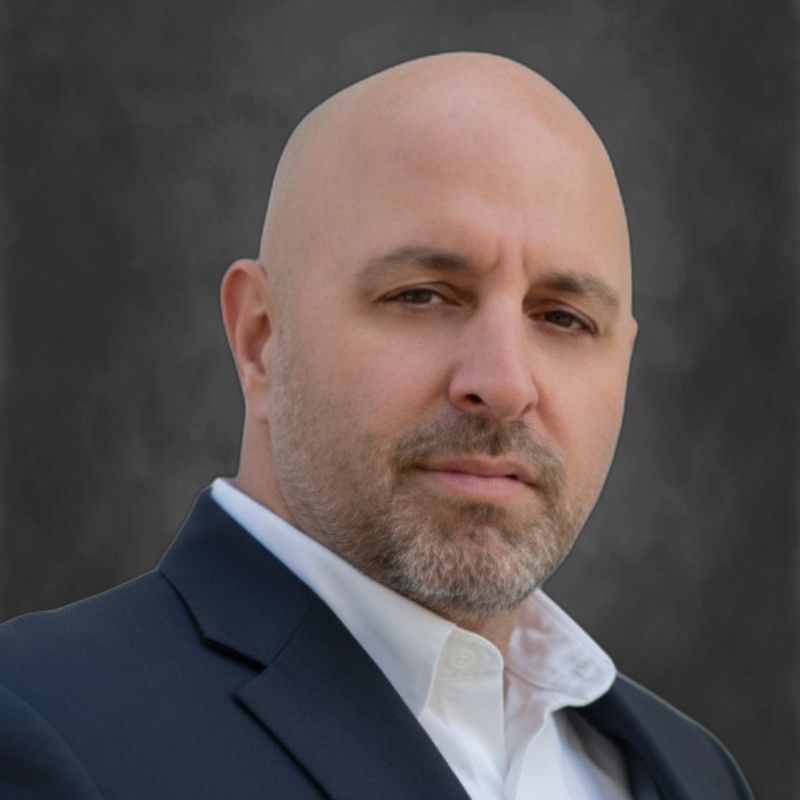
CEO/Co-Founder @ Oatmeal Health | AI Lung Cancer Screening | Almost Became a Doctor | Engineer | Follow to Share What I’ve Learned Along the Way
I help patients get the care they need earlier, preventing late-stage cancer.
That’s been the throughline across three companies and almost 20 years in healthcare. At ReferralMD, we fixed broken referral networks so patients didn’t fall through the cracks. At Oatmeal Health, it’s lung cancer: building the diagnostic and screening infrastructure so the 85% of cases caught too late get caught early instead.
Today as CEO of Oatmeal Health, I lead a team embedding AI into radiology workflows to turn routine lung CT scans into reimbursable cancer risk assessments. We partner with FQHCs to reach underserved communities, and with health systems and payers to make early detection economically sustainable. Think HeartFlow or Cleerly, but for lungs.
Between companies, I advised at Techstars and Plug and Play, mentoring founders building in digital health. That experience shaped how I think about what separates companies that ship from companies that stall: distribution, reimbursement, and clinical trust, not just technology.
I’m a CancerX alumnus, a 3x healthcare founder, and someone who believes the biggest problems in cancer aren’t scientific. They’re operational.
We’re hiring mission-driven builders at Oatmeal Health. If you want to work on something that matters, reach out.
When I’m not working, I’m traveling, mentoring, and keeping up with one very energetic husky. 🐾
Substack – The Oatmeal Bite:
Millions of patients get less care because of who they are, where they live, or how they look. I’m fighting to change that. CEO @OatmealHealth, a startup built for the underserved. The Oatmeal Bite: intel for clinicians, investors, and advocates.
Jonathan Govette
CEO of Oatmeal Health
Substack:
https://oatmealhealthjonathangovette.substack.com/