
Find who to screen.
Know which lung nodules matter.
Find patients who qualify for lung screening, even when pack-year history is missing from the chart. Then give your radiologists a cancer risk score for every lung nodule, inside the viewer they already use.
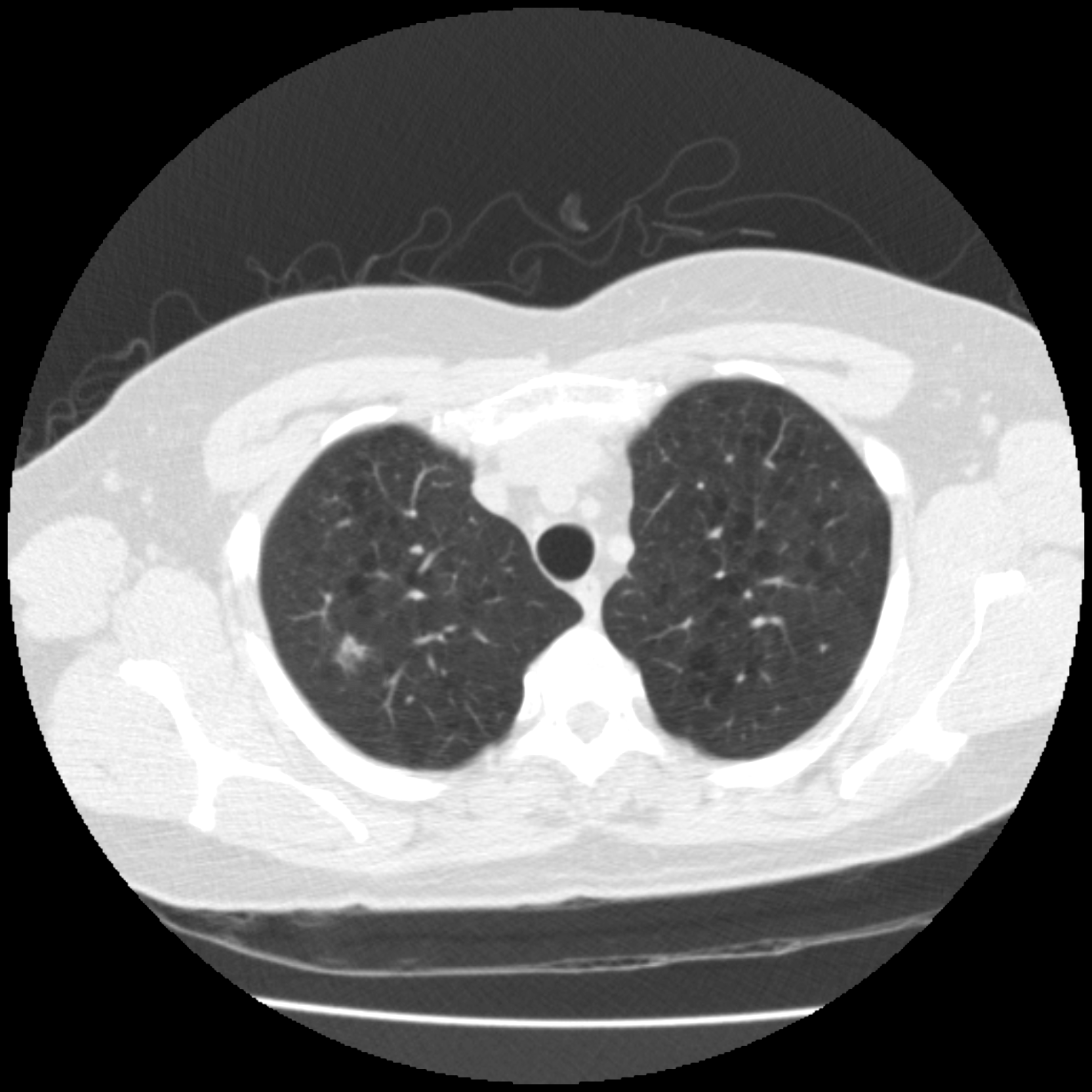
11.7 mm
About as many as breast, prostate, and colorectal cancers combined. Most are found too late because the system never looked.
Diagnosed after the cancer has spread. Once it reaches distant organs, five-year survival is about 10%Lung cancer is now more common in women than men under 65.
Survival rate when caught early at Stage I or II
Americans qualify for yearly lung cancer screeningThe 2021 guidelines widened eligibility most for Black (+70%) and Hispanic (+67%) adults and for women (+61%).
Screened in underserved FQHC communities, where the gap is widestEven when eligible, Black adults are screened less often than White adults.
Sources: ACS Cancer Facts 2024, ACS Cancer Statistics 2025, USPSTF 2021, NLST, NCI SEER, JAMA Netw Open 2021 (Kaiser Permanente), J Gen Intern Med 2022






One platform. Three partners.
Every patient found.
Lung cancer screening fails because the system is fragmented. FQHCs have the patients. Hospitals have the scanners. Payers have the incentive. We connect all three.
- LungIQ 0.96 AUROC patient identification
- 9x faster than manual chart review
- Eligible patients referred to partner imaging centers
- Finds smoking history buried in free text notes

- LungIQ Identify eligible patients in your own system too
- LungAI Cancer risk score, 0 to 10, per nodule
- Score appears in the viewer radiologists already use
- Fewer missed cancers. Fewer unnecessary biopsies.

- No new coverage policy or billing model required
- Focused on finding cancer at earlier stages
- HEDIS lung screening measure expected (NCQA)
- Outcomes model built with your actuaries

Ready to close the lung cancer screening gap?
Whether you are an FQHC, health system, or health plan, we have a program built for you.
Get started