Share this article and save a life!
AI chatbots just became healthcare’s biggest tech threat.
ECRI’s 2026 Health Technology Hazards report dropped yesterday, and the top risk isn’t what you’d expect.
It’s not cyberattacks. Not equipment failures. Not data breaches.
It’s AI chatbots giving medical advice. 🤖
Here’s what’s happening: 16% of Americans already turn to ChatGPT and similar tools for health information. They’re asking about symptoms, medications, diagnoses.
The problem? These large language models predict patterns, they don’t understand medicine. They hallucinate facts. They miss critical context. They can’t distinguish between a headache and something serious.
What makes this especially dangerous:
• Chatbots sound confident even when wrong
• Patients skip real medical care
• Biased training data creates health disparities
• No accountability when things go wrong
Meanwhile, federal AI regulations remain limited. States are scrambling to create patchwork laws. Healthcare organizations are caught between innovation pressure and patient safety.
The irony? While we worry about sophisticated AI threats, the biggest danger is people asking basic health questions to tools that weren’t built for healthcare.
This isn’t about stopping AI adoption. It’s about being honest about limitations.
Every health system rushing to deploy AI needs to ask: Are we creating solutions or creating new problems?
Because when a chatbot tells someone their chest pain is just anxiety, who’s responsible for what happens next?
The technology isn’t the problem. Our expectations are.
♻️ Repost if AI in healthcare needs guardrails before growth
👉 Follow me, Jonathan Govette, for daily, real-time updates on healthcare technology and business news. LinkedIn Profile: https://www.linkedin.com/in/jonathangovette/
Share this article and save a life!
Author:
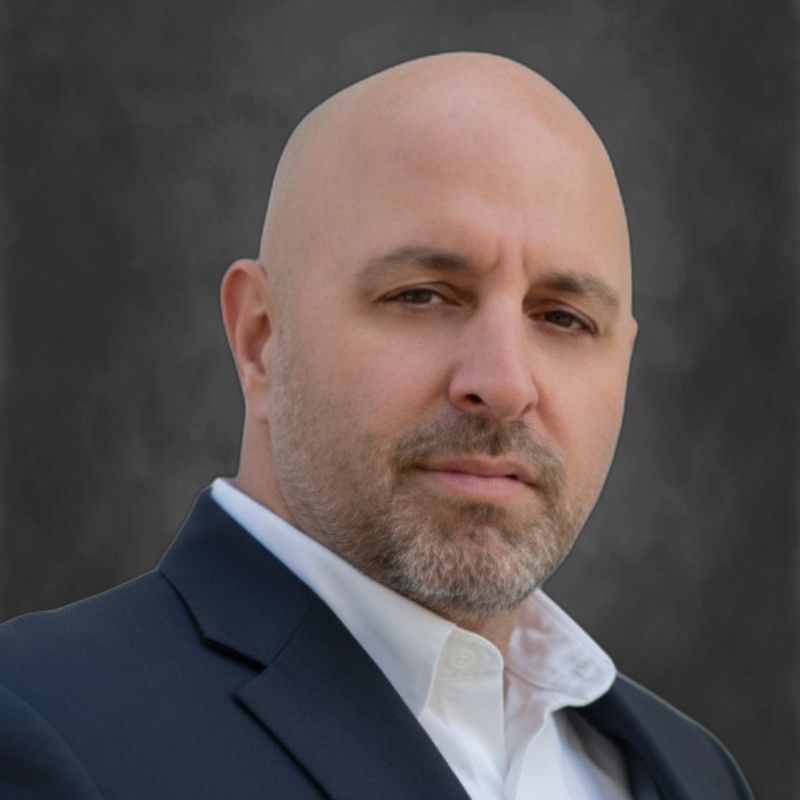
CEO/Co-Founder @ Oatmeal Health | AI Lung Cancer Screening | Almost Became a Doctor | Engineer | Follow to Share What I’ve Learned Along the Way
I help patients get the care they need earlier, preventing late-stage cancer.
That’s been the throughline across three companies and almost 20 years in healthcare. At ReferralMD, we fixed broken referral networks so patients didn’t fall through the cracks. At Oatmeal Health, it’s lung cancer: building the diagnostic and screening infrastructure so the 85% of cases caught too late get caught early instead.
Today as CEO of Oatmeal Health, I lead a team embedding AI into radiology workflows to turn routine lung CT scans into reimbursable cancer risk assessments. We partner with FQHCs to reach underserved communities, and with health systems and payers to make early detection economically sustainable. Think HeartFlow or Cleerly, but for lungs.
Between companies, I advised at Techstars and Plug and Play, mentoring founders building in digital health. That experience shaped how I think about what separates companies that ship from companies that stall: distribution, reimbursement, and clinical trust, not just technology.
I’m a CancerX alumnus, a 3x healthcare founder, and someone who believes the biggest problems in cancer aren’t scientific. They’re operational.
We’re hiring mission-driven builders at Oatmeal Health. If you want to work on something that matters, reach out.
When I’m not working, I’m traveling, mentoring, and keeping up with one very energetic husky. 🐾
Substack – The Oatmeal Bite:
Millions of patients get less care because of who they are, where they live, or how they look. I’m fighting to change that. CEO @OatmealHealth, a startup built for the underserved. The Oatmeal Bite: intel for clinicians, investors, and advocates.
Jonathan Govette
CEO of Oatmeal Health
Substack:
https://oatmealhealthjonathangovette.substack.com/