Share this article and save a life!
The gloves are off in radiology’s AI debate.
NYC Health + Hospitals CEO Mitchell Katz doubled down this week: “We’re ready to replace radiologists with AI for initial reads, especially breast cancer screening. The cost savings are massive.”
But wait.
ARRS radiology chief fired back on April 14th, calling this vision dangerous. “AI hallucinates X-ray findings without even seeing images,” she warned.
Here’s what’s actually happening:
• GE HealthCare just launched AI that cuts MRI exam times by 50%
• Stanford experts say AI identifies workflow inefficiencies radiologists miss
• Research shows AI improves accuracy when paired WITH radiologists, not replacing them
The real tension? Hospital administrators see dollar signs. A radiologist costs $400K+ annually. AI software? A fraction of that.
But Christine Glastonbury, new ARRS president, makes a critical point: “Radiologists need to embrace AI with actual intelligence to shape its role.”
Think about this: Would you want your cancer diagnosis made solely by an algorithm that sometimes sees tumors that don’t exist?
The answer isn’t replacement. It’s collaboration.
Smart hospitals are using AI to enhance radiologist capabilities, not eliminate them. Faster scans, better accuracy, reduced burnout, that’s the win.
CEOs chasing cost cuts might save money short term. But when AI misses that subtle finding only human expertise catches? That lawsuit will cost far more than any salary saved.
The future of radiology isn’t human vs machine.
It’s human WITH machine. 🤝
♻️ Repost if radiologists deserve a seat at the AI implementation table
👉 Follow me, Jonathan Govette, for daily, real-time updates on healthcare technology and business news. LinkedIn Profile: https://www.linkedin.com/in/jonathangovette/
Share this article and save a life!
Author:
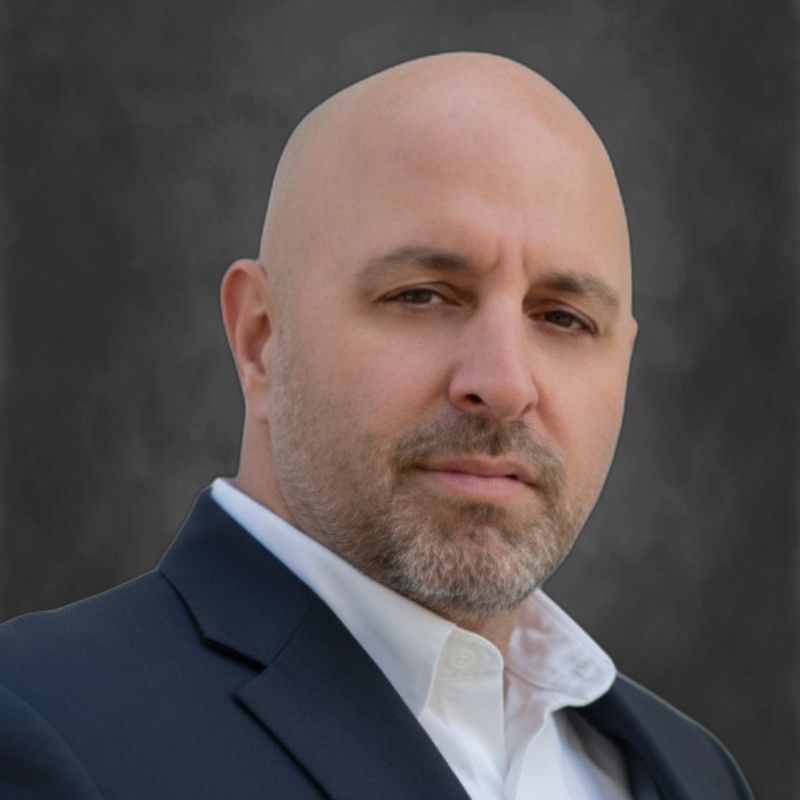
CEO/Co-Founder @ Oatmeal Health | AI Lung Cancer Screening | Almost Became a Doctor | Engineer | Follow to Share What I’ve Learned Along the Way
I help patients get the care they need earlier, preventing late-stage cancer.
That’s been the throughline across three companies and almost 20 years in healthcare. At ReferralMD, we fixed broken referral networks so patients didn’t fall through the cracks. At Oatmeal Health, it’s lung cancer: building the diagnostic and screening infrastructure so the 85% of cases caught too late get caught early instead.
Today as CEO of Oatmeal Health, I lead a team embedding AI into radiology workflows to turn routine lung CT scans into reimbursable cancer risk assessments. We partner with FQHCs to reach underserved communities, and with health systems and payers to make early detection economically sustainable. Think HeartFlow or Cleerly, but for lungs.
Between companies, I advised at Techstars and Plug and Play, mentoring founders building in digital health. That experience shaped how I think about what separates companies that ship from companies that stall: distribution, reimbursement, and clinical trust, not just technology.
I’m a CancerX alumnus, a 3x healthcare founder, and someone who believes the biggest problems in cancer aren’t scientific. They’re operational.
We’re hiring mission-driven builders at Oatmeal Health. If you want to work on something that matters, reach out.
When I’m not working, I’m traveling, mentoring, and keeping up with one very energetic husky. 🐾
Substack – The Oatmeal Bite:
Millions of patients get less care because of who they are, where they live, or how they look. I’m fighting to change that. CEO @OatmealHealth, a startup built for the underserved. The Oatmeal Bite: intel for clinicians, investors, and advocates.
Jonathan Govette
CEO of Oatmeal Health
Substack:
https://oatmealhealthjonathangovette.substack.com/