Share this article and save a life!
175,000 women just proved AI catches cancers doctors miss.
Imperial College London dropped game-changing results this week.
Their NHS study with Google AI didn’t just match radiologists, it surpassed them:
• Detected 25% of interval cancers humans missed
• Found more invasive cancers overall
• Cut false positives (fewer unnecessary callbacks)
• Reduced reading time by nearly a third
Think about that. One in four cancers that would have grown undetected until the next screening, now caught early.
But here’s what struck me most:
In Scotland, the Mia AI system found a tiny aggressive tumor in a patient that two experienced radiologists completely missed. That’s not replacing doctors, that’s saving lives they couldn’t save alone.
The numbers are staggering across multiple NHS trials:
• NHS Grampian: 10.4% detection boost
• Reading time cut: 31%
• Detection rate jump: 7.54 to 9.33 per 1,000 women
We’re witnessing the biggest shift in cancer screening since digital mammography.
📊 The NHS EDITH trial is now testing 5 AI systems across 30 sites, screening 700,000+ women. This isn’t pilot phase anymore, this is transformation at scale.
For imaging centers and FQHCs struggling with radiologist shortages, this changes everything. AI as your second reader means faster results, fewer burnouts, better outcomes.
The question isn’t whether to adopt AI anymore.
It’s how fast you can implement it before your competitors do.
♻️ Repost if catching cancer 3 days vs 14 days matters
👉 Follow me, Jonathan Govette, for daily, real-time updates on healthcare technology and business news. LinkedIn Profile: https://www.linkedin.com/in/jonathangovette/
Share this article and save a life!
Author:
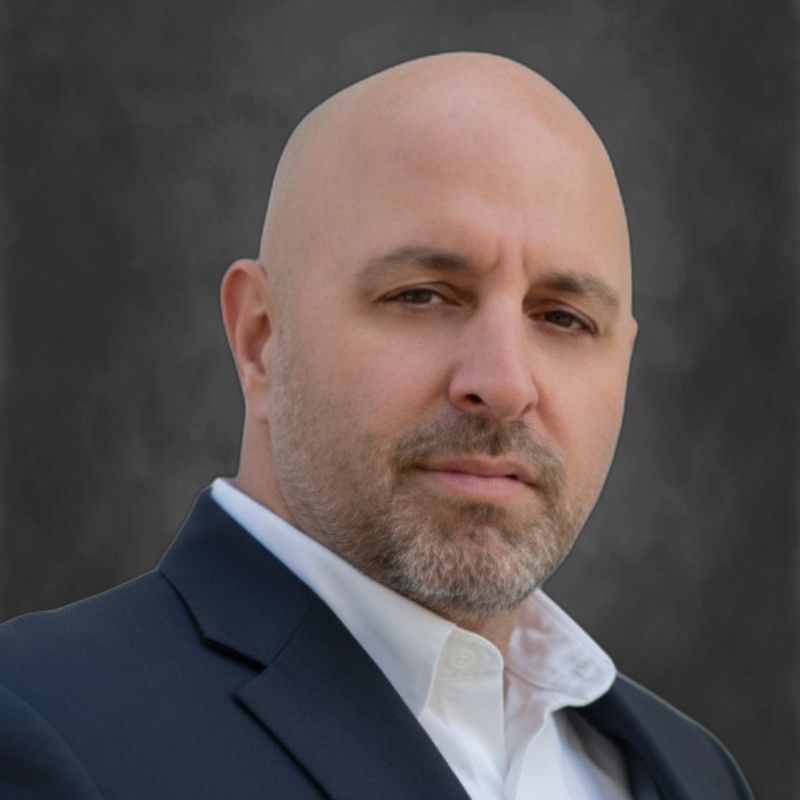
CEO/Co-Founder @ Oatmeal Health | AI Lung Cancer Screening | Almost Became a Doctor | Engineer | Follow to Share What I’ve Learned Along the Way
I help patients get the care they need earlier, preventing late-stage cancer.
That’s been the throughline across three companies and almost 20 years in healthcare. At ReferralMD, we fixed broken referral networks so patients didn’t fall through the cracks. At Oatmeal Health, it’s lung cancer: building the diagnostic and screening infrastructure so the 85% of cases caught too late get caught early instead.
Today as CEO of Oatmeal Health, I lead a team embedding AI into radiology workflows to turn routine lung CT scans into reimbursable cancer risk assessments. We partner with FQHCs to reach underserved communities, and with health systems and payers to make early detection economically sustainable. Think HeartFlow or Cleerly, but for lungs.
Between companies, I advised at Techstars and Plug and Play, mentoring founders building in digital health. That experience shaped how I think about what separates companies that ship from companies that stall: distribution, reimbursement, and clinical trust, not just technology.
I’m a CancerX alumnus, a 3x healthcare founder, and someone who believes the biggest problems in cancer aren’t scientific. They’re operational.
We’re hiring mission-driven builders at Oatmeal Health. If you want to work on something that matters, reach out.
When I’m not working, I’m traveling, mentoring, and keeping up with one very energetic husky. 🐾
Substack – The Oatmeal Bite:
Millions of patients get less care because of who they are, where they live, or how they look. I’m fighting to change that. CEO @OatmealHealth, a startup built for the underserved. The Oatmeal Bite: intel for clinicians, investors, and advocates.
Jonathan Govette
CEO of Oatmeal Health
Substack:
https://oatmealhealthjonathangovette.substack.com/