Share this article and save a life!
FDA just said ‘no’ to fast-tracking AI radiology tools.
And radiologists everywhere should be paying attention.
Yesterday, the FDA rejected a manufacturer’s petition to exempt certain AI radiology tools from the 510(k) premarket clearance process. The proposal would have let AI computer-aided detection devices skip independent safety reviews if they met basic monitoring requirements.
The medical community pushed back hard:
• RSNA warned it would expose patients to “avoidable risk”
• ACR demanded patient safety remain the priority
• AHA highlighted unique AI risks: bias, hallucinations, model drift
Here’s what makes this decision fascinating:
We’re in an administration that promised deregulation. Yet the FDA is doubling down on oversight.
Why? Because AI in radiology isn’t like traditional software.
The same AI model can behave differently across hospitals, patient populations, and imaging protocols, even without updates. A JAMA analysis found that fewer than one-third of FDA-approved radiology AI tools underwent clinical testing. Even fewer were tested in real clinical settings.
Think about that: We’re using AI to detect cancers, strokes, and heart disease with limited real-world validation.
The FDA’s message is clear: Innovation without validation is experimentation on patients.
But here’s the paradox: 54% of radiology AI renewals happen because they improve radiologist quality of life, not because of proven ROI. We’re buying these tools for efficiency, not necessarily effectiveness.
This rejection isn’t about stopping innovation. It’s about ensuring the AI revolution in radiology doesn’t become a patient safety crisis.
The real question: Can we build trust in AI diagnostics while maintaining the speed of innovation?
What’s your take: Is the FDA protecting patients or slowing progress?
♻️ Repost if AI in healthcare needs rigorous safety standards
👉 Follow me, Jonathan Govette, for daily, real-time updates on healthcare technology and business news. LinkedIn Profile: https://www.linkedin.com/in/jonathangovette/
Share this article and save a life!
Author:
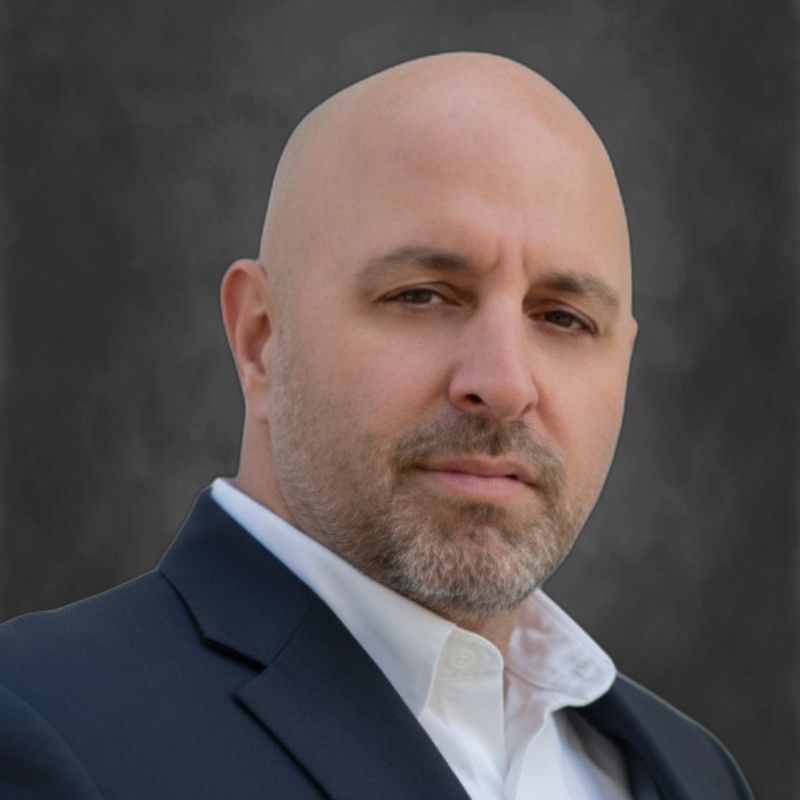
CEO/Co-Founder @ Oatmeal Health | AI Lung Cancer Screening | Almost Became a Doctor | Engineer | Follow to Share What I’ve Learned Along the Way
I help patients get the care they need earlier, preventing late-stage cancer.
That’s been the throughline across three companies and almost 20 years in healthcare. At ReferralMD, we fixed broken referral networks so patients didn’t fall through the cracks. At Oatmeal Health, it’s lung cancer: building the diagnostic and screening infrastructure so the 85% of cases caught too late get caught early instead.
Today as CEO of Oatmeal Health, I lead a team embedding AI into radiology workflows to turn routine lung CT scans into reimbursable cancer risk assessments. We partner with FQHCs to reach underserved communities, and with health systems and payers to make early detection economically sustainable. Think HeartFlow or Cleerly, but for lungs.
Between companies, I advised at Techstars and Plug and Play, mentoring founders building in digital health. That experience shaped how I think about what separates companies that ship from companies that stall: distribution, reimbursement, and clinical trust, not just technology.
I’m a CancerX alumnus, a 3x healthcare founder, and someone who believes the biggest problems in cancer aren’t scientific. They’re operational.
We’re hiring mission-driven builders at Oatmeal Health. If you want to work on something that matters, reach out.
When I’m not working, I’m traveling, mentoring, and keeping up with one very energetic husky. 🐾
Substack – The Oatmeal Bite:
Millions of patients get less care because of who they are, where they live, or how they look. I’m fighting to change that. CEO @OatmealHealth, a startup built for the underserved. The Oatmeal Bite: intel for clinicians, investors, and advocates.
Jonathan Govette
CEO of Oatmeal Health
Substack:
https://oatmealhealthjonathangovette.substack.com/