Share this article and save a life!
What if AI could catch the lung cancer your doctor missed?
New data from ARRS 2026 just stopped me in my tracks.
An FDA-cleared AI tool called qXR-LN improved detection of missed lung nodules on chest X-rays by 26.7%.
Think about that for a second.
More than 1 in 4 potentially cancerous nodules that human eyes missed, caught by AI.
The stakes couldn’t be higher:
• Early detection: 56% five-year survival rate
• Late detection: 5% five-year survival rate
That’s not a typo. It’s the difference between planning your future and planning your funeral.
Here’s what really struck me about the study:
73% of the missed nodules were in the upper lobes, the areas radiologists know are most challenging to read. The AI didn’t get tired. Didn’t get distracted. Didn’t have a bad day.
It just caught what humans missed.
💡 This isn’t about replacing radiologists. It’s about giving them superpowers.
As one researcher put it: “AI serves as a safety net, a second set of eyes.”
But here’s my question:
If we have technology that can catch 26.7% more lung cancers early, why isn’t every chest X-ray in America being double-checked by AI right now?
Is it regulatory barriers? Cost? Resistance to change?
Because while we debate, people are walking around with undetected lung nodules that could be treated today but might be terminal tomorrow.
The technology exists. The FDA has cleared it. The evidence is mounting.
What are we waiting for?
♻️ Repost if every chest X-ray deserves an AI second opinion
👉 Follow me, Jonathan Govette, for daily, real-time updates on healthcare technology and business news. LinkedIn Profile: https://www.linkedin.com/in/jonathangovette/
Share this article and save a life!
Author:
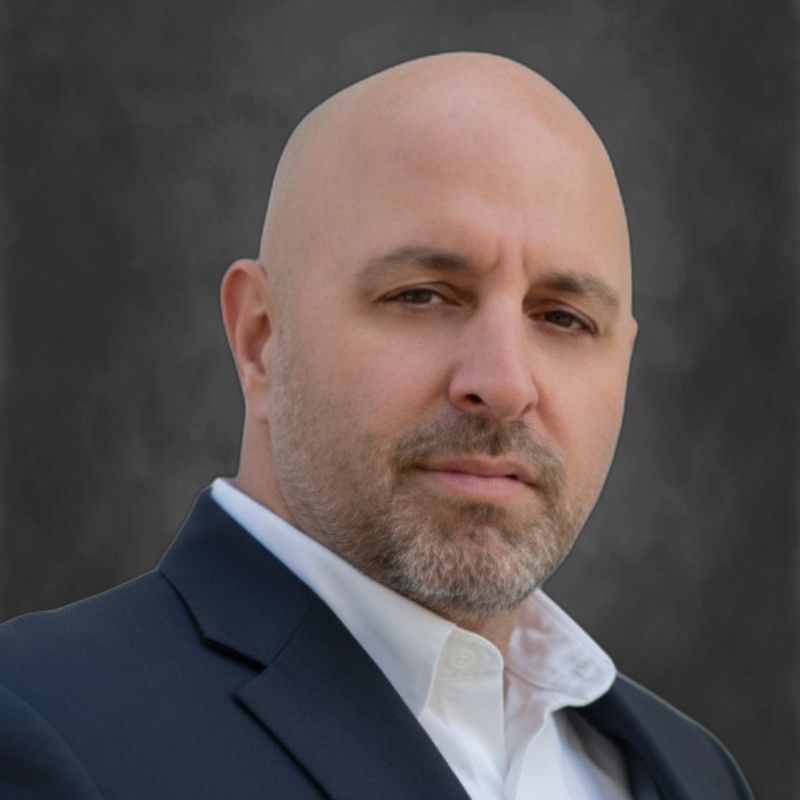
CEO/Co-Founder @ Oatmeal Health | AI Lung Cancer Screening | Almost Became a Doctor | Engineer | Follow to Share What I’ve Learned Along the Way
I help patients get the care they need earlier, preventing late-stage cancer.
That’s been the throughline across three companies and almost 20 years in healthcare. At ReferralMD, we fixed broken referral networks so patients didn’t fall through the cracks. At Oatmeal Health, it’s lung cancer: building the diagnostic and screening infrastructure so the 85% of cases caught too late get caught early instead.
Today as CEO of Oatmeal Health, I lead a team embedding AI into radiology workflows to turn routine lung CT scans into reimbursable cancer risk assessments. We partner with FQHCs to reach underserved communities, and with health systems and payers to make early detection economically sustainable. Think HeartFlow or Cleerly, but for lungs.
Between companies, I advised at Techstars and Plug and Play, mentoring founders building in digital health. That experience shaped how I think about what separates companies that ship from companies that stall: distribution, reimbursement, and clinical trust, not just technology.
I’m a CancerX alumnus, a 3x healthcare founder, and someone who believes the biggest problems in cancer aren’t scientific. They’re operational.
We’re hiring mission-driven builders at Oatmeal Health. If you want to work on something that matters, reach out.
When I’m not working, I’m traveling, mentoring, and keeping up with one very energetic husky. 🐾
Substack – The Oatmeal Bite:
Millions of patients get less care because of who they are, where they live, or how they look. I’m fighting to change that. CEO @OatmealHealth, a startup built for the underserved. The Oatmeal Bite: intel for clinicians, investors, and advocates.
Jonathan Govette
CEO of Oatmeal Health
Substack:
https://oatmealhealthjonathangovette.substack.com/