Share this article and save a life!
The Medicaid funding trick 49 states use is on the chopping block.
And almost nobody outside of state budget offices is talking about it.
Here is what is happening.
Most states fund their share of Medicaid by assessing a tax on hospitals and other providers. Those providers pay the tax, the state uses that money to draw down a larger federal Medicaid match, and then it redistributes a portion back to providers through higher reimbursement rates. It is a legal, CMS-approved financing mechanism used in 49 of 50 states.
The House reconciliation bill passed on May 22 includes provisions that would significantly restrict these provider tax arrangements. Depending on how the Senate interprets and amends the language, states could lose tens of billions in annual Medicaid financing.
KFF estimates that provider taxes generate over $40 billion per year in additional federal Medicaid matching funds nationally. That is not a rounding error. That is the backbone of how many states keep their Medicaid programs solvent.
Who gets hurt first?
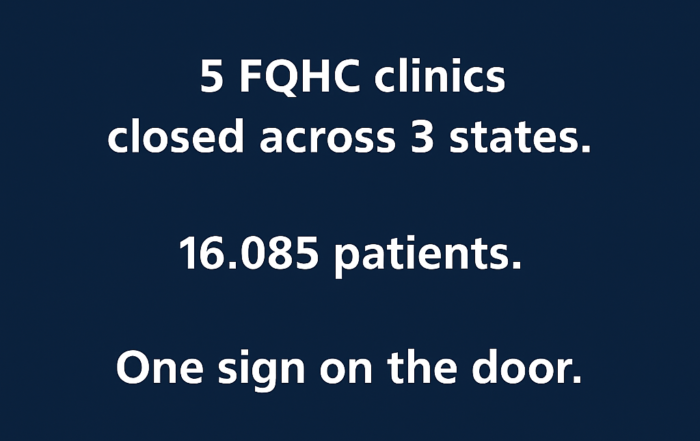
FQHCs and community health centers, which depend on Medicaid for 40 to 50 percent of their revenue on average, would see rate cuts as states scramble to balance their budgets. Safety-net hospitals, many already operating on thin margins after the DSH cut proposals in the same bill, would face a double hit. Rural hospitals with high Medicaid patient volumes would be the most exposed.
This is not a theoretical risk.
When states have faced Medicaid financing shortfalls in the past, the first levers they pull are provider rate reductions and optional benefit cuts. Low-income adults, people with disabilities, and children in underserved communities absorb those cuts directly.
🔍 The political challenge is that provider taxes are complicated. They are hard to explain in a soundbite. And that makes them easy to target in budget negotiations without triggering the same public response as, say, cutting children off Medicaid rolls directly.
But the downstream impact is the same.
For health system leaders, FQHC executives, and imaging center operators, this is the Medicaid story to watch as the Senate takes up the reconciliation bill this summer. A rate environment that drops 10 to 15 percent in a state that restricts provider taxes will change your financial model overnight.
The question no one is asking loudly enough: If 49 states have built their Medicaid programs around this financing tool, what happens to access when the tool disappears?
♻️ Repost if Medicaid financing changes should never be buried in a reconciliation bill footnote.
👉 Follow me for daily healthcare updates and get the deeper analysis in my free newsletter → https://oatmealhealthhttps://oatmealhealthjonathangovette.substack.com//
Share this article and save a life!
Author:
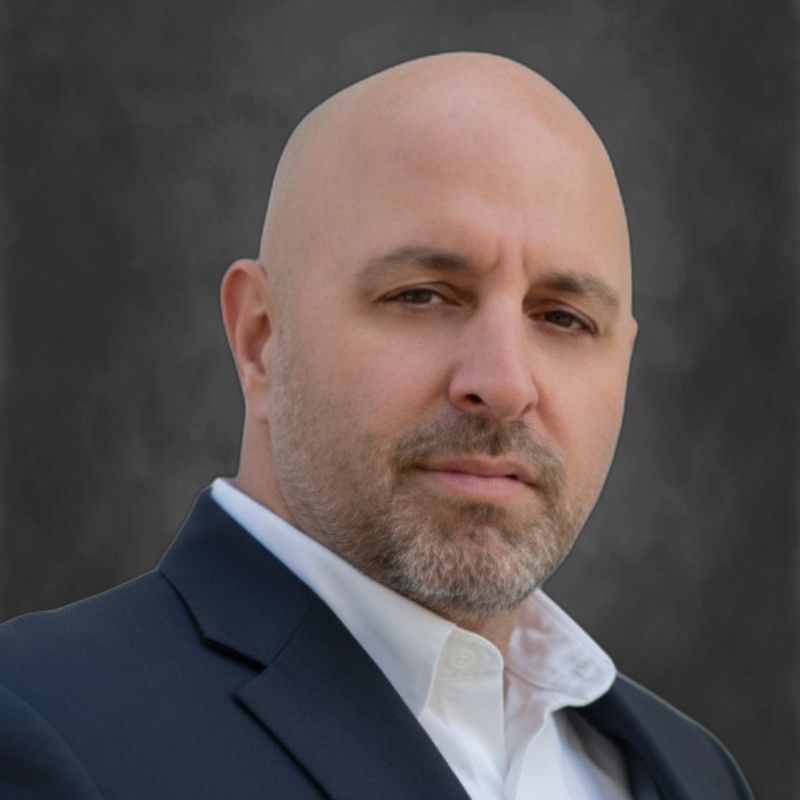
CEO/Co-Founder @ Oatmeal Health | AI Lung Cancer Screening | Almost Became a Doctor | Engineer | Follow to Share What I’ve Learned Along the Way
I help patients get the care they need earlier, preventing late-stage cancer.
That’s been the throughline across three companies and almost 20 years in healthcare. At ReferralMD, we fixed broken referral networks so patients didn’t fall through the cracks. At Oatmeal Health, it’s lung cancer: building the diagnostic and screening infrastructure so the 85% of cases caught too late get caught early instead.
Today as CEO of Oatmeal Health, I lead a team embedding AI into radiology workflows to turn routine lung CT scans into reimbursable cancer risk assessments. We partner with FQHCs to reach underserved communities, and with health systems and payers to make early detection economically sustainable. Think HeartFlow or Cleerly, but for lungs.
Between companies, I advised at Techstars and Plug and Play, mentoring founders building in digital health. That experience shaped how I think about what separates companies that ship from companies that stall: distribution, reimbursement, and clinical trust, not just technology.
I’m a CancerX alumnus, a 3x healthcare founder, and someone who believes the biggest problems in cancer aren’t scientific. They’re operational.
We’re hiring mission-driven builders at Oatmeal Health. If you want to work on something that matters, reach out.
When I’m not working, I’m traveling, mentoring, and keeping up with one very energetic husky. 🐾
Substack – The Oatmeal Bite:
Millions of patients get less care because of who they are, where they live, or how they look. I’m fighting to change that. CEO @OatmealHealth, a startup built for the underserved. The Oatmeal Bite: intel for clinicians, investors, and advocates.
Jonathan Govette
CEO of Oatmeal Health
Substack:
https://oatmealhealthjonathangovette.substack.com/