Share this article and save a life!
Everyone is blaming politics for the ACA hikes. They’re missing the point. 🔥
Yes, the expiration of enhanced premium tax credits made things worse. But that is not the root cause of what is happening to American health insurance right now.
According to The Texas Dispatch, health insurers selling individual coverage on the ACA marketplace are asking for a median premium increase of 15% for 2027, based on a Peterson-KFF Health System Tracker analysis of 276 insurers across all 50 states and the District of Columbia. This would be the second consecutive year of double-digit increases.
Let that land for a second.
📌 Here is what the numbers actually show:
– Last year, insurers proposed a median 18% increase. Regulators approved a median of 20%.
– This year’s requests range from a 1% cut to a 54% increase.
– 51 insurers are asking for more than 25%.
– Peterson-KFF calculates that typical marketplace premiums will have jumped by more than one-third in just two years.
But here is the number that tells the real story: medical costs are rising at a median 10% for 2027, above the 8% pace of recent years. Hospital stays. Physician visits. Prescription drugs. GLP-1s. The actual cost of care is the engine.
The subsidy expiration is real. KFF says it pushed average premium payments up 58% this year and drove about 3 million people off the marketplace nationally. When healthier people leave, the remaining risk pool is sicker, and insurers price for it. That spiral is already in motion.
But subsidies ending did not cause hospital prices to keep climbing. They did not cause labor shortages driving up provider reimbursements. They did not cause more intensive billing. Those are structural problems.
⚖️ The counterpoint is that if we restore the enhanced tax credits, millions of people get covered again and the risk pool improves. That is true. I am not arguing against subsidies.
What I am arguing is this: subsidies are a patch on a broken pricing system. We can argue about the patch forever. Nobody in Washington is seriously talking about fixing the system underneath.
And while we fight about the patch, the number of Texans who actually paid for and kept their marketplace plans fell from 3.42 million in 2025 to 3.28 million this year. The first decline since 2019. That is not an abstraction. Those are real people who did the math and decided they could not afford it.
If you are in benefits, policy, or health system strategy and you are watching these filings, save this breakdown. You will need it the next time someone in your meeting says this is just a political problem with a political solution.
The hard truth is that we built a system where the underlying cost of care rises faster than wages, year after year, and we have decided that managing access to that system is good enough. It is not.
Premiums are not the disease. They are the fever.
👉 Follow Jonathan Govette, CEO of Oatmeal Health, for daily healthcare insights on LinkedIn. Deeper dives in The Oatmeal Bite on Substack: https://news.oatmealhealth.com
Share this article and save a life!
Author:
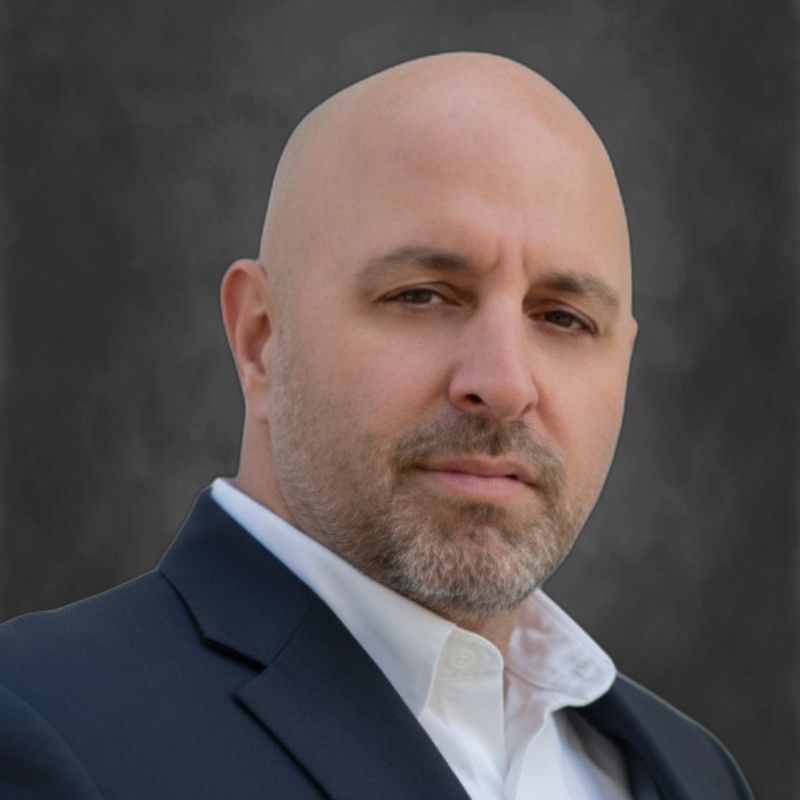
CEO/Co-Founder @ Oatmeal Health | AI Lung Cancer Screening | Almost Became a Doctor | Engineer | Follow to Share What I’ve Learned Along the Way
I help patients get the care they need earlier, preventing late-stage cancer.
That’s been the throughline across three companies and almost 20 years in healthcare. At ReferralMD, we fixed broken referral networks so patients didn’t fall through the cracks. At Oatmeal Health, it’s lung cancer: building the diagnostic and screening infrastructure so the 85% of cases caught too late get caught early instead.
Today as CEO of Oatmeal Health, I lead a team embedding AI into radiology workflows to turn routine lung CT scans into reimbursable cancer risk assessments. We partner with FQHCs to reach underserved communities, and with health systems and payers to make early detection economically sustainable. Think HeartFlow or Cleerly, but for lungs.
Between companies, I advised at Techstars and Plug and Play, mentoring founders building in digital health. That experience shaped how I think about what separates companies that ship from companies that stall: distribution, reimbursement, and clinical trust, not just technology.
I’m a CancerX alumnus, a 3x healthcare founder, and someone who believes the biggest problems in cancer aren’t scientific. They’re operational.
We’re hiring mission-driven builders at Oatmeal Health. If you want to work on something that matters, reach out.
When I’m not working, I’m traveling, mentoring, and keeping up with one very energetic husky. 🐾
Substack – The Oatmeal Bite:
Millions of patients get less care because of who they are, where they live, or how they look. I’m fighting to change that. CEO @OatmealHealth, a startup built for the underserved. The Oatmeal Bite: intel for clinicians, investors, and advocates.
Jonathan Govette
CEO of Oatmeal Health
Substack:
https://oatmealhealthjonathangovette.substack.com/