Share this article and save a life!
Rural hospitals are finally getting radiologists. Just not human ones.
Across the United States, roughly 60 million people live in rural communities where access to a radiologist on staff is nearly impossible. Recruiting is brutal. Retention is worse. And when a patient rolls in with a possible stroke or a suspicious lung nodule at 2am, the wait for a read can stretch into hours or even days.
That is changing fast in 2026.
AI-powered teleradiology and diagnostic imaging platforms are being deployed at critical access hospitals at an accelerating pace this year. These tools are not replacing radiologists outright. They are doing something arguably more important: filling the gap in places where no radiologist was ever coming.
Here is what that looks like in practice.
A small 25-bed critical access hospital in a frontier state can now receive a flagged AI read on a chest CT within minutes of the scan completing. The AI highlights findings, triages urgency, and routes the case to a remote radiologist for final sign-off. What used to take 6 to 12 hours can now happen in under 30 minutes.
For stroke detection, that difference is measured in brain cells. For early-stage lung cancer, it can mean the difference between Stage 1 and Stage 3.
The economics are also shifting. Many of these AI diagnostic platforms operate on a per-scan or subscription model that is affordable even for small hospitals with thin margins. Capital expenditures are minimal compared to hiring even a part-time radiologist. And the liability model is evolving to support AI-assisted reads in ways that give hospital administrators more confidence to adopt.
But here is the tension no one talks about enough.
Deploying AI in a rural critical access hospital is not plug-and-play. Connectivity is still a real barrier. EHR integration in older facilities can be messy. And staff training to trust and act on AI-flagged findings requires a culture shift that does not happen overnight.
The hospitals that are succeeding are the ones treating AI as an operational tool, not a magic fix. They are pairing these platforms with clear protocols, ongoing staff education, and transparent quality monitoring.
The opportunity here is enormous. There are over 1,300 critical access hospitals in the United States. If even half of them adopt AI-assisted diagnostic reads in the next three years, millions of patients in underserved communities gain access to faster, more accurate diagnoses without ever leaving their county.
That is not a technology story. That is a health equity story.
♻️ Repost if every rural patient deserves the same diagnostic speed as someone in a major city hospital.
👉 Follow me for daily, real-time updates on healthcare technology and business news.
Share this article and save a life!
Author:
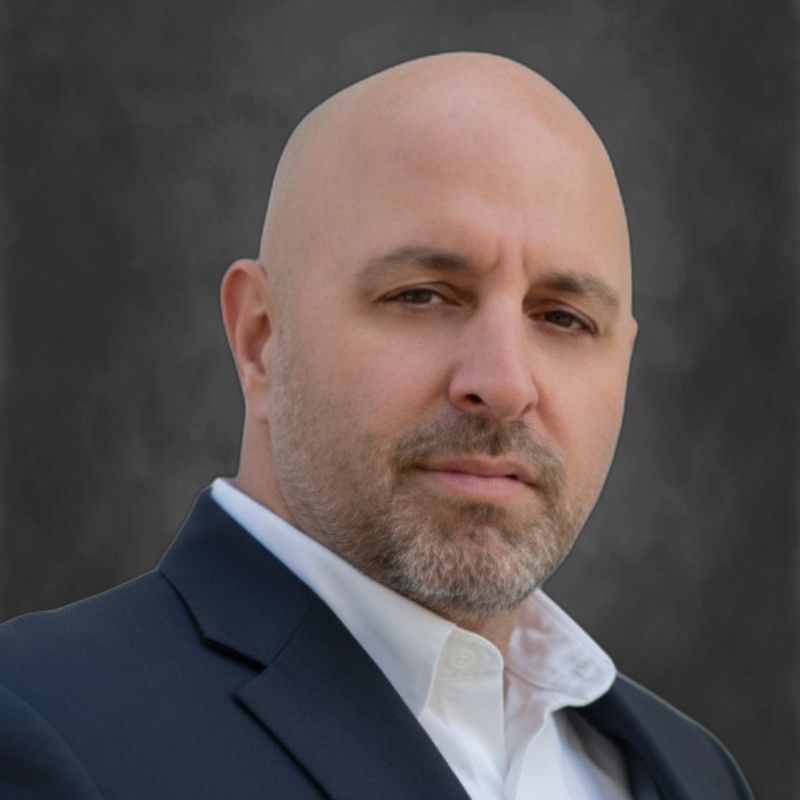
CEO/Co-Founder @ Oatmeal Health | AI Lung Cancer Screening | Almost Became a Doctor | Engineer | Follow to Share What I’ve Learned Along the Way
I help patients get the care they need earlier, preventing late-stage cancer.
That’s been the throughline across three companies and almost 20 years in healthcare. At ReferralMD, we fixed broken referral networks so patients didn’t fall through the cracks. At Oatmeal Health, it’s lung cancer: building the diagnostic and screening infrastructure so the 85% of cases caught too late get caught early instead.
Today as CEO of Oatmeal Health, I lead a team embedding AI into radiology workflows to turn routine lung CT scans into reimbursable cancer risk assessments. We partner with FQHCs to reach underserved communities, and with health systems and payers to make early detection economically sustainable. Think HeartFlow or Cleerly, but for lungs.
Between companies, I advised at Techstars and Plug and Play, mentoring founders building in digital health. That experience shaped how I think about what separates companies that ship from companies that stall: distribution, reimbursement, and clinical trust, not just technology.
I’m a CancerX alumnus, a 3x healthcare founder, and someone who believes the biggest problems in cancer aren’t scientific. They’re operational.
We’re hiring mission-driven builders at Oatmeal Health. If you want to work on something that matters, reach out.
When I’m not working, I’m traveling, mentoring, and keeping up with one very energetic husky. 🐾
Substack – The Oatmeal Bite:
Millions of patients get less care because of who they are, where they live, or how they look. I’m fighting to change that. CEO @OatmealHealth, a startup built for the underserved. The Oatmeal Bite: intel for clinicians, investors, and advocates.
Jonathan Govette
CEO of Oatmeal Health
Substack:
https://oatmealhealthjonathangovette.substack.com/