Share this article and save a life!
Investors just bet $250M that AI can fix the doctor-patient conversation.
Abridge just closed a $250 million Series D round, bringing its total valuation to over $2.8 billion.
For context, Abridge builds ambient AI that listens to clinical conversations and automatically generates structured clinical notes inside the EHR. No manual charting. No after-hours documentation. Just a physician and a patient, talking.
This is not a small bet. This is a signal.
💡 Here is what the numbers are actually saying.
Physician burnout costs the U.S. healthcare system an estimated $4.6 billion per year, according to a Stanford study. A significant driver of that burnout is documentation burden. Clinicians spend, on average, nearly two hours on EHR tasks for every one hour of direct patient care.
Investors are not funding Abridge because the product is flashy. They are funding it because the problem is real, measurable, and expensive.
Abridge is now live in over 100 health systems, including UPMC, Kaiser Permanente, and Yale New Haven Health. That kind of enterprise adoption at this scale is rare for a startup at any stage.
But here is the question worth asking:
Are we solving the right layer of the problem?
Ambient AI reduces documentation time. That is a genuine win. Physicians report getting meaningful minutes back in their day. Some say it has changed their practice entirely.
Yet burnout is not only about charting. It is also about patient volume, administrative overhead, prior authorization delays, and a system that was never designed with the clinician in mind.
A $250 million round going into documentation AI is exciting. But it also tells us that the easiest-to-monetize layer of burnout is getting the most capital, while harder structural issues stay underfunded.
🔍 The takeaway for healthcare leaders:
If you have not evaluated ambient AI documentation tools for your clinical teams, now is the time. The technology has matured. The enterprise case is proven. And your competitors are already deploying it.
But do not mistake a documentation fix for a burnout cure. Use the time savings to address what still remains: scheduling pressure, staffing ratios, and the mental weight of a system stretched thin.
The best use of ambient AI is not just faster notes. It is giving clinicians back the space to actually think, connect, and care.
What has been your experience with AI documentation tools? Are they living up to the promise?
👉 Follow Jonathan Govette, CEO of Oatmeal Health, for daily healthcare insights on LinkedIn. Deeper dives in The Oatmeal Bite on Substack: https://oatmealhealthjonathangovette.substack.com
Share this article and save a life!
Author:
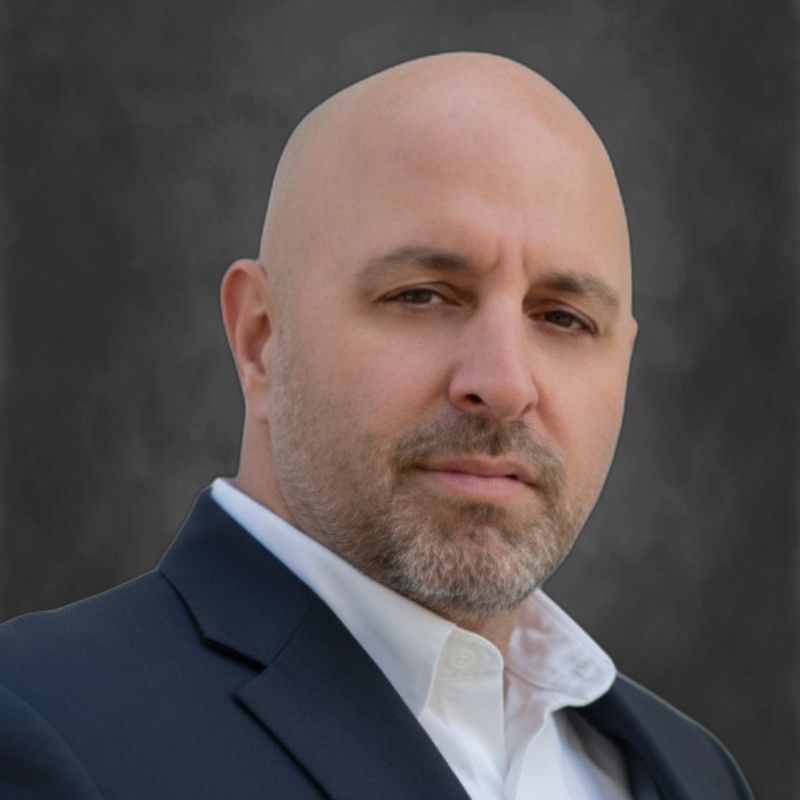
CEO/Co-Founder @ Oatmeal Health | AI Lung Cancer Screening | Almost Became a Doctor | Engineer | Follow to Share What I’ve Learned Along the Way
I help patients get the care they need earlier, preventing late-stage cancer.
That’s been the throughline across three companies and almost 20 years in healthcare. At ReferralMD, we fixed broken referral networks so patients didn’t fall through the cracks. At Oatmeal Health, it’s lung cancer: building the diagnostic and screening infrastructure so the 85% of cases caught too late get caught early instead.
Today as CEO of Oatmeal Health, I lead a team embedding AI into radiology workflows to turn routine lung CT scans into reimbursable cancer risk assessments. We partner with FQHCs to reach underserved communities, and with health systems and payers to make early detection economically sustainable. Think HeartFlow or Cleerly, but for lungs.
Between companies, I advised at Techstars and Plug and Play, mentoring founders building in digital health. That experience shaped how I think about what separates companies that ship from companies that stall: distribution, reimbursement, and clinical trust, not just technology.
I’m a CancerX alumnus, a 3x healthcare founder, and someone who believes the biggest problems in cancer aren’t scientific. They’re operational.
We’re hiring mission-driven builders at Oatmeal Health. If you want to work on something that matters, reach out.
When I’m not working, I’m traveling, mentoring, and keeping up with one very energetic husky. 🐾
Substack – The Oatmeal Bite:
Millions of patients get less care because of who they are, where they live, or how they look. I’m fighting to change that. CEO @OatmealHealth, a startup built for the underserved. The Oatmeal Bite: intel for clinicians, investors, and advocates.
Jonathan Govette
CEO of Oatmeal Health
Substack:
https://oatmealhealthjonathangovette.substack.com/