Share this article and save a life!
Sweden just proved AI can catch 29% more breast cancers.
And it’s cutting radiologist workload nearly in half.
The MASAI trial results are in, published in The Lancet this February. Over 100,000 women screened. The largest randomized controlled trial of AI in mammography ever conducted.
Here’s what they found:
📊 29% increase in cancer detection
🎯 12% reduction in interval cancers (the ones that show up between screenings)
⏱️ 44% reduction in radiologist reading time
✅ No increase in false positives (1.5% vs 1.4%)
But here’s what makes this revolutionary:
The AI caught mostly small, lymph node-negative invasive cancers. The kind that are treatable when found early. The kind that save lives.
Dr. Kristina Lång from Lund University made a crucial point: implementation is simple. It’s just software. No new equipment. No massive infrastructure changes.
Several Swedish regions have already adopted it.
Think about the implications for underserved communities. For rural areas with one overworked radiologist. For countries where double-reading isn’t even possible due to staffing.
We have 40,000 women dying from breast cancer annually in the US. Globally, it’s 685,000.
What if we could cut those numbers by catching cancers 29% more often, 12% sooner?
This isn’t about replacing radiologists. It’s about amplifying their expertise. One radiologist plus AI performed better than two radiologists reading separately.
The shortage of breast imaging specialists is real. The burnout is real. The missed cancers are real.
Sweden just showed us a path forward.
The question isn’t whether we’ll adopt AI screening. It’s how fast we can scale it.
♻️ Repost if early cancer detection should be available to every woman
👉 Follow me, Jonathan Govette, for daily, real-time updates on healthcare technology and business news. LinkedIn Profile: https://www.linkedin.com/in/jonathangovette/
Share this article and save a life!
Author:
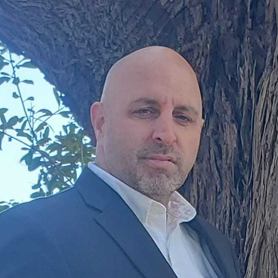
Jonathan Govette is a seasoned healthcare and technology executive with more than two decades of experience building, scaling, and advising digital health companies. He is the Co-Founder and CEO of Oatmeal Health, an AI-driven Lung Cancer Screening and Diagnostics company focused on expanding access to early detection for underrepresented populations, particularly patients served by Federally Qualified Health Centers and value-based health plans.
With a background in engineering, product development, and strategic partnerships, Jonathan has founded and led multiple health technology ventures across clinical care delivery, regulated medical software, and AI-enabled diagnostics. His work sits at the intersection of medicine, technology, and health equity, with a consistent focus on translating complex clinical problems into scalable, real-world solutions.
Jonathan has spent much of his professional life dedicated to improving outcomes for marginalized and underserved communities. He has designed and implemented frameworks that align clinical quality, reimbursement, and technology to sustainably advance health equity at scale. This mission is deeply personal and informs his leadership philosophy and long-term vision for healthcare transformation.
In addition to his operating experience, Jonathan is an author and long-time writer in the healthcare domain, with over 20 years of published work covering digital health, medical innovation, and healthcare systems. He is a frequent mentor to early-stage founders and regularly advises startups on product strategy, partnerships, and go-to-market execution in regulated healthcare environments.
Before entering industry full-time, Jonathan nearly pursued a career in medicine with an early path toward cardiothoracic surgery, an experience that continues to shape his clinical perspective and respect for frontline care delivery.
CEO | Oatmeal Health | AI Lung Cancer Startup | Engineer | Writer | Almost Became a Doctor (Cardiac Thoracic Surgeon) | 3x Health Tech Founder | Startup Mentor | Follow to share what I’ve learned along the way.