Share this article and save a life!
Your community clinic might finally afford that MRI upgrade.
GE HealthCare just got FDA clearance for something that could change the game for smaller imaging centers (February 19, 2026).
Three new SIGNA MRI systems, but here’s what matters:
The SIGNA Sprint uses a sealed 1.5T magnet with something called “Freelium” tech, which means no more helium refills. For FQHCs and community imaging centers, that’s thousands in saved maintenance costs annually.
The real breakthrough? Their AI-driven workflow cuts exam times dramatically.
Think about what this means:
• Rural imaging centers struggling with technician shortages can see more patients
• FQHCs can finally justify MRI investments with faster patient throughput
• Community hospitals competing with mega-systems get enterprise-level imaging
But here’s my take:
We’re at an inflection point. With imaging volumes exploding and radiologist burnout hitting crisis levels, these AI-powered systems aren’t luxury upgrades anymore. They’re survival tools.
The sealed magnet design alone could save centers $30,000+ yearly in helium costs. Add the AI workflow efficiencies, and suddenly that ROI calculation makes sense for smaller facilities.
🔍 What excites me most:
This isn’t about replacing radiologists. It’s about democratizing advanced imaging. When a community health center can offer the same MRI quality as a major academic center, health equity takes a real step forward.
The question now: Will payers recognize these efficiency gains with better reimbursement rates? Or will we continue penalizing facilities that invest in better tech?
Your move, CMS.
♻️ Repost if community imaging centers deserve the same tech as big hospitals
👉 Follow me, Jonathan Govette, for daily, real-time updates on healthcare technology and business news. LinkedIn Profile: https://www.linkedin.com/in/jonathangovette/
Share this article and save a life!
Author:
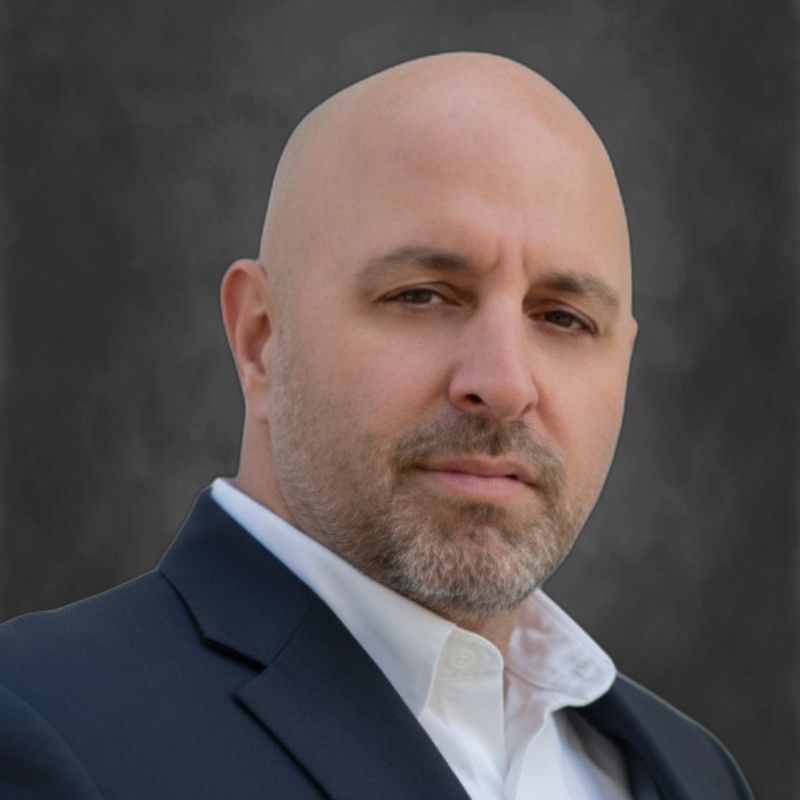
CEO/Co-Founder @ Oatmeal Health | AI Lung Cancer Screening | Almost Became a Doctor | Engineer | Follow to Share What I’ve Learned Along the Way
I help patients get the care they need earlier, preventing late-stage cancer.
That’s been the throughline across three companies and almost 20 years in healthcare. At ReferralMD, we fixed broken referral networks so patients didn’t fall through the cracks. At Oatmeal Health, it’s lung cancer: building the diagnostic and screening infrastructure so the 85% of cases caught too late get caught early instead.
Today as CEO of Oatmeal Health, I lead a team embedding AI into radiology workflows to turn routine lung CT scans into reimbursable cancer risk assessments. We partner with FQHCs to reach underserved communities, and with health systems and payers to make early detection economically sustainable. Think HeartFlow or Cleerly, but for lungs.
Between companies, I advised at Techstars and Plug and Play, mentoring founders building in digital health. That experience shaped how I think about what separates companies that ship from companies that stall: distribution, reimbursement, and clinical trust, not just technology.
I’m a CancerX alumnus, a 3x healthcare founder, and someone who believes the biggest problems in cancer aren’t scientific. They’re operational.
We’re hiring mission-driven builders at Oatmeal Health. If you want to work on something that matters, reach out.
When I’m not working, I’m traveling, mentoring, and keeping up with one very energetic husky. 🐾
Substack – The Oatmeal Bite:
Millions of patients get less care because of who they are, where they live, or how they look. I’m fighting to change that. CEO @OatmealHealth, a startup built for the underserved. The Oatmeal Bite: intel for clinicians, investors, and advocates.
Jonathan Govette
CEO of Oatmeal Health
Substack:
https://oatmealhealthjonathangovette.substack.com/