Share this article and save a life!
Not slowed them down. Cut them by two-thirds.
Philips’ SmartSpeed Precise MR technology just received FDA clearance, and it’s a game-changer for patients and overwhelmed radiology departments.
As someone who’s spent years in healthcare optimization, I can tell you this is revolutionary.
Here’s why this dual-AI breakthrough matters right now:
🔍 The tech combines two AI systems – one that accelerates image acquisition and another that enhances image quality
🏥 Early adopters are completing brain scans in under 10 seconds (not minutes)
⏱️ Radiology departments can see up to 2 additional patients per day with multi-parametric whole-body exams
👨⚕️ One-click operation makes it accessible to all technologists, not just AI specialists
The timing couldn’t be more critical. With radiology departments facing 15-25% staff vacancies nationwide and imaging backlogs growing, this technology directly addresses our industry’s biggest pain points.
Even more impressive, it’s backward compatible with existing Philips 1.5T and 3.0T MRI systems. No need to purchase entirely new equipment – the AI enhancement can be deployed across existing infrastructure.
Dr. Julian Luetkens at University Hospital Bonn reports breast MRI acquisition times reduced by 50% with better image quality than previous protocols. “We’re doing what was previously thought impossible.”
The implications extend far beyond efficiency:
• Patients experience less anxiety with shorter scan times
• Fewer motion artifacts from patient movement
• Higher diagnostic confidence for subtle abnormalities
• Reduced sedation needs for pediatric and challenging patients
• Faster diagnosis and treatment planning
With radiology AI approvals surpassing 1,200 by mid-2025, we’re witnessing a fundamental transformation in diagnostic imaging. But most innovations only address one aspect of the workflow.
This technology tackles both speed and quality simultaneously – a rare achievement in medical technology.
For imaging center leaders and hospital executives, the ROI calculation seems straightforward: increased throughput, better clinical outcomes, improved patient satisfaction, and reduced staff burnout.
Now I’m curious – if you’re in imaging or hospital administration, what’s your biggest barrier to adopting AI-enhanced imaging technology? Is it cost, training, workflow integration, or something else?
💬 What AI imaging technology has impressed you most this year?
Share this article and save a life!
Author:
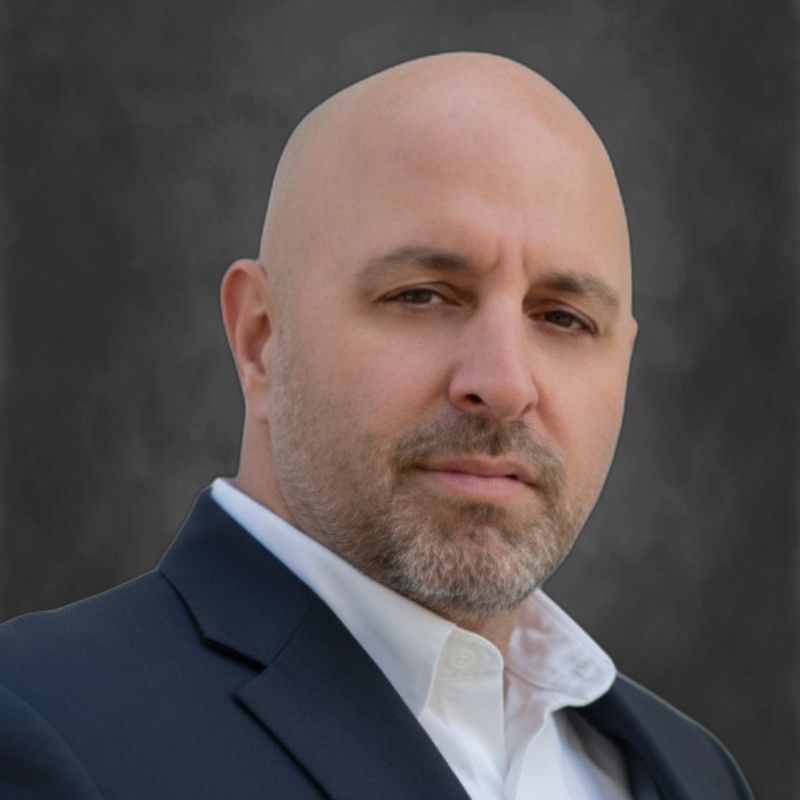
CEO/Co-Founder @ Oatmeal Health | AI Lung Cancer Screening | Almost Became a Doctor | Engineer | Follow to Share What I’ve Learned Along the Way
I help patients get the care they need earlier, preventing late-stage cancer.
That’s been the throughline across three companies and almost 20 years in healthcare. At ReferralMD, we fixed broken referral networks so patients didn’t fall through the cracks. At Oatmeal Health, it’s lung cancer: building the diagnostic and screening infrastructure so the 85% of cases caught too late get caught early instead.
Today as CEO of Oatmeal Health, I lead a team embedding AI into radiology workflows to turn routine lung CT scans into reimbursable cancer risk assessments. We partner with FQHCs to reach underserved communities, and with health systems and payers to make early detection economically sustainable. Think HeartFlow or Cleerly, but for lungs.
Between companies, I advised at Techstars and Plug and Play, mentoring founders building in digital health. That experience shaped how I think about what separates companies that ship from companies that stall: distribution, reimbursement, and clinical trust, not just technology.
I’m a CancerX alumnus, a 3x healthcare founder, and someone who believes the biggest problems in cancer aren’t scientific. They’re operational.
We’re hiring mission-driven builders at Oatmeal Health. If you want to work on something that matters, reach out.
When I’m not working, I’m traveling, mentoring, and keeping up with one very energetic husky. 🐾
Substack – The Oatmeal Bite:
Millions of patients get less care because of who they are, where they live, or how they look. I’m fighting to change that. CEO @OatmealHealth, a startup built for the underserved. The Oatmeal Bite: intel for clinicians, investors, and advocates.
Jonathan Govette
CEO of Oatmeal Health
Substack:
https://oatmealhealthjonathangovette.substack.com/