Share this article and save a life!
This AI doesn’t just flag findings, it writes the entire radiology report.
On April 16th, the FDA granted Breakthrough Device Designation to Cognita CXR, marking a pivotal shift in how we think about AI in radiology.
Here’s what makes this different:
Traditional AI tools spot individual problems: a lung nodule here, a fracture there. They’re basically digital highlighters.
Cognita CXR? It analyzes the entire chest X-ray and drafts a comprehensive preliminary report. Not fragments. Not alerts. Complete findings, ready for radiologist review.
The validation numbers caught my attention:
• 16-65% improvement in detecting significant findings
• 18% boost in interpretation efficiency
• Licensed radiologists maintain full control and final say
Think about what this means for patient care.
We’re facing the third consecutive year where workforce shortages are radiology’s biggest threat. Meanwhile, imaging volumes keep climbing. Something has to give.
But here’s my question: Are we ready for AI that doesn’t just assist but actually authors the first draft?
Some radiologists will see this as a threat. Others will embrace it as liberation from the mundane, letting them focus on complex cases and patient interaction.
The FDA’s Breakthrough Device Designation signals urgency. They’re fast-tracking this because the capacity crisis is real.
What strikes me most: We’ve crossed from AI as a second opinion to AI as the first author. That’s not iteration, that’s transformation.
The radiologist becomes an editor, not just a reader. Quality controller, not just interpreter.
Is this the future we want? I think it’s the future we need.
♻️ Repost if radiology AI should draft reports, not just flag findings.
👉 Follow me, Jonathan Govette, for daily, real-time updates on healthcare technology and business news. LinkedIn Profile: https://www.linkedin.com/in/jonathangovette/
Share this article and save a life!
Author:
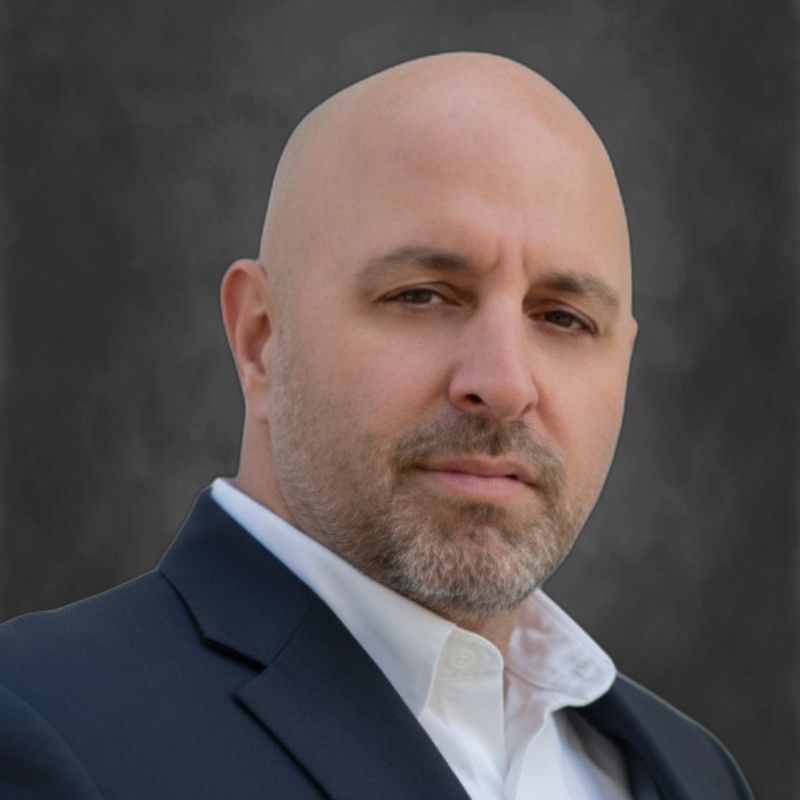
CEO/Co-Founder @ Oatmeal Health | AI Lung Cancer Screening | Almost Became a Doctor | Engineer | Follow to Share What I’ve Learned Along the Way
I help patients get the care they need earlier, preventing late-stage cancer.
That’s been the throughline across three companies and almost 20 years in healthcare. At ReferralMD, we fixed broken referral networks so patients didn’t fall through the cracks. At Oatmeal Health, it’s lung cancer: building the diagnostic and screening infrastructure so the 85% of cases caught too late get caught early instead.
Today as CEO of Oatmeal Health, I lead a team embedding AI into radiology workflows to turn routine lung CT scans into reimbursable cancer risk assessments. We partner with FQHCs to reach underserved communities, and with health systems and payers to make early detection economically sustainable. Think HeartFlow or Cleerly, but for lungs.
Between companies, I advised at Techstars and Plug and Play, mentoring founders building in digital health. That experience shaped how I think about what separates companies that ship from companies that stall: distribution, reimbursement, and clinical trust, not just technology.
I’m a CancerX alumnus, a 3x healthcare founder, and someone who believes the biggest problems in cancer aren’t scientific. They’re operational.
We’re hiring mission-driven builders at Oatmeal Health. If you want to work on something that matters, reach out.
When I’m not working, I’m traveling, mentoring, and keeping up with one very energetic husky. 🐾
Substack – The Oatmeal Bite:
Millions of patients get less care because of who they are, where they live, or how they look. I’m fighting to change that. CEO @OatmealHealth, a startup built for the underserved. The Oatmeal Bite: intel for clinicians, investors, and advocates.
Jonathan Govette
CEO of Oatmeal Health
Substack:
https://oatmealhealthjonathangovette.substack.com/