Share this article and save a life!
The largest AI breast cancer screening trial in U.S. history just launched, and the early data is mind-blowing. 🔍
The $16 million PRISM Trial (Pragmatic Randomized Trial of AI for Screening Mammography) is evaluating how AI transforms breast cancer detection across hundreds of thousands of mammograms.
Here’s why every healthcare leader should be paying attention:
• Real-world data shows the Transpara AI system detects 29% more breast cancers compared to standard screening
• Radiologist workload is reduced by 44% without increasing recall rates
• Sensitivity improved from 81.7% to 87.2% in clinical studies
• The system flags 76% of mammograms initially read as normal but later linked to interval cancers
• Low-risk exams show a 99.97% negative predictive value, reliably ruling out cancer
What makes this trial different is its scale and design. While previous studies were conducted in controlled settings, PRISM is happening in diverse real-world clinical environments across California, Florida, Massachusetts, Washington, and Wisconsin.
The integration is surprisingly straightforward. The AI analyzes both 2D and 3D mammography images, highlights suspicious areas, and assigns a risk score from 1-10. All final interpretations still come from radiologists, with AI serving as an intelligent assistant.
But the implications extend far beyond workflow improvement. This technology directly addresses three critical challenges:
1. The radiologist shortage crisis that’s bottlenecking screening programs
2. The persistent problem of missed cancers that appear on retrospective review
3. The psychological burden on patients from unnecessary recalls
For imaging center leaders and healthcare executives, this represents a rare technological advancement that simultaneously improves clinical outcomes, operational efficiency, and patient experience.
The PRISM Trial results will likely determine how quickly this technology becomes the standard of care, influencing both clinical guidelines and insurance coverage policies.
Questions for my network: Has your organization implemented any AI tools in your imaging workflow? If so, what results have you seen? If not, what’s holding you back?
Share this article and save a life!
Author:
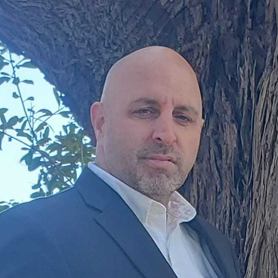
Jonathan Govette is a seasoned healthcare and technology executive with more than two decades of experience building, scaling, and advising digital health companies. He is the Co-Founder and CEO of Oatmeal Health, an AI-driven Lung Cancer Screening and Diagnostics company focused on expanding access to early detection for underrepresented populations, particularly patients served by Federally Qualified Health Centers and value-based health plans.
With a background in engineering, product development, and strategic partnerships, Jonathan has founded and led multiple health technology ventures across clinical care delivery, regulated medical software, and AI-enabled diagnostics. His work sits at the intersection of medicine, technology, and health equity, with a consistent focus on translating complex clinical problems into scalable, real-world solutions.
Jonathan has spent much of his professional life dedicated to improving outcomes for marginalized and underserved communities. He has designed and implemented frameworks that align clinical quality, reimbursement, and technology to sustainably advance health equity at scale. This mission is deeply personal and informs his leadership philosophy and long-term vision for healthcare transformation.
In addition to his operating experience, Jonathan is an author and long-time writer in the healthcare domain, with over 20 years of published work covering digital health, medical innovation, and healthcare systems. He is a frequent mentor to early-stage founders and regularly advises startups on product strategy, partnerships, and go-to-market execution in regulated healthcare environments.
Before entering industry full-time, Jonathan nearly pursued a career in medicine with an early path toward cardiothoracic surgery, an experience that continues to shape his clinical perspective and respect for frontline care delivery.
CEO | Oatmeal Health | AI Lung Cancer Startup | Engineer | Writer | Almost Became a Doctor (Cardiac Thoracic Surgeon) | 3x Health Tech Founder | Startup Mentor | Follow to share what I’ve learned along the way.