Share this article and save a life!
2 million neurons die every minute during a stroke. AI just changed that.
Good Samaritan Hospital in San Jose just flipped the script on stroke care.
They’re the first Bay Area hospital to deploy Lumina 3D, an AI system by RapidAI that transforms standard CT scans into detailed 3D brain and neck vessel maps. The game changer? It cuts image processing time by 24 minutes.
24 minutes = 48 million neurons saved. 🧠
Think about what this means:
• Stroke teams can see blood clots instantly
• Neurosurgeons get crystal clear vessel roadmaps
• Decisions that took half an hour now happen in minutes
• Rural hospitals can match urban stroke centers with this tech
Here’s what struck me most: This isn’t some far off promise. It launched March 30, 2026. It’s live. Right now. Saving brains in real time.
The broader implications are massive. If one AI tool can save 48 million neurons per patient, imagine what happens when every emergency department has this capability. We’re not just treating strokes faster, we’re preventing disabilities that would have been inevitable just months ago.
But here’s my question for healthcare leaders:
If the technology exists TODAY to save 48 million neurons in 24 minutes, why isn’t it in every hospital tomorrow?
Is it cost? Training? Fear of AI? Or are we just moving too slowly while patients lose brain function?
The neurons don’t wait for our committees to decide.
♻️ Repost if every stroke center should have AI vessel imaging NOW
👉 Follow me, Jonathan Govette, for daily, real-time updates on healthcare technology and business news. LinkedIn Profile: https://www.linkedin.com/in/jonathangovette/
Share this article and save a life!
Author:
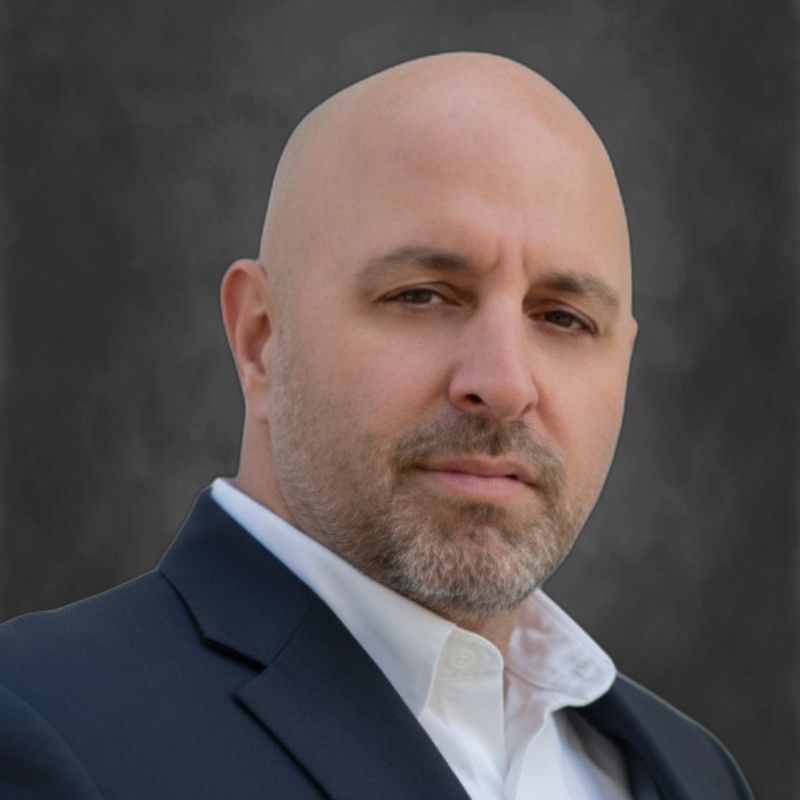
CEO/Co-Founder @ Oatmeal Health | AI Lung Cancer Screening | Almost Became a Doctor | Engineer | Follow to Share What I’ve Learned Along the Way
I help patients get the care they need earlier, preventing late-stage cancer.
That’s been the throughline across three companies and almost 20 years in healthcare. At ReferralMD, we fixed broken referral networks so patients didn’t fall through the cracks. At Oatmeal Health, it’s lung cancer: building the diagnostic and screening infrastructure so the 85% of cases caught too late get caught early instead.
Today as CEO of Oatmeal Health, I lead a team embedding AI into radiology workflows to turn routine lung CT scans into reimbursable cancer risk assessments. We partner with FQHCs to reach underserved communities, and with health systems and payers to make early detection economically sustainable. Think HeartFlow or Cleerly, but for lungs.
Between companies, I advised at Techstars and Plug and Play, mentoring founders building in digital health. That experience shaped how I think about what separates companies that ship from companies that stall: distribution, reimbursement, and clinical trust, not just technology.
I’m a CancerX alumnus, a 3x healthcare founder, and someone who believes the biggest problems in cancer aren’t scientific. They’re operational.
We’re hiring mission-driven builders at Oatmeal Health. If you want to work on something that matters, reach out.
When I’m not working, I’m traveling, mentoring, and keeping up with one very energetic husky. 🐾
Substack – The Oatmeal Bite:
Millions of patients get less care because of who they are, where they live, or how they look. I’m fighting to change that. CEO @OatmealHealth, a startup built for the underserved. The Oatmeal Bite: intel for clinicians, investors, and advocates.
Jonathan Govette
CEO of Oatmeal Health
Substack:
https://oatmealhealthjonathangovette.substack.com/