Share this article and save a life!
270 CT scans per day? That’s what AI just made possible.
Philips just got FDA clearance for something remarkable: the world’s first AI-powered detector-based spectral CT system (April 16, 2026).
Here’s why this matters:
🔬 The Verida Spectral CT reconstructs 145 images per second. Full exams in under 30 seconds. That’s twice as fast as previous systems.
Think about that impact.
A busy imaging center running 16-hour shifts can now handle 270 exams daily. Previously impossible throughput.
But speed isn’t the breakthrough.
The AI-powered detector reduces image noise by 80%. It measures X-ray energy absorption at different levels, revealing tissue differences invisible to standard CT.
Cancer that might have been missed? Now visible.
Cardiac abnormalities hiding in noise? Crystal clear.
Subtle lung nodules? Detected on first scan.
This isn’t just incremental improvement. It’s “see more, first time right” imaging becoming reality.
For FQHCs and community imaging centers struggling with volume: this changes everything. More patients served. Better outcomes. Lower costs per scan.
For radiologists drowning in workload: AI handles the heavy lifting of reconstruction while you focus on interpretation.
The real winner? Patients who get accurate diagnoses faster, without repeat scans or delays.
We’re watching radiology transform from reactive to proactive medicine. When you can process 270 detailed spectral CT scans daily with 80% less noise, you’re not just improving efficiency.
You’re saving lives that would have been lost to missed diagnoses.
This is what happens when AI solves real clinical problems, not theoretical ones.
The future of medical imaging just arrived. And it processes 145 images per second.
♻️ Repost if breakthrough imaging technology should reach underserved communities first.
👉 Follow me, Jonathan Govette, for daily, real-time updates on healthcare technology and business news. LinkedIn Profile: https://www.linkedin.com/in/jonathangovette/
Share this article and save a life!
Author:
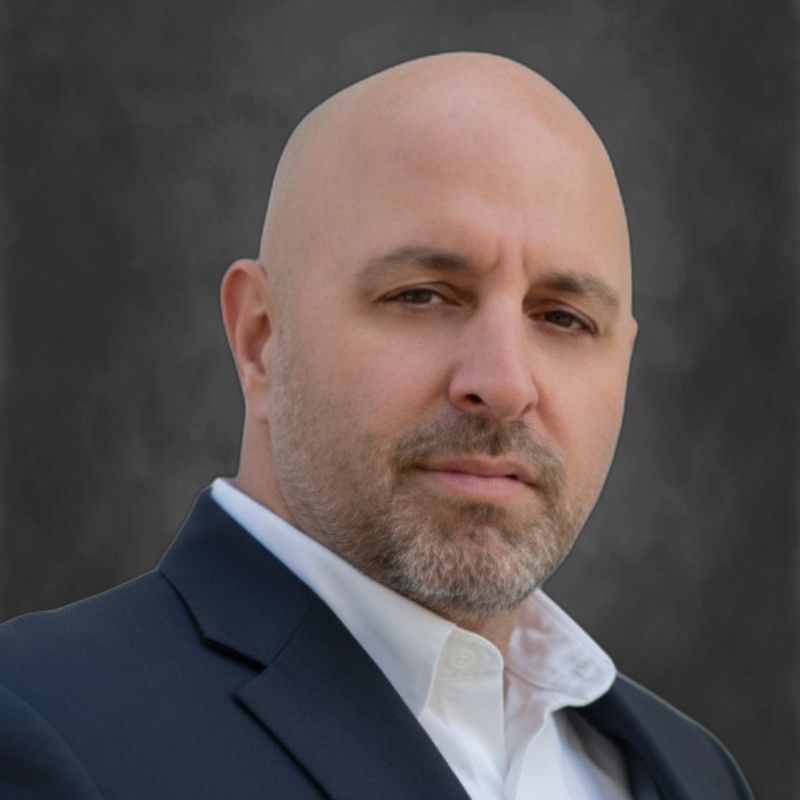
CEO/Co-Founder @ Oatmeal Health | AI Lung Cancer Screening | Almost Became a Doctor | Engineer | Follow to Share What I’ve Learned Along the Way
I help patients get the care they need earlier, preventing late-stage cancer.
That’s been the throughline across three companies and almost 20 years in healthcare. At ReferralMD, we fixed broken referral networks so patients didn’t fall through the cracks. At Oatmeal Health, it’s lung cancer: building the diagnostic and screening infrastructure so the 85% of cases caught too late get caught early instead.
Today as CEO of Oatmeal Health, I lead a team embedding AI into radiology workflows to turn routine lung CT scans into reimbursable cancer risk assessments. We partner with FQHCs to reach underserved communities, and with health systems and payers to make early detection economically sustainable. Think HeartFlow or Cleerly, but for lungs.
Between companies, I advised at Techstars and Plug and Play, mentoring founders building in digital health. That experience shaped how I think about what separates companies that ship from companies that stall: distribution, reimbursement, and clinical trust, not just technology.
I’m a CancerX alumnus, a 3x healthcare founder, and someone who believes the biggest problems in cancer aren’t scientific. They’re operational.
We’re hiring mission-driven builders at Oatmeal Health. If you want to work on something that matters, reach out.
When I’m not working, I’m traveling, mentoring, and keeping up with one very energetic husky. 🐾
Substack – The Oatmeal Bite:
Millions of patients get less care because of who they are, where they live, or how they look. I’m fighting to change that. CEO @OatmealHealth, a startup built for the underserved. The Oatmeal Bite: intel for clinicians, investors, and advocates.
Jonathan Govette
CEO of Oatmeal Health
Substack:
https://oatmealhealthjonathangovette.substack.com/