Share this article and save a life!
The 60-minute window that’s saving lives in radiology departments
AI triage systems are revolutionizing emergency radiology in 2025, and the numbers are stunning.
New data released this month shows AI-powered triage is cutting critical finding detection times by an average of 60 minutes in emergency departments nationwide. 🚨
Here’s what’s happening:
When a stroke, pulmonary embolism, or brain hemorrhage appears on a scan, AI instantly flags it for immediate review, rather than letting it sit in chronological order with dozens of routine studies.
The impact? Dramatic reductions in time-to-treatment:
• 32% faster overall report turnaround times
• 83% reduction in fracture detection delays
• 67% fewer missed critical findings
These aren’t just efficiency metrics, they’re life-changing differences for patients where minutes matter.
What makes the current generation of AI triage different is how it’s implemented. Rather than trying to replace radiologists, these systems function as intelligent safety nets that work alongside clinical teams.
The AI monitors incoming studies 24/7, instantly identifying potential emergencies and reordering worklists to ensure urgent cases get immediate attention. This allows advanced practice providers to begin stabilizing patients while radiologists validate findings.
One emergency medicine physician I spoke with put it perfectly: “On any given day, we might have 100 images waiting for review. AI helps us find the needle in the haystack – the diagnosis that could save a life today.”
Northwestern Medicine’s system has demonstrated productivity gains up to 40% for radiographs, with unpublished studies showing 80% efficiency improvements for CT scans.
The technology is particularly valuable during nights and weekends when staffing is limited. One Level I trauma center reported that overnight critical findings are now identified an average of 3.7 hours faster.
What’s most encouraging? This isn’t theoretical research anymore – these systems are deployed in over 1,600 hospitals worldwide, with documented impact on patient outcomes.
The radiology community has evolved from asking “Will AI replace us?” to “How quickly can we implement this to help our patients?”
The future of radiology isn’t about AI versus radiologists. It’s about AI plus radiologists creating care that’s faster, more accurate, and ultimately more human-centered.
What do you think? Is your organization implementing AI triage? What results are you seeing?
Share this article and save a life!
Author:
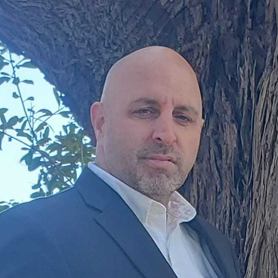
Jonathan Govette is a seasoned healthcare and technology executive with more than two decades of experience building, scaling, and advising digital health companies. He is the Co-Founder and CEO of Oatmeal Health, an AI-driven Lung Cancer Screening and Diagnostics company focused on expanding access to early detection for underrepresented populations, particularly patients served by Federally Qualified Health Centers and value-based health plans.
With a background in engineering, product development, and strategic partnerships, Jonathan has founded and led multiple health technology ventures across clinical care delivery, regulated medical software, and AI-enabled diagnostics. His work sits at the intersection of medicine, technology, and health equity, with a consistent focus on translating complex clinical problems into scalable, real-world solutions.
Jonathan has spent much of his professional life dedicated to improving outcomes for marginalized and underserved communities. He has designed and implemented frameworks that align clinical quality, reimbursement, and technology to sustainably advance health equity at scale. This mission is deeply personal and informs his leadership philosophy and long-term vision for healthcare transformation.
In addition to his operating experience, Jonathan is an author and long-time writer in the healthcare domain, with over 20 years of published work covering digital health, medical innovation, and healthcare systems. He is a frequent mentor to early-stage founders and regularly advises startups on product strategy, partnerships, and go-to-market execution in regulated healthcare environments.
Before entering industry full-time, Jonathan nearly pursued a career in medicine with an early path toward cardiothoracic surgery, an experience that continues to shape his clinical perspective and respect for frontline care delivery.
CEO | Oatmeal Health | AI Lung Cancer Startup | Engineer | Writer | Almost Became a Doctor (Cardiac Thoracic Surgeon) | 3x Health Tech Founder | Startup Mentor | Follow to share what I’ve learned along the way.