Share this article and save a life!
One brain scan, seven diagnoses. This changes everything.
Mass General Brigham just dropped BrainIAC on February 5th, and it’s not your typical radiology AI.
This isn’t another single-task algorithm that spots one thing really well. BrainIAC analyzes a single brain MRI and delivers multiple complex assessments:
• Estimates your “brain age”
• Predicts dementia risk
• Detects brain tumor mutations
• Predicts brain cancer survival
• And three more clinical applications
Trained on 49,000 brain MRI scans, it uses self-supervised learning to understand both healthy and abnormal brain patterns without needing labeled data for every condition.
The kicker? It outperformed conventional task-specific AI frameworks across all seven applications.
Think about what this means for community hospitals and FQHCs. Instead of purchasing seven different AI tools (with seven different contracts, seven different integrations, seven different training sessions), they get comprehensive neuroimaging support from one platform.
For patients in underserved areas, this could mean the difference between catching early-stage neurological conditions or waiting until symptoms become severe.
But here’s what really struck me: We’re moving from AI that does one thing perfectly to AI that thinks more like radiologists do, seeing the whole picture, not just isolated findings.
The real question isn’t whether AI will replace radiologists anymore. It’s how quickly health systems can adapt to AI that fundamentally changes the diagnostic workflow.
When one scan can answer seven clinical questions simultaneously, do we need to rethink how we structure imaging protocols? How we bill for services? How we train the next generation of radiologists?
This isn’t just incremental improvement. It’s a complete reimagining of what diagnostic imaging can deliver.
♻️ Repost if multi-purpose AI could transform diagnostic accuracy in your community
👉 Follow me, Jonathan Govette, for daily, real-time updates on healthcare technology and business news. LinkedIn Profile: https://www.linkedin.com/in/jonathangovette/
Share this article and save a life!
Author:
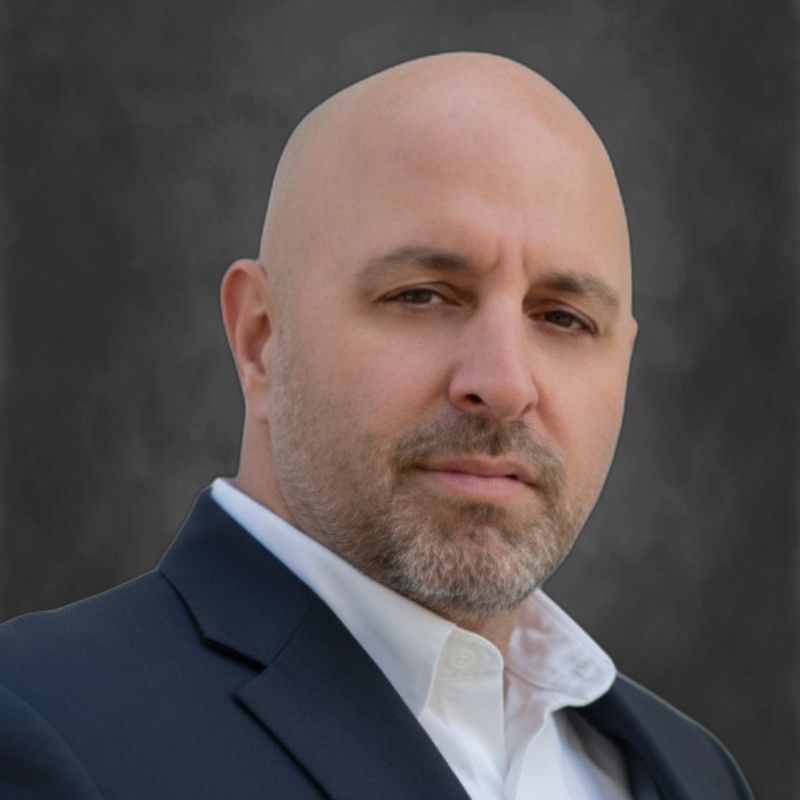
CEO/Co-Founder @ Oatmeal Health | AI Lung Cancer Screening | Almost Became a Doctor | Engineer | Follow to Share What I’ve Learned Along the Way
I help patients get the care they need earlier, preventing late-stage cancer.
That’s been the throughline across three companies and almost 20 years in healthcare. At ReferralMD, we fixed broken referral networks so patients didn’t fall through the cracks. At Oatmeal Health, it’s lung cancer: building the diagnostic and screening infrastructure so the 85% of cases caught too late get caught early instead.
Today as CEO of Oatmeal Health, I lead a team embedding AI into radiology workflows to turn routine lung CT scans into reimbursable cancer risk assessments. We partner with FQHCs to reach underserved communities, and with health systems and payers to make early detection economically sustainable. Think HeartFlow or Cleerly, but for lungs.
Between companies, I advised at Techstars and Plug and Play, mentoring founders building in digital health. That experience shaped how I think about what separates companies that ship from companies that stall: distribution, reimbursement, and clinical trust, not just technology.
I’m a CancerX alumnus, a 3x healthcare founder, and someone who believes the biggest problems in cancer aren’t scientific. They’re operational.
We’re hiring mission-driven builders at Oatmeal Health. If you want to work on something that matters, reach out.
When I’m not working, I’m traveling, mentoring, and keeping up with one very energetic husky. 🐾
Substack – The Oatmeal Bite:
Millions of patients get less care because of who they are, where they live, or how they look. I’m fighting to change that. CEO @OatmealHealth, a startup built for the underserved. The Oatmeal Bite: intel for clinicians, investors, and advocates.
Jonathan Govette
CEO of Oatmeal Health
Substack:
https://oatmealhealthjonathangovette.substack.com/