Share this article and save a life!
72 hours to approve or deny. CMS just rewrote the rules.
Starting this year, health plans must respond to prior authorization requests within 3 days for urgent cases. Seven days for standard requests.
No more black holes. No more endless waiting.
The numbers are staggering:
📊 This affects 50% of all Medicare beneficiaries through Medicare Advantage
💰 Impacts 30% to 60% of revenue for Medicare and Medicaid heavy providers
⚡ Requires FHIR based APIs for electronic prior authorization across MA, Medicaid, CHIP, and ACA plans
But here’s what really matters:
Public metric reporting. Every plan must now publish their approval rates, denial reasons, and turnaround times.
Transparency as a forcing function.
Think about what this means for cancer patients waiting for treatment approval. For chronic disease management where delays compound suffering. For FQHCs trying to serve vulnerable populations efficiently.
The technology mandate is equally transformative. FHIR APIs aren’t just technical requirements, they’re infrastructure for a new healthcare operating system. One where data flows seamlessly between providers, payers, and patients.
Some health systems will struggle with implementation. The smart ones started preparing months ago.
The real winners? Patients who won’t die waiting for insurance approvals. Providers who can focus on medicine instead of paperwork. And tech companies building the rails for this new ecosystem.
This isn’t just regulatory compliance. It’s the beginning of healthcare’s digital transformation finally reaching the most broken part of the system: administrative burden.
The question isn’t whether this will work. It’s whether healthcare organizations are ready to operate at the speed their patients deserve.
♻️ Repost if prior authorization delays have hurt patient care in your practice
👉 Follow me, Jonathan Govette, for daily, real-time updates on healthcare technology and business news. LinkedIn Profile: https://www.linkedin.com/in/jonathangovette/
Share this article and save a life!
Author:
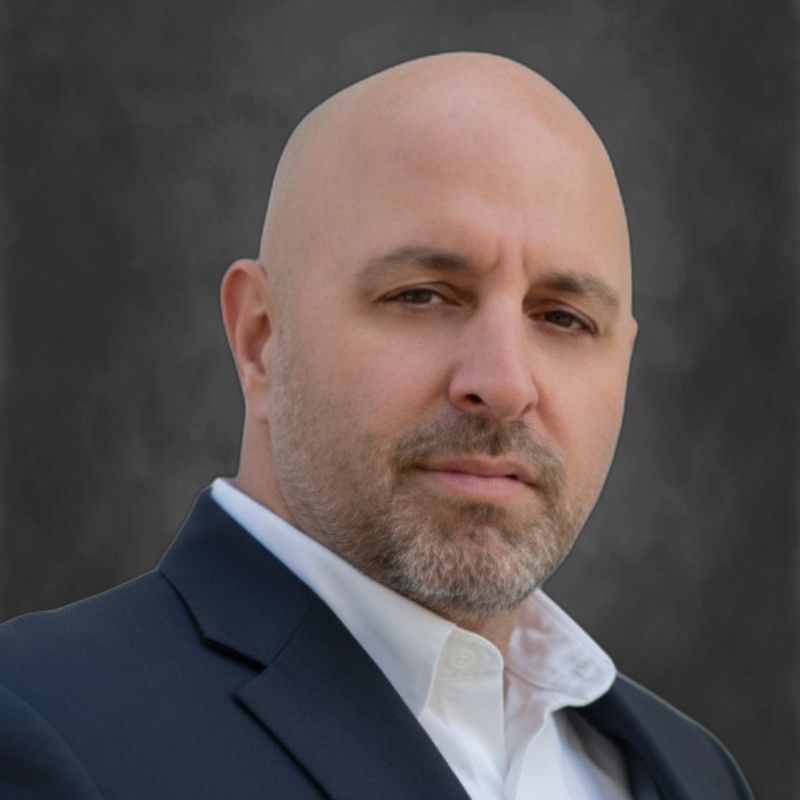
CEO/Co-Founder @ Oatmeal Health | AI Lung Cancer Screening | Almost Became a Doctor | Engineer | Follow to Share What I’ve Learned Along the Way
I help patients get the care they need earlier, preventing late-stage cancer.
That’s been the throughline across three companies and almost 20 years in healthcare. At ReferralMD, we fixed broken referral networks so patients didn’t fall through the cracks. At Oatmeal Health, it’s lung cancer: building the diagnostic and screening infrastructure so the 85% of cases caught too late get caught early instead.
Today as CEO of Oatmeal Health, I lead a team embedding AI into radiology workflows to turn routine lung CT scans into reimbursable cancer risk assessments. We partner with FQHCs to reach underserved communities, and with health systems and payers to make early detection economically sustainable. Think HeartFlow or Cleerly, but for lungs.
Between companies, I advised at Techstars and Plug and Play, mentoring founders building in digital health. That experience shaped how I think about what separates companies that ship from companies that stall: distribution, reimbursement, and clinical trust, not just technology.
I’m a CancerX alumnus, a 3x healthcare founder, and someone who believes the biggest problems in cancer aren’t scientific. They’re operational.
We’re hiring mission-driven builders at Oatmeal Health. If you want to work on something that matters, reach out.
When I’m not working, I’m traveling, mentoring, and keeping up with one very energetic husky. 🐾
Substack – The Oatmeal Bite:
Millions of patients get less care because of who they are, where they live, or how they look. I’m fighting to change that. CEO @OatmealHealth, a startup built for the underserved. The Oatmeal Bite: intel for clinicians, investors, and advocates.
Jonathan Govette
CEO of Oatmeal Health
Substack:
https://oatmealhealthjonathangovette.substack.com/