Share this article and save a life!
$750K per year for 4 years: HRSA’s massive FQHC grant wave is here.
After years of limited federal opportunities, HRSA just dropped the funding bombshell FQHCs have been waiting for.
Here’s what’s coming down the pipeline:
📍 Rural Communities Opioid Response (RCORP)
• $750,000 per year for 4 years
• 80 awards expected
• Zero cost-sharing requirement
• Applications due April 22, 2026
📍 Ryan White Part C Capacity Building
• $115,000 per award
• 60 awards expected
• Perfect entry point (no existing Ryan White patients required)
• Applications due May 1, 2026
📍 MAHA Elevate Program
• $100 million total funding
• Up to 30 cooperative agreements
• First cohort launches September 2026
Why this matters now:
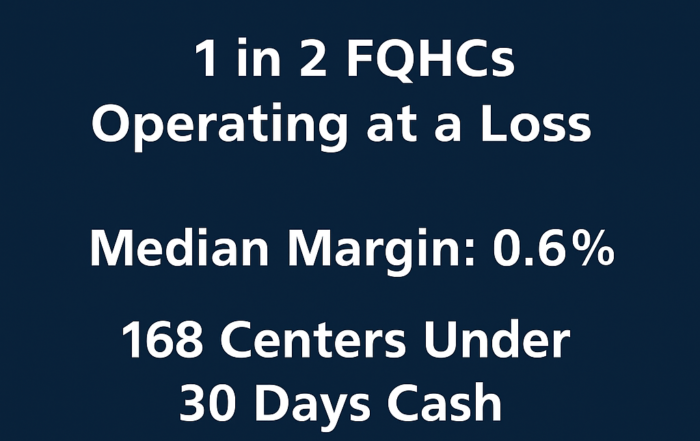
FQHCs serve 31 million patients, yet many operate on razor-thin margins. These grants aren’t just funding, they’re lifelines that enable expansion of mental health services, substance use treatment, and HIV care in communities that desperately need them.
The Ryan White Part C grant is particularly brilliant. By removing the requirement for existing Ryan White patients, HRSA is essentially saying: “We’ll pay you to build the infrastructure first, then serve the patients.”
That’s how you expand access strategically.
But here’s the catch: Application windows are tight. RCORP applications are due April 22. Ryan White is May 1. Your grant team needs to start NOW.
My take? This funding surge signals a federal recognition that FQHCs are the backbone of America’s safety net. After the pandemic exposed massive gaps in community health infrastructure, Washington is finally putting serious money where it matters.
For FQHC leaders: Don’t sleep on these opportunities. The organizations that move fast will transform their communities for the next decade.
♻️ Repost if FQHCs deserve sustained federal investment, not just crisis funding.
👉 Follow me, Jonathan Govette, for daily, real-time updates on healthcare technology and business news. LinkedIn Profile: https://www.linkedin.com/in/jonathangovette/
Share this article and save a life!
Author:
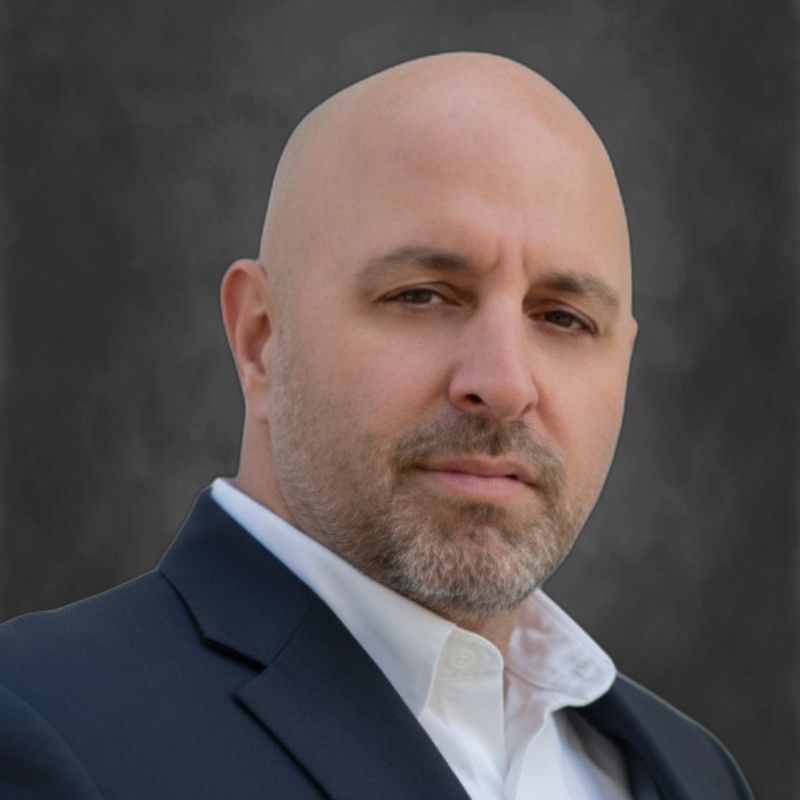
CEO/Co-Founder @ Oatmeal Health | AI Lung Cancer Screening | Almost Became a Doctor | Engineer | Follow to Share What I’ve Learned Along the Way
I help patients get the care they need earlier, preventing late-stage cancer.
That’s been the throughline across three companies and almost 20 years in healthcare. At ReferralMD, we fixed broken referral networks so patients didn’t fall through the cracks. At Oatmeal Health, it’s lung cancer: building the diagnostic and screening infrastructure so the 85% of cases caught too late get caught early instead.
Today as CEO of Oatmeal Health, I lead a team embedding AI into radiology workflows to turn routine lung CT scans into reimbursable cancer risk assessments. We partner with FQHCs to reach underserved communities, and with health systems and payers to make early detection economically sustainable. Think HeartFlow or Cleerly, but for lungs.
Between companies, I advised at Techstars and Plug and Play, mentoring founders building in digital health. That experience shaped how I think about what separates companies that ship from companies that stall: distribution, reimbursement, and clinical trust, not just technology.
I’m a CancerX alumnus, a 3x healthcare founder, and someone who believes the biggest problems in cancer aren’t scientific. They’re operational.
We’re hiring mission-driven builders at Oatmeal Health. If you want to work on something that matters, reach out.
When I’m not working, I’m traveling, mentoring, and keeping up with one very energetic husky. 🐾
Substack – The Oatmeal Bite:
Millions of patients get less care because of who they are, where they live, or how they look. I’m fighting to change that. CEO @OatmealHealth, a startup built for the underserved. The Oatmeal Bite: intel for clinicians, investors, and advocates.
Jonathan Govette
CEO of Oatmeal Health
Substack:
https://oatmealhealthjonathangovette.substack.com/