Share this article and save a life!
OpenAI just handed doctors 2 hours of their life back.
On April 22, they launched ChatGPT for Clinicians, free for verified U.S. physicians, NPs, PAs, and pharmacists.
Here’s why this matters:
For every hour doctors spend with patients, they spend nearly 2 more hours on documentation. That’s not healthcare, that’s data entry.
26% of primary care physicians say documentation is their #1 cause of burnout.
23% of mental health providers feel the same.
Pajama time is real. Doctors charting at home after putting their kids to bed.
Now imagine this:
• Prior authorizations written in seconds, not hours
• Referral letters generated from voice notes
• Medical research compiled with citations in minutes
• Patient instructions customized instantly
• CME credits earned while researching cases
All HIPAA compliant. No training on your data.
The features that caught my attention:
✓ Trusted clinical search across peer-reviewed sources
✓ Reusable workflow templates
✓ Deep research capabilities with citation tracking
✓ Business Associate Agreement for PHI tasks
But here’s the real question:
Will doctors trust it?
Burnout rates finally dropped to 41.9% in 2025, down from 48.2% in 2023. We’re making progress, slowly.
This tool could accelerate that trend, or it could become another checkbox in an already complex workflow.
The difference? Implementation.
If health systems mandate it without training, it fails.
If doctors adopt it organically to reclaim their evenings, it transforms medicine.
Technology should amplify human expertise, not replace it. When AI handles the mundane, physicians can focus on what matters: healing.
The future of healthcare isn’t AI or humans.
It’s AI empowering humans to be more human.
♻️ Repost if documentation burden is stealing time from patient care
👉 Follow me, Jonathan Govette, for daily, real-time updates on healthcare technology and business news. LinkedIn Profile: https://www.linkedin.com/in/jonathangovette/
Share this article and save a life!
Author:
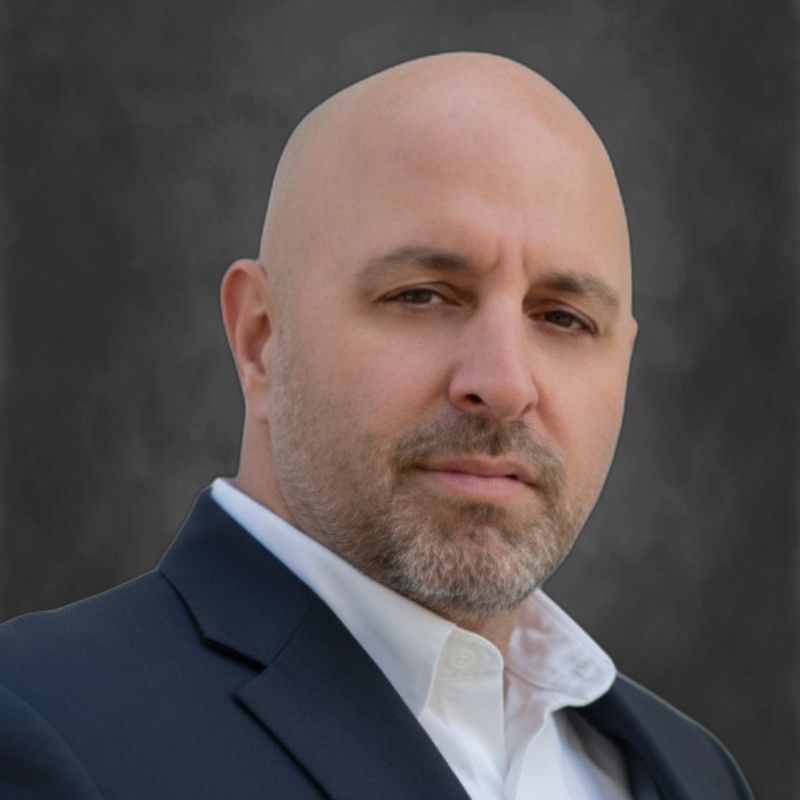
CEO/Co-Founder @ Oatmeal Health | AI Lung Cancer Screening | Almost Became a Doctor | Engineer | Follow to Share What I’ve Learned Along the Way
I help patients get the care they need earlier, preventing late-stage cancer.
That’s been the throughline across three companies and almost 20 years in healthcare. At ReferralMD, we fixed broken referral networks so patients didn’t fall through the cracks. At Oatmeal Health, it’s lung cancer: building the diagnostic and screening infrastructure so the 85% of cases caught too late get caught early instead.
Today as CEO of Oatmeal Health, I lead a team embedding AI into radiology workflows to turn routine lung CT scans into reimbursable cancer risk assessments. We partner with FQHCs to reach underserved communities, and with health systems and payers to make early detection economically sustainable. Think HeartFlow or Cleerly, but for lungs.
Between companies, I advised at Techstars and Plug and Play, mentoring founders building in digital health. That experience shaped how I think about what separates companies that ship from companies that stall: distribution, reimbursement, and clinical trust, not just technology.
I’m a CancerX alumnus, a 3x healthcare founder, and someone who believes the biggest problems in cancer aren’t scientific. They’re operational.
We’re hiring mission-driven builders at Oatmeal Health. If you want to work on something that matters, reach out.
When I’m not working, I’m traveling, mentoring, and keeping up with one very energetic husky. 🐾
Substack – The Oatmeal Bite:
Millions of patients get less care because of who they are, where they live, or how they look. I’m fighting to change that. CEO @OatmealHealth, a startup built for the underserved. The Oatmeal Bite: intel for clinicians, investors, and advocates.
Jonathan Govette
CEO of Oatmeal Health
Substack:
https://oatmealhealthjonathangovette.substack.com/