Share this article and save a life!
Prior authorization is breaking healthcare. AI is fixing it.
Every week, physicians and their staff spend an average of 14 hours per provider navigating prior auth requests. That is more than two full working days lost to paperwork per doctor, per week.
14 hours. Not seeing patients. Not making diagnoses. Filling out forms.
In January 2026, CMS’s prior authorization interoperability rule went fully into effect, requiring payers to build real-time APIs that allow providers to submit and track prior auth requests electronically. It is the most significant administrative reform in years.
And now the data is coming in.
Health systems that deployed AI-powered prior authorization tools on top of those new payer APIs are reporting 60 to 70 percent reductions in average decision time. What used to take 3 to 5 business days is now resolving in 4 to 8 hours in many cases.
Here is why that matters more than the headline suggests.
Prior authorization delays are not just an annoyance. They cause real clinical harm. A 2025 AMA survey found that 93 percent of physicians reported prior auth delays led to treatment delays. 34 percent said a patient experienced a serious adverse event as a direct result.
For FQHCs and safety-net providers, this is even more acute. Their patients are disproportionately on Medicaid, which has historically had the highest prior auth denial and delay rates. A patient who misses one appointment because a referral was not authorized often disappears from care entirely.
The AI tools now entering this space are doing something specific and important. They are not just digitizing the old paper process. They are:
– Predicting approval likelihood before submission
– Auto-populating clinical documentation from the EHR
– Flagging missing information before the request goes out
– Routing urgent cases for expedited review automatically
This is the difference between digitizing a broken process and actually fixing it.
For imaging centers and radiology practices, the stakes are especially high. Advanced imaging, CT, MRI, and PET scans face some of the highest prior auth rates of any service category. Every delay is a delayed diagnosis. In cancer care, days matter.
The financial impact is real too. Denied and delayed prior auths cost health systems an estimated $11 billion annually in administrative overhead, according to CAQH industry estimates. AI tools that cut that burden by even 40 percent represent hundreds of millions in recoverable capacity.
The question is not whether AI can improve prior authorization. The data is already showing it can.
The real question is which organizations are going to move fast enough to benefit, and which ones are going to keep losing 14 hours per provider per week to a process that technology has already solved.
Prior auth reform has been promised for 20 years. The CMS API mandate finally forced payers to open the door. AI is now walking through it.
Is your organization on the right side of this shift?
♻️ Repost if prior authorization delays have ever put your patients at real clinical risk.
👉 Follow me for daily healthcare updates and get the deeper analysis in my free newsletter → jonathangovette.substack.com
Share this article and save a life!
Author:
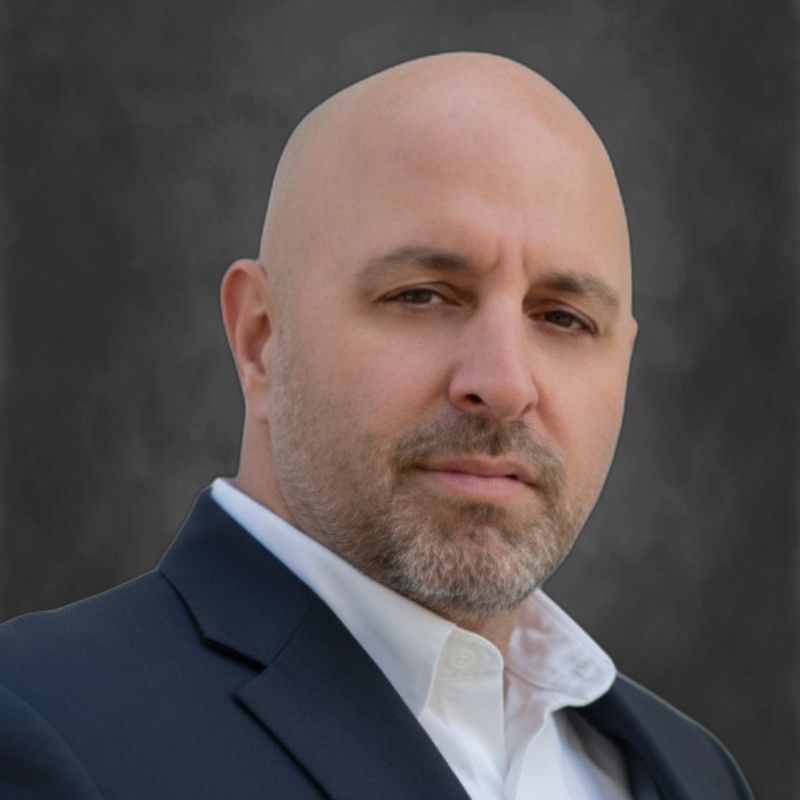
CEO/Co-Founder @ Oatmeal Health | AI Lung Cancer Screening | Almost Became a Doctor | Engineer | Follow to Share What I’ve Learned Along the Way
I help patients get the care they need earlier, preventing late-stage cancer.
That’s been the throughline across three companies and almost 20 years in healthcare. At ReferralMD, we fixed broken referral networks so patients didn’t fall through the cracks. At Oatmeal Health, it’s lung cancer: building the diagnostic and screening infrastructure so the 85% of cases caught too late get caught early instead.
Today as CEO of Oatmeal Health, I lead a team embedding AI into radiology workflows to turn routine lung CT scans into reimbursable cancer risk assessments. We partner with FQHCs to reach underserved communities, and with health systems and payers to make early detection economically sustainable. Think HeartFlow or Cleerly, but for lungs.
Between companies, I advised at Techstars and Plug and Play, mentoring founders building in digital health. That experience shaped how I think about what separates companies that ship from companies that stall: distribution, reimbursement, and clinical trust, not just technology.
I’m a CancerX alumnus, a 3x healthcare founder, and someone who believes the biggest problems in cancer aren’t scientific. They’re operational.
We’re hiring mission-driven builders at Oatmeal Health. If you want to work on something that matters, reach out.
When I’m not working, I’m traveling, mentoring, and keeping up with one very energetic husky. 🐾
Substack – The Oatmeal Bite:
Millions of patients get less care because of who they are, where they live, or how they look. I’m fighting to change that. CEO @OatmealHealth, a startup built for the underserved. The Oatmeal Bite: intel for clinicians, investors, and advocates.
Jonathan Govette
CEO of Oatmeal Health
Substack:
https://oatmealhealthjonathangovette.substack.com/