Share this article and save a life!
It is no surprise that the smart crew at MIT and Mass General have shown that they can predict lung cancer from a single CT scan.
It will be a while before this is standard of care, however, this method, or blood tests, or breath tests, will be very helpful in the quest to get the right patient screened at the right time, including others with increased risk of lung cancer, including patients without a history of smoking. Researchers at Mass General Cancer Center and Massachusetts Institute of Technology created a tool known as Sybil.
“Based on analyses of LDCT scans from patients in the U.S. and Taiwan, Sybil accurately predicted the risk of lung cancer for individuals with or without a significant smoking history. Instead of assessing individual environmental or genetic risk factors, we’ve developed a tool that can use images to look at collective biology and make predictions about cancer risk. Sybil requires only one LDCT and does not depend on clinical data or radiologist annotations,” said co-author Florian Fintelmann MD of Mass General Hospital “It was designed to run in real-time in the background of a standard radiology reading station which enables point-of care clinical decision support.”
“Sybil can look at an image and predict the risk of a patient developing lung cancer within six years,” said co-author and Jameel Clinic faculty lead Regina Barzilay PhD of MIT Koch Institute for Integrative Cancer Research. “I am excited about translational efforts led by the MGH team that are aiming to change outcomes for patients who would otherwise develop advanced disease.”
The researchers note that this is a retrospective study, and prospective studies that follow patients going forward are needed to validate Sybil. In addition, the U.S. participants in the study were overwhelmingly white (92 percent), and future studies will be needed to determine if Sybil can accurately predict lung cancer among diverse populations.
“In our study, Sybil was able to detect patterns of risk from the LDCT that were not visible to the human eye,” said Lecia Sequist, MD, MPH, director of the Center for Innovation in Early Cancer Detection and a lung cancer medical oncologist at the Mass General Cancer Center.
“We’re excited to further test this program to see if it can add information that helps radiologists with diagnostics and sets us on a path to personalize screening for patients.”
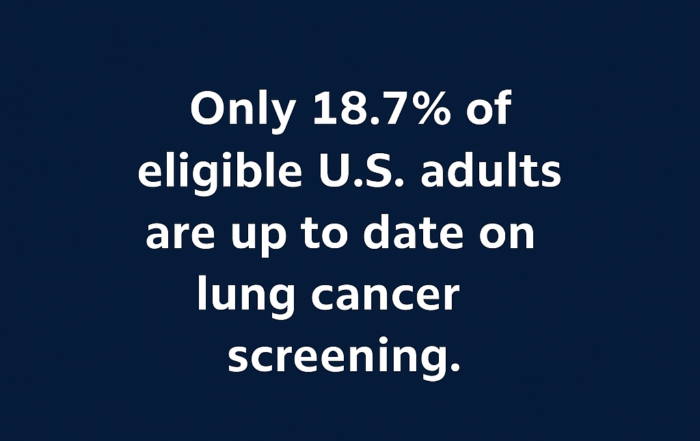
Improving access and education to improve screening rates is critical
Improving lung cancer screening efficiency and compliance for all patients is at the heart of Oatmeal Health’s mission. With a new #HEDIS measure on the horizon from NCQA, we would like to help FQHCs be prepared.
The technology may be advanced, but the biggest obstacles are identifying qualified patients and ensuring they attend regular screenings. Without frequent screenings, radiologists are unable to perform their duties and early detection of cancer is hindered, leading to loss of life.
We are ready to help. Please send us a note if you’d like to learn more about Oatmeal Health.
#primarycare #radiology #lungcancerscreening #FQHC
Thank you to Mass General Hospital for the article.
Share this article and save a life!
Author:
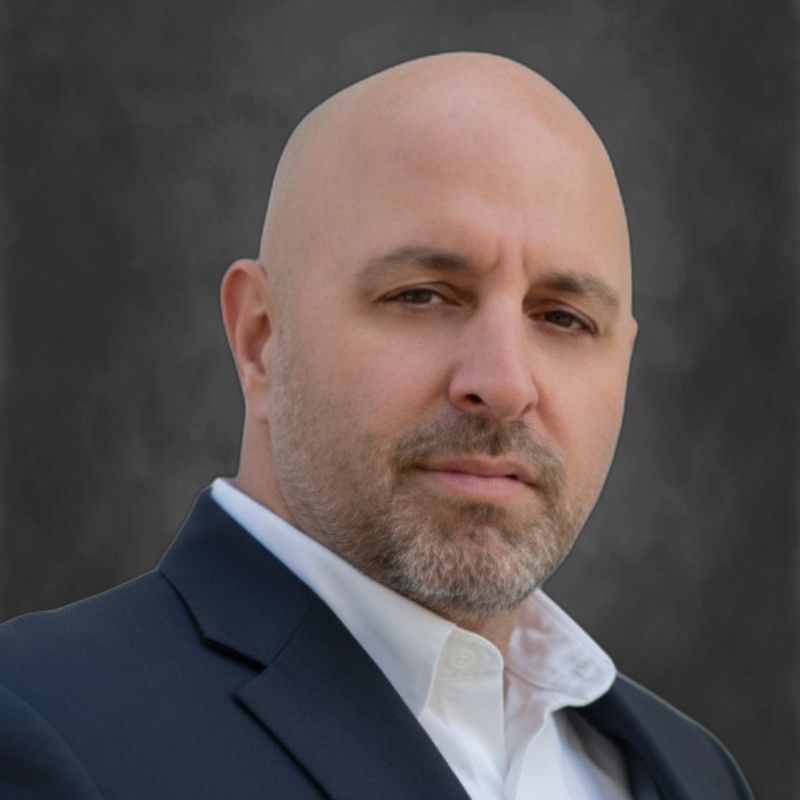
CEO/Co-Founder @ Oatmeal Health | AI Lung Cancer Screening | Almost Became a Doctor | Engineer | Follow to Share What I’ve Learned Along the Way
I help patients get the care they need earlier, preventing late-stage cancer.
That’s been the throughline across three companies and almost 20 years in healthcare. At ReferralMD, we fixed broken referral networks so patients didn’t fall through the cracks. At Oatmeal Health, it’s lung cancer: building the diagnostic and screening infrastructure so the 85% of cases caught too late get caught early instead.
Today as CEO of Oatmeal Health, I lead a team embedding AI into radiology workflows to turn routine lung CT scans into reimbursable cancer risk assessments. We partner with FQHCs to reach underserved communities, and with health systems and payers to make early detection economically sustainable. Think HeartFlow or Cleerly, but for lungs.
Between companies, I advised at Techstars and Plug and Play, mentoring founders building in digital health. That experience shaped how I think about what separates companies that ship from companies that stall: distribution, reimbursement, and clinical trust, not just technology.
I’m a CancerX alumnus, a 3x healthcare founder, and someone who believes the biggest problems in cancer aren’t scientific. They’re operational.
We’re hiring mission-driven builders at Oatmeal Health. If you want to work on something that matters, reach out.
When I’m not working, I’m traveling, mentoring, and keeping up with one very energetic husky. 🐾
Substack – The Oatmeal Bite:
Millions of patients get less care because of who they are, where they live, or how they look. I’m fighting to change that. CEO @OatmealHealth, a startup built for the underserved. The Oatmeal Bite: intel for clinicians, investors, and advocates.
Jonathan Govette
CEO of Oatmeal Health
Substack:
https://oatmealhealthjonathangovette.substack.com/