

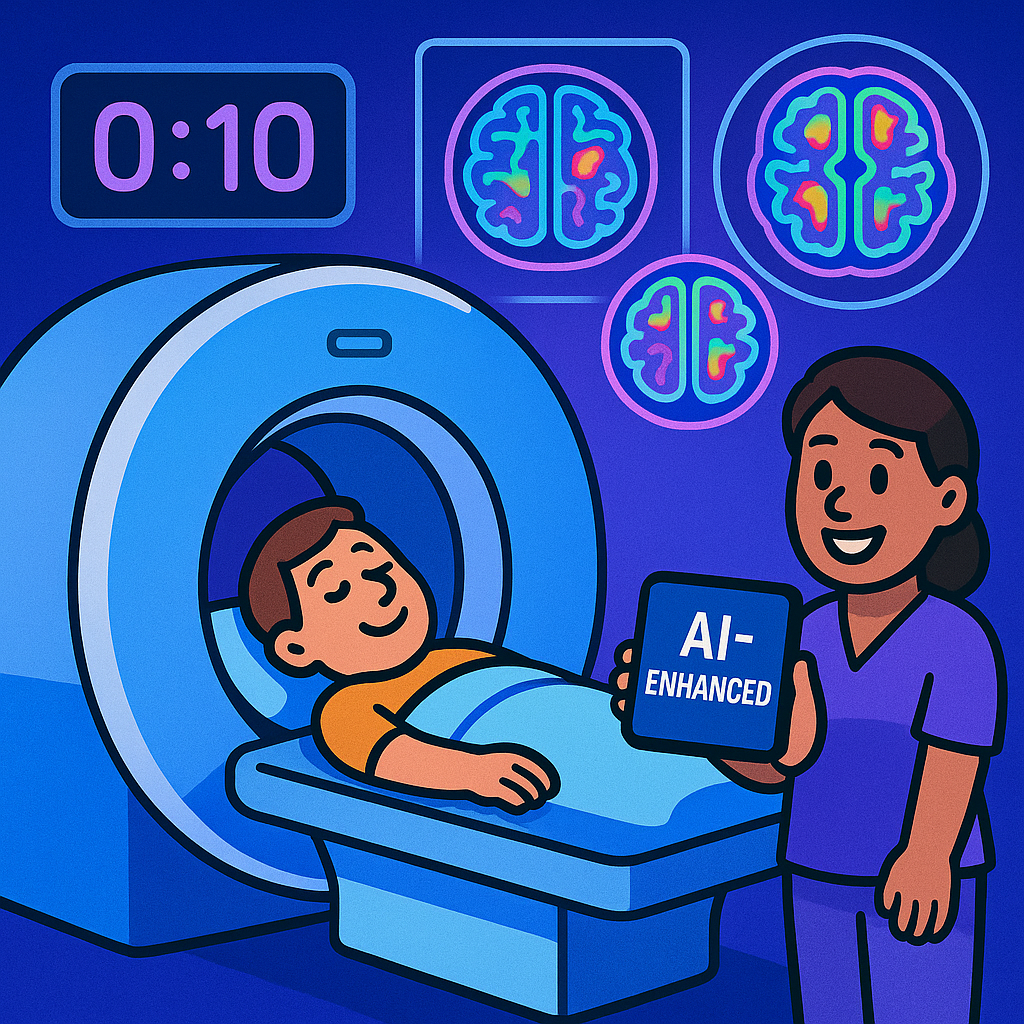
AI-Powered Rapid Diagnostics Revolution
The rumors are true: We've officially entered the AI diagnostic revolution in healthcare. The FDA has now approved over 1,250 AI-enabled medical devices, with 750+ in radiology alone. But it's not just about quantity - the quality and capability advancements are mind-blowing. 🔍 Philips' new SmartSpeed Precise technology is a game-changer, delivering: • Brain scans in under 10 SECONDS (vs. traditional 30+ minutes) • Up to 3X faster overall scan times • 80% sharper images with enhanced detail This isn't incremental improvement - it's transformative. For patients: Less time in the claustrophobic tube, fewer motion artifacts, and dramatically reduced waiting lists. One hospital system reported cutting their MRI backlog by 61% in just three months. For radiologists: Higher throughput without ...
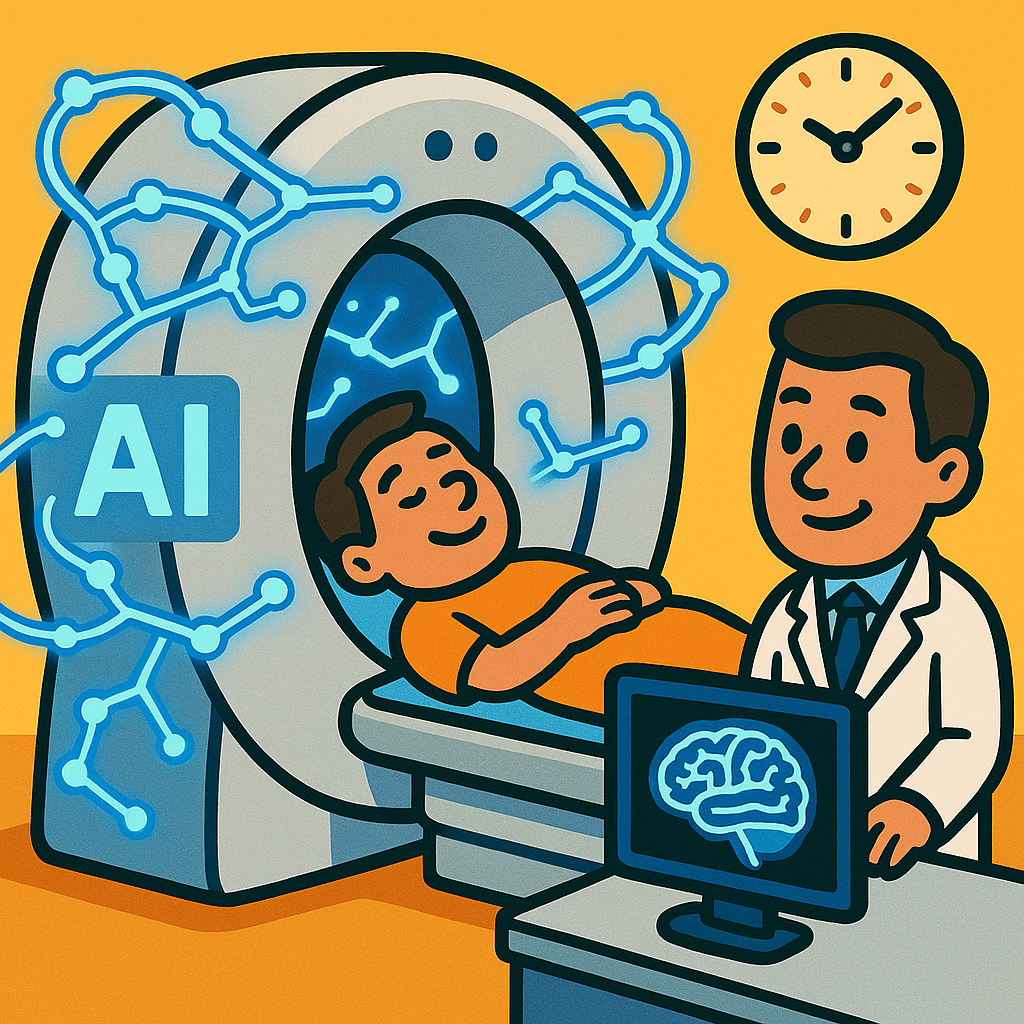
AI-Powered MRI Breakthrough
I've just analyzed Philips' new SmartSpeed Precise dual-AI MRI technology, and it's a game-changer for radiology departments struggling with efficiency and staffing challenges. Here's why this matters right now: The average imaging center faces a 15% radiologist shortage while demand for complex MRI studies continues to climb. Patient backlogs are stretching into weeks at many facilities. Philips' breakthrough directly addresses these pain points with impressive results: • Scan times cut by up to 66% (that's 3x faster) • Image sharpness improved by 80% • Complete multi-parametric whole-body exams in under 60 minutes • Capacity for 2+ additional patients daily per scanner What makes this technology unique is the dual-AI approach - one AI engine accelerates acquisition while another simultaneously enhances ...
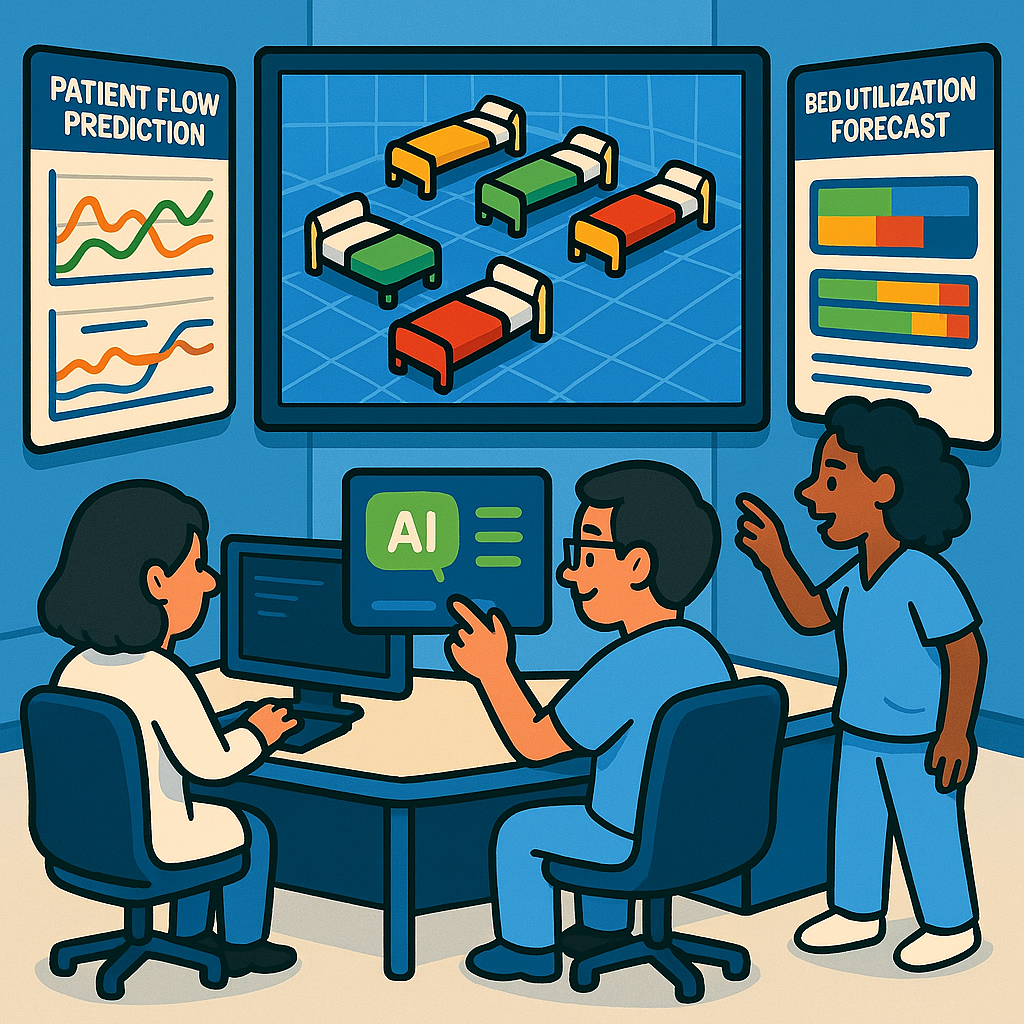
AI Hospital Command Centers
The capacity crisis in hospitals isn't going away. But some forward-thinking healthcare systems have found a solution that doesn't involve construction crews or capital campaigns. They're deploying AI-powered command centers that can see the future. New data from March 2025 reveals these predictive analytics systems are delivering remarkable results: • 12.6% increase in effective capacity WITHOUT physical expansion (equivalent to adding ~30 beds per 250-bed hospital) • 94.7% accuracy in predicting bed demand up to 48 hours in advance • 19.3% reduction in ED boarding times • $3.8 million average annual savings per hospital How do they work? These intelligent systems analyze up to 150 variables per patient encounter in real-time, from vitals and lab values to historical discharge patterns ...
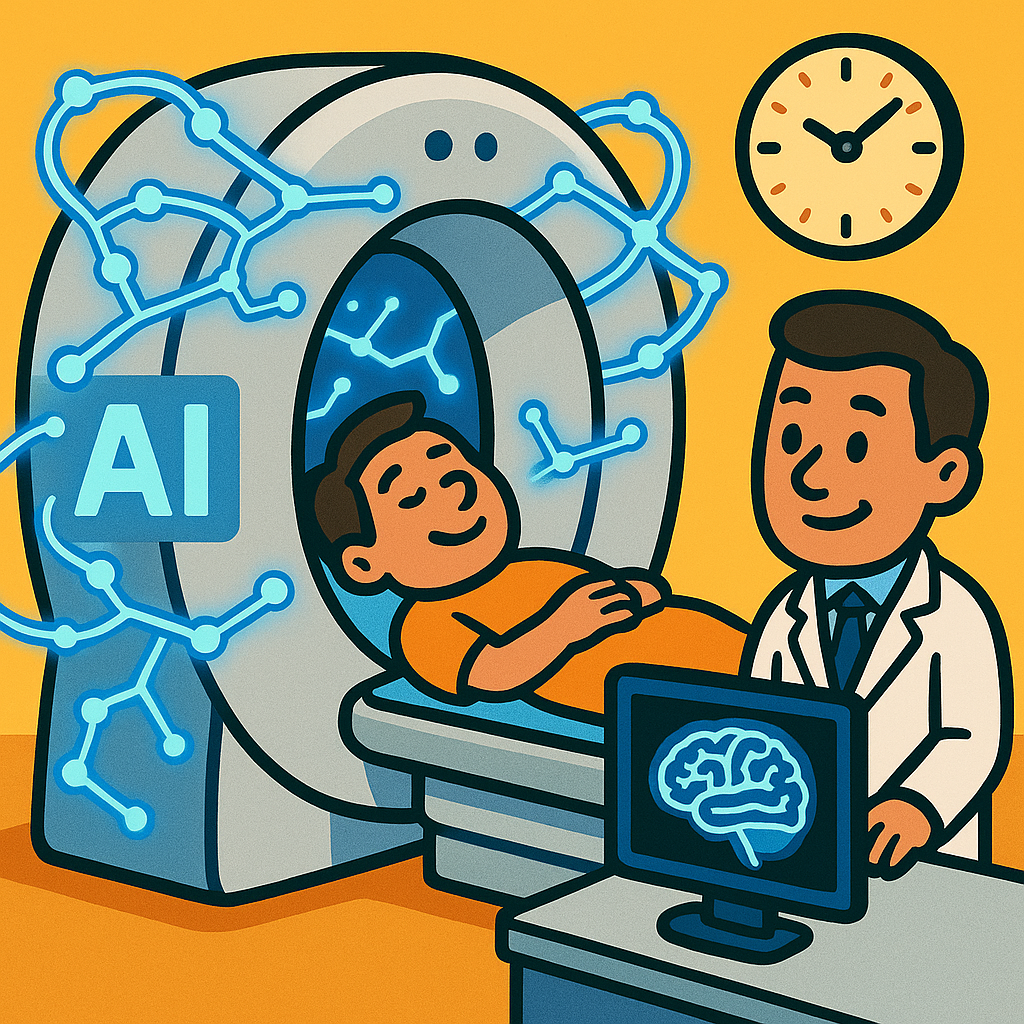
AI-Powered MRI Breakthrough
I've just analyzed Philips' new SmartSpeed Precise dual-AI MRI technology, and it's a game-changer for radiology departments struggling with efficiency and staffing challenges. Here's why this matters right now: The average imaging center faces a 15% radiologist shortage while demand for complex MRI studies continues to climb. Patient backlogs are stretching into weeks at many facilities. Philips' breakthrough directly addresses these pain points with impressive results: • Scan times cut by up to 66% (that's 3x faster) • Image sharpness improved by 80% • Complete multi-parametric whole-body exams in under 60 minutes • Capacity for 2+ additional patients daily per scanner What makes this technology unique is the dual-AI approach - one AI engine accelerates acquisition while another simultaneously enhances ...

AI Hospital Command Centers
The capacity crisis in hospitals isn't going away. But some forward-thinking healthcare systems have found a solution that doesn't involve construction crews or capital campaigns. They're deploying AI-powered command centers that can see the future. New data from March 2025 reveals these predictive analytics systems are delivering remarkable results: • 12.6% increase in effective capacity WITHOUT physical expansion (equivalent to adding ~30 beds per 250-bed hospital) • 94.7% accuracy in predicting bed demand up to 48 hours in advance • 19.3% reduction in ED boarding times • $3.8 million average annual savings per hospital How do they work? These intelligent systems analyze up to 150 variables per patient encounter in real-time, from vitals and lab values to historical discharge patterns ...
FDA’s Historic AI Multi-Triage Approval
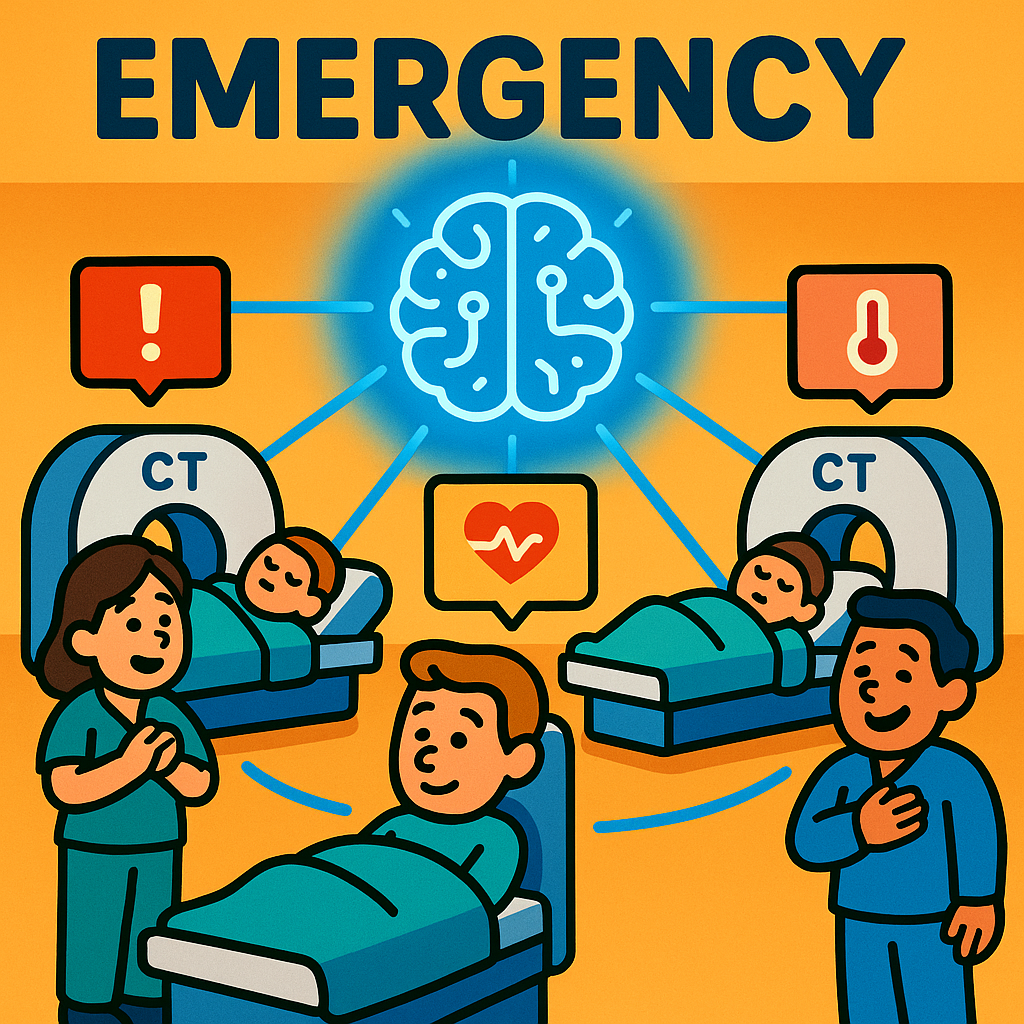
In the chaos of today's emergency departments, critical cases are still missed. Until now. The FDA just made history by granting Breakthrough Device Designation to Aidoc's revolutionary multi-triage AI solution. This marks the first time the FDA has recognized an AI system capable of detecting multiple life-threatening conditions simultaneously within a single workflow. 🏥 Why this matters right now: • Emergency departments are drowning. In 2025, over 25% of admitted patients wait 4+ hours for a bed, with many waiting beyond 24 hours. • Physician and nurse shortages continue to worsen, creating dangerous bottlenecks in care delivery. • Each minute counts for stroke, pulmonary embolism, and aortic dissection patients - conditions this AI can now flag instantly. What makes this ...

AI Triage: Radiology’s Crisis Solution
The numbers are alarming: we're facing a shortage of up to 42,000 radiologists by 2033, while imaging demand continues to skyrocket. But there's a bright spot amid this staffing crisis, and it's happening right now. New AI triage systems are transforming radiology departments across the country by automatically flagging life-threatening conditions and reordering worklists to ensure urgent cases receive immediate attention. Here's what the latest data reveals: 🔍 AI-powered triage systems reduce average turnaround times from 80 minutes to just 35 minutes for critical cases 🔍 These systems can identify lung nodules 26% faster and detect 29% of previously missed nodules 🔍 Smart workflow orchestration automatically delegates cases to the right subspecialist, balancing workloads across networks The impact goes beyond ...

AI Triage Revolution in Radiology
The 60-minute window that's saving lives in radiology departments AI triage systems are revolutionizing emergency radiology in 2025, and the numbers are stunning. New data released this month shows AI-powered triage is cutting critical finding detection times by an average of 60 minutes in emergency departments nationwide. 🚨 Here's what's happening: When a stroke, pulmonary embolism, or brain hemorrhage appears on a scan, AI instantly flags it for immediate review, rather than letting it sit in chronological order with dozens of routine studies. The impact? Dramatic reductions in time-to-treatment: • 32% faster overall report turnaround times • 83% reduction in fracture detection delays • 67% fewer missed critical findings These aren't just efficiency metrics, they're life-changing differences for patients where ...