


Join Oatmeal Health and Help Underserved Americans get Screened for Lung Cancer
Today’s healthcare isn’t working for most Americans Americans using Medicare and Medicaid are left behind when it comes to education and access to life’s most critical health options. We want to change that with life-saving preventative screenings leveraging artificial intelligence before health worsens while delivering a better experience to families, employers, clinicians, and health plans. Join the cause: If you are a health plan, employer, union, or health system and want to help all Americans gain access and education to a life-saving screening, or join us with in-kind support, contact us to discover how a partnership could benefit our organizations. Contact Us: Please email Ty Vachon, the Chief Executive Officer and radiologist of Oatmeal Health at Ty@oatmealhealth.com for more information ...
Fighting Lung Cancer Together – Lung Cancer Research Foundation and Oatmeal Health
Lung Cancer Research Foundation Resources for Patients and Caregivers After finding out you (or a loved one) have lung cancer, you may wonder what this diagnosis means for your future and your health. The first thing to know is there is a reason for hope. Much progress is being made for people diagnosed with lung cancer every day. A key part of living with lung cancer is learning the facts and staying informed. We can help. How We Can Help Patient & Caregiver Educational Materials We provide up-to-date and credible sources of information on diagnosis, treatment, and what to expect from treatment through our free educational materials. We also have tools to help you facilitate discussions with your healthcare team ...

USPSTF’s Latest Lung Screening Recs Likely to Reduce Disparities
Updated lung cancer screening criteria from the U.S. Preventive Services Task Force (USPSTF) are expected to succeed in broadening eligibility and reducing racial disparities in access to screening, researchers reported. The new 2021 guidelines "effectively eliminated the racial disparity in eligibility seen with the previous fixed-criteria models" of the National Lung Screening Trial (NLST), the 2013 USPSTF recommendations, and the National Comprehensive Cancer Network (NCCN) group 2 guidelines, according to Chan Yeu Pu, MD, of Wayne State University School of Medicine and Karmanos Cancer Institute in Detroit, and colleagues, writing in JAMA Oncology. Their retrospective study of close to 1,000 patients with lung cancer and nearly 1,500 controls without lung cancer found that the sensitivity of the new USPSTF criteria was better ...

Blood Test Helps Identify Who Will Benefit From Lung Cancer Screening
A blood test combined with a risk model accounting for a person's individual characteristics -- including age and smoking status -- accurately predicted who will benefit from low-dose CT lung cancer screening, according to a validation study. Among participants from the Prostate, Lung, Colorectal, and Ovarian (PLCO) Cancer Screening Trial who had a ≥10 pack-year smoking history, the four-marker protein panel, and the risk model would have identified 9.2% more lung cancer cases for screening among the 119 patients who would otherwise receive a lung cancer diagnosis within a year, and would reduce referral to screening by 13.7% among 16,356 non-cases otherwise referred for annual screening, compared with the 2021 U.S. Preventive Services Task Force (USPSTF) criteria, reported Samir Hanash, MD, ...

Medicare Spent Hundreds of Millions on Cancer Drugs Confirmed to Have No Benefit
(Reuters Health) - In 2017-2019, the health benefits program for U.S. seniors spent an estimated $569 million on four cancer drugs that had received accelerated approval but later proved to have no survival benefit, according to a new study. During the study period, Medicare Parts B and D paid for the four drugs, which have since been confirmed to have no benefit to overall survival for 10 indications originally approved under the U.S. Food and Drug Administration's accelerated pathway. Of the total expenditure, $224 million was spent on six indications that were either voluntarily withdrawn by the manufacturer in the past year or recommended for withdrawal by the FDA's Oncologic Drugs Advisory Committee (ODAC), the authors report in JAMA Internal ...
An Open Letter in Support of State Medicaid Coverage for Lung Cancer Screening
We write in support of state Medicaid coverage for lung cancer screening for individuals at high risk. Lung cancer is the nation’s leading cancer killer of both women and men in the United States. An estimated 228,150 new cases of lung cancer were expected to be diagnosed in 2019, and 142,670 people are expected to lose their lives. Despite the tragic impact lung cancer has on our nation, many state Medicaid programs do not currently cover lung cancer screening for individuals at high risk. Our organizations believe that every state Medicaid program should cover this life-saving preventive health service in all fee-for-service and managed care plans. Detecting lung cancer in the early stages versus the late stages is often the ...
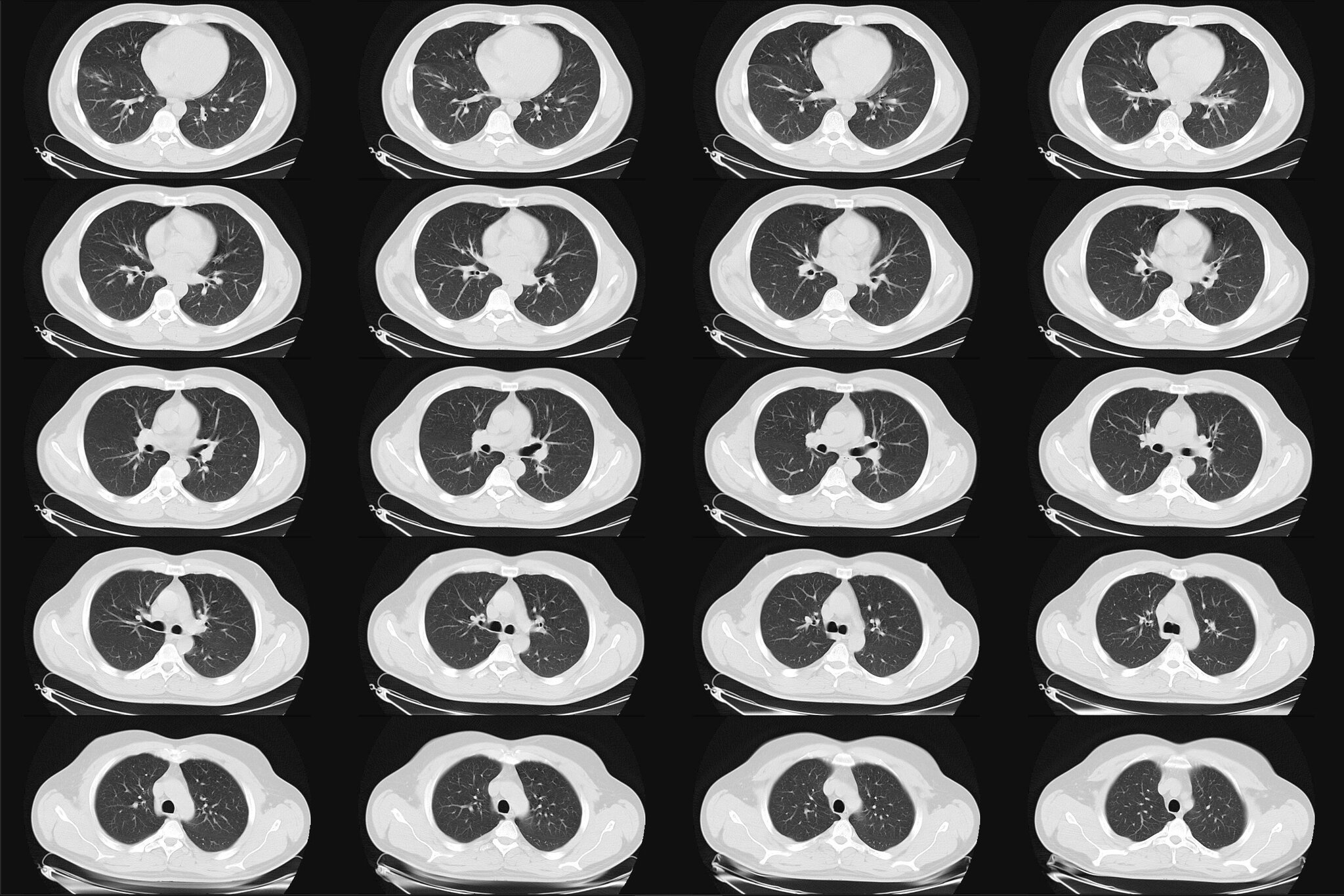
Lung Cancer Screening Is Cost-Effective, but Only If Done Correctly
Clinical Question Is screening for lung cancer with low-dose chest computed tomography (CT) cost-effective in high-risk persons? Bottom Line The U.S. Preventive Services Task Force (USPSTF) gave lung cancer screening a B recommendation on the basis of the reductions in disease-specific mortality and all-cause mortality seen in the National Lung Screening Trial (NLST). The NLST does not consider cost or cost-effectiveness in its recommendations. This cost-effectiveness analysis suggests that screening is most cost-effective for current smokers, for patients in their 60s, and for those who are at higher risk of lung cancer. (Level of Evidence = 1b) Synopsis The USPSTF recently gave screening for lung cancer using low-dose chest CT a B recommendation, largely on the basis of the results ...