Share this article and save a life!
At some point, it won’t be realistic to expect primary care providers to do ‘one more thing.’ due to limited time in their already packed schedule, as noted in an article Jonathan Govette wrote called “The Battle Between Primary Care and Time: The Doctors are Losing”
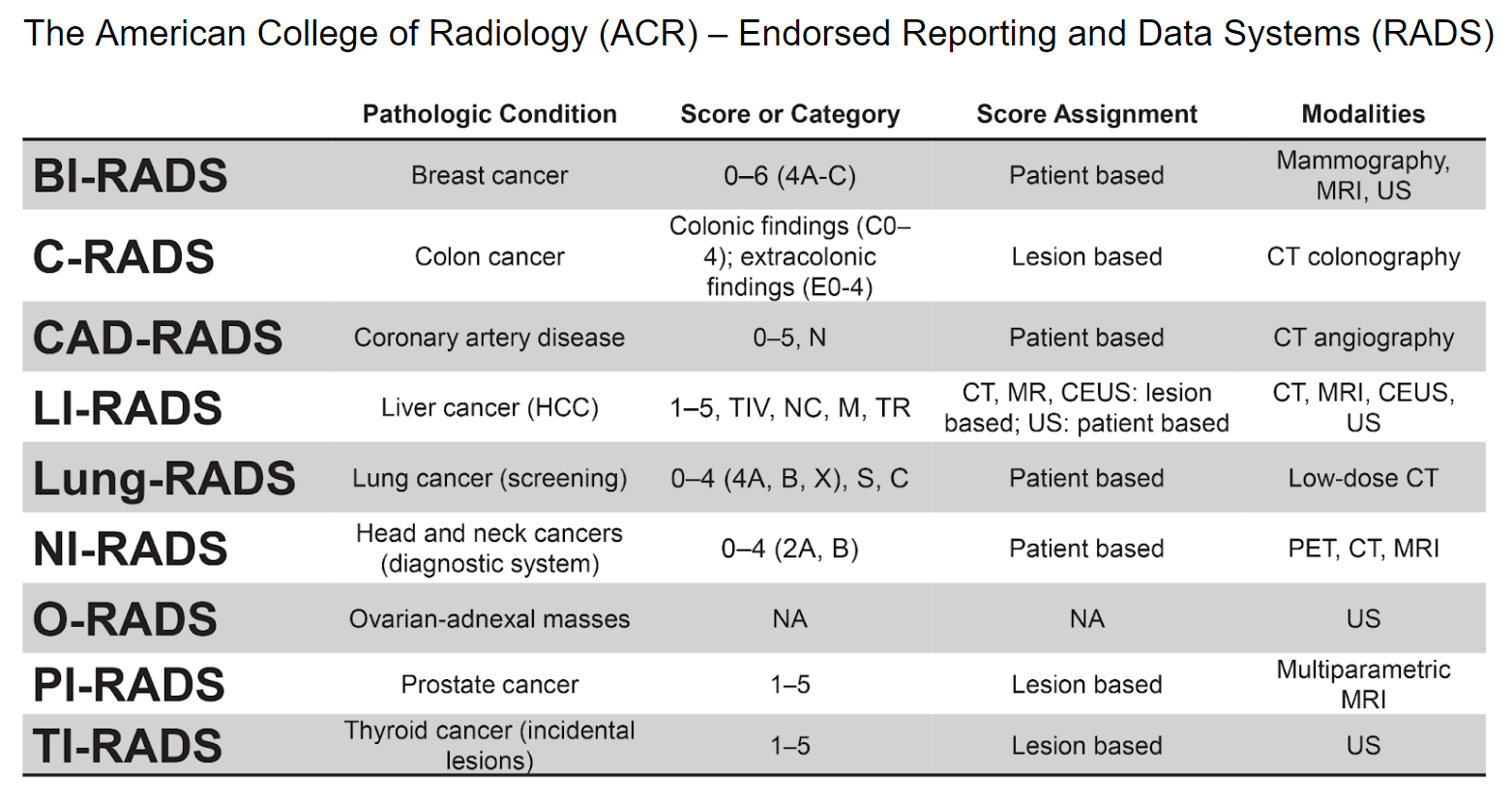
In the early 90s, radiology created an important system to improve breast cancer screening and reporting called BI-RADS. New areas have been added and the list is now up to 9, including liver, thyroid, and lung. And there are 6 more in the works. These are critical to systematizing the valuable data extracted from imaging.
What is RADS, and why is it important?
“Imaging RADS” refer to the Radiology Reporting and Data System, a standardized system used to interpret and report the results of medical imaging studies, such as X-rays, CT scans, and MRI scans. This system helps radiologists communicate their findings clearly and consistently to other healthcare providers.
Primary care providers, who are usually the first point of contact for patients seeking medical care, may not be as familiar with the Radiology Reporting and Data System as radiologists or other specialists who routinely interpret imaging studies. This can make it difficult for them to understand the results of imaging studies and to determine the appropriate course of action based on those results.
Additionally, primary care providers may not have the specialized training or experience needed to interpret complex imaging studies or to identify subtle abnormalities that may be missed by less experienced clinicians. As a result, they may not always be able to provide the most accurate diagnosis or recommend the most appropriate treatment based on the imaging findings.
To address these challenges, it is important for primary care providers to collaborate closely with radiologists and other specialists who are experienced in interpreting imaging studies. This can help ensure that patients receive the most accurate diagnosis and appropriate treatment based on their imaging results. Additionally, ongoing education and training can help primary care providers improve their understanding of imaging RADS and their ability to manage them effectively.
Not enough time to manage everything properly
While there may be similarities between different reporting systems, each one also has its own unique aspects. Moreover, asking healthcare providers to manage all of these systems along with their other clinical responsibilities may not be sustainable. Educating patients about the importance of screening and explaining their results in detail can be time-consuming.
On top of this, ensuring that patients follow up appropriately and tracking compliance metrics at scale could be a full-time job for a practice. While large health systems may be able to centralize these processes, smaller clinics may struggle to do so.
Get in touch to help us fix this issue:
Oatmeal Health would like to help. Please send Jonathan Govette, or me (Ty Vachon M.D) a message if you’d like to learn more.
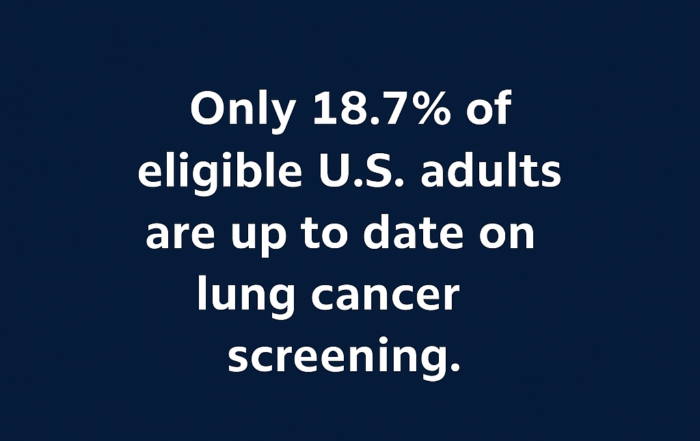
Centers for Medicare & Medicaid Services expanded lung cancer screening guidelines earlier this year to include up to 14.5M patients. Only 5% are screened.
Now is a good time as any to build a platform to carefully and efficiently screen our patients at scale.
Share this article and save a life!
Author:

CEO/Co-Founder @ Oatmeal Health | AI Lung Cancer Screening | Almost Became a Doctor | Engineer | Follow to Share What I’ve Learned Along the Way
I help patients get the care they need earlier, preventing late-stage cancer.
That’s been the throughline across three companies and almost 20 years in healthcare. At ReferralMD, we fixed broken referral networks so patients didn’t fall through the cracks. At Oatmeal Health, it’s lung cancer: building the diagnostic and screening infrastructure so the 85% of cases caught too late get caught early instead.
Today as CEO of Oatmeal Health, I lead a team embedding AI into radiology workflows to turn routine lung CT scans into reimbursable cancer risk assessments. We partner with FQHCs to reach underserved communities, and with health systems and payers to make early detection economically sustainable. Think HeartFlow or Cleerly, but for lungs.
Between companies, I advised at Techstars and Plug and Play, mentoring founders building in digital health. That experience shaped how I think about what separates companies that ship from companies that stall: distribution, reimbursement, and clinical trust, not just technology.
I’m a CancerX alumnus, a 3x healthcare founder, and someone who believes the biggest problems in cancer aren’t scientific. They’re operational.
We’re hiring mission-driven builders at Oatmeal Health. If you want to work on something that matters, reach out.
When I’m not working, I’m traveling, mentoring, and keeping up with one very energetic husky. 🐾
Substack – The Oatmeal Bite:
Millions of patients get less care because of who they are, where they live, or how they look. I’m fighting to change that. CEO @OatmealHealth, a startup built for the underserved. The Oatmeal Bite: intel for clinicians, investors, and advocates.
Jonathan Govette
CEO of Oatmeal Health
Substack:
https://oatmealhealthjonathangovette.substack.com/