Share this article and save a life!
The 60-minute window that’s saving lives in radiology departments
AI triage systems are revolutionizing emergency radiology in 2025, and the numbers are stunning.
New data released this month shows AI-powered triage is cutting critical finding detection times by an average of 60 minutes in emergency departments nationwide. 🚨
Here’s what’s happening:
When a stroke, pulmonary embolism, or brain hemorrhage appears on a scan, AI instantly flags it for immediate review, rather than letting it sit in chronological order with dozens of routine studies.
The impact? Dramatic reductions in time-to-treatment:
• 32% faster overall report turnaround times
• 83% reduction in fracture detection delays
• 67% fewer missed critical findings
These aren’t just efficiency metrics, they’re life-changing differences for patients where minutes matter.
What makes the current generation of AI triage different is how it’s implemented. Rather than trying to replace radiologists, these systems function as intelligent safety nets that work alongside clinical teams.
The AI monitors incoming studies 24/7, instantly identifying potential emergencies and reordering worklists to ensure urgent cases get immediate attention. This allows advanced practice providers to begin stabilizing patients while radiologists validate findings.
One emergency medicine physician I spoke with put it perfectly: “On any given day, we might have 100 images waiting for review. AI helps us find the needle in the haystack – the diagnosis that could save a life today.”
Northwestern Medicine’s system has demonstrated productivity gains up to 40% for radiographs, with unpublished studies showing 80% efficiency improvements for CT scans.
The technology is particularly valuable during nights and weekends when staffing is limited. One Level I trauma center reported that overnight critical findings are now identified an average of 3.7 hours faster.
What’s most encouraging? This isn’t theoretical research anymore – these systems are deployed in over 1,600 hospitals worldwide, with documented impact on patient outcomes.
The radiology community has evolved from asking “Will AI replace us?” to “How quickly can we implement this to help our patients?”
The future of radiology isn’t about AI versus radiologists. It’s about AI plus radiologists creating care that’s faster, more accurate, and ultimately more human-centered.
What do you think? Is your organization implementing AI triage? What results are you seeing?
Share this article and save a life!
Author:
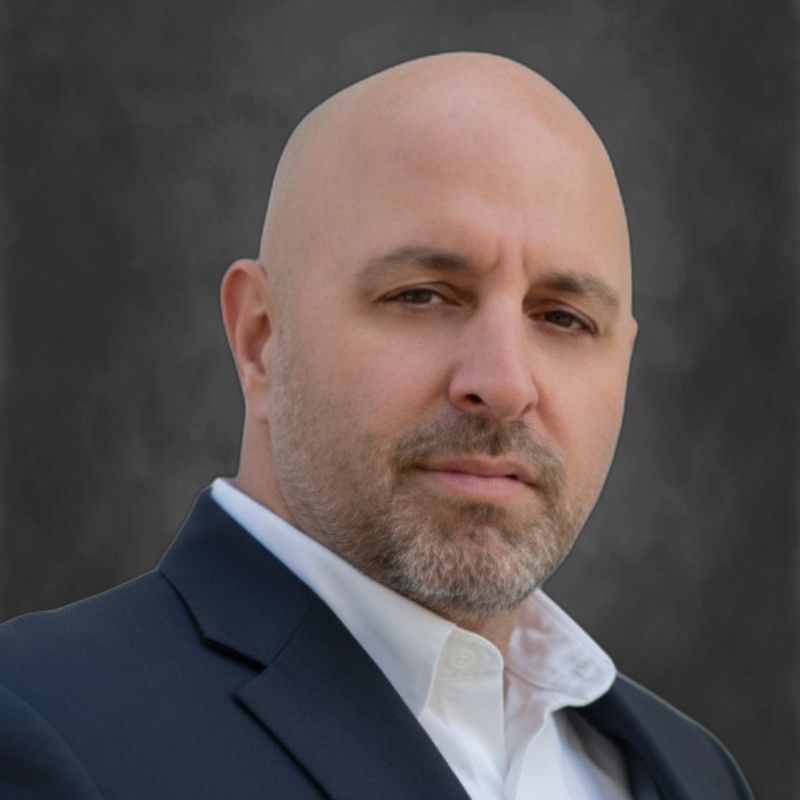
CEO/Co-Founder @ Oatmeal Health | AI Lung Cancer Screening | Almost Became a Doctor | Engineer | Follow to Share What I’ve Learned Along the Way
I help patients get the care they need earlier, preventing late-stage cancer.
That’s been the throughline across three companies and almost 20 years in healthcare. At ReferralMD, we fixed broken referral networks so patients didn’t fall through the cracks. At Oatmeal Health, it’s lung cancer: building the diagnostic and screening infrastructure so the 85% of cases caught too late get caught early instead.
Today as CEO of Oatmeal Health, I lead a team embedding AI into radiology workflows to turn routine lung CT scans into reimbursable cancer risk assessments. We partner with FQHCs to reach underserved communities, and with health systems and payers to make early detection economically sustainable. Think HeartFlow or Cleerly, but for lungs.
Between companies, I advised at Techstars and Plug and Play, mentoring founders building in digital health. That experience shaped how I think about what separates companies that ship from companies that stall: distribution, reimbursement, and clinical trust, not just technology.
I’m a CancerX alumnus, a 3x healthcare founder, and someone who believes the biggest problems in cancer aren’t scientific. They’re operational.
We’re hiring mission-driven builders at Oatmeal Health. If you want to work on something that matters, reach out.
When I’m not working, I’m traveling, mentoring, and keeping up with one very energetic husky. 🐾
Substack – The Oatmeal Bite:
Millions of patients get less care because of who they are, where they live, or how they look. I’m fighting to change that. CEO @OatmealHealth, a startup built for the underserved. The Oatmeal Bite: intel for clinicians, investors, and advocates.
Jonathan Govette
CEO of Oatmeal Health
Substack:
https://oatmealhealthjonathangovette.substack.com/