Share this article and save a life!
Medicaid just drew a line that science says is wrong.
And millions of people in long-term recovery are standing on the wrong side of it.
The One Big Beautiful Bill passed about a year ago. It drastically altered Medicaid. Now we are in the rulemaking phase, where CMS explains to the public exactly how those changes get implemented. According to Faces and Voices of Recovery, we are in the midst of a rulemaking process that is highly complex and covers several aspects of the legislation.
Two provisions deserve your full attention right now.
First: work requirements for Medicaid recipients. There is a Medically Frail exemption, but it requires you to meet one of five specific categories:
• Blind or disabled
• Have a substance use disorder
• Have a disabling mental disorder
• Have a physical, intellectual, or developmental disability
• Have a serious or complex medical condition
Meeting one of those categories is not enough. You must also demonstrate impaired capacity to meet work requirements. Two gates, not one. That is a meaningful barrier.
Second: there is an exception for individuals in a qualifying SUD treatment program. But the exemption excludes individuals in recovery for five years or more.
Here is what nobody is talking about:
The rule justifies that exclusion by claiming that people in recovery for five or more years are at no higher risk for drug use than the general population. According to Faces and Voices of Recovery, that claim is not scientifically accurate.
Policy is being written on a false premise.
That is not a procedural concern. That is a public health problem. When the scientific basis of a rule is wrong, the people harmed by that rule are real.
The Medicaid Science Alignment Test:
Before any exemption threshold gets finalized, ask three questions:
1. Is the scientific claim in the rule’s preamble supported by peer-reviewed evidence?
2. Does the threshold create a cliff that punishes progress, like penalizing five years of sustained recovery?
3. Who loses access when the rule is wrong, and do they have a voice in the rulemaking?
If the answer to question one is no, everything downstream is built on sand.
There are also caps on State Directed Payments moving through this same rulemaking, which could have a substantial impact on SUD services more broadly. That piece is still unfolding.
The conventional read on this is that work requirements are a fiscal discipline measure. I think that framing misses what is actually happening. This is a values document dressed up as a budget tool. The five-year recovery cliff does not save money. It just makes recovery look like a temporary condition rather than a lifelong process.
What happens next is a comment period. That comment period matters more than most people realize. If the scientific foundation of the Medically Frail exemption goes unchallenged in the public record, the final rule will carry that flaw into implementation.
Save this before your next advocacy call or comment letter deadline. The specific exemption language is the lever.
👉 Follow Jonathan Govette, CEO of Oatmeal Health, for daily healthcare insights on LinkedIn. Deeper dives in The Oatmeal Bite on Substack: https://news.oatmealhealth.com
Share this article and save a life!
Author:
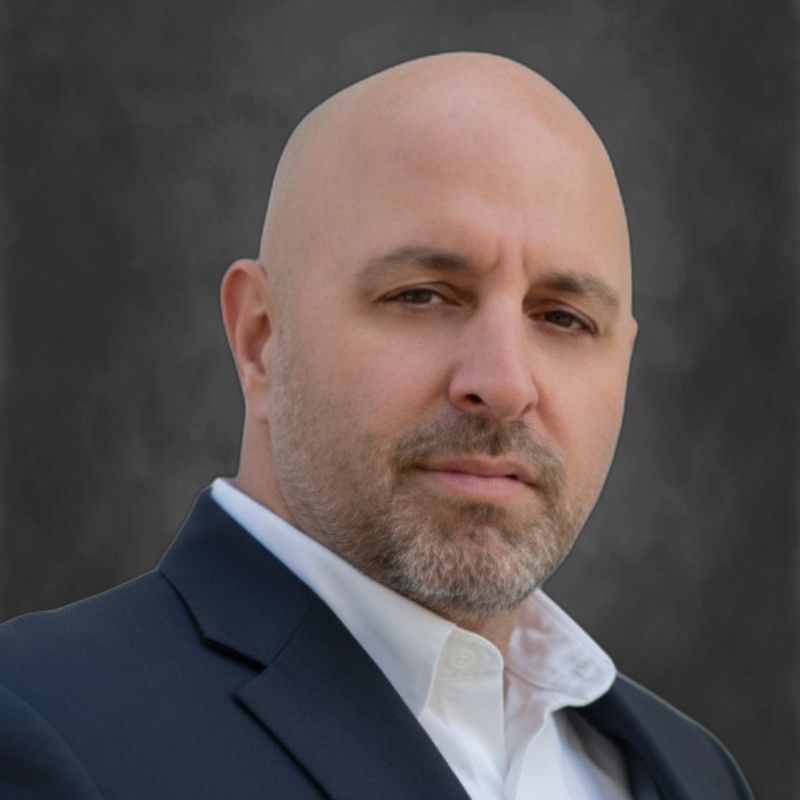
CEO/Co-Founder @ Oatmeal Health | AI Lung Cancer Screening | Almost Became a Doctor | Engineer | Follow to Share What I’ve Learned Along the Way
I help patients get the care they need earlier, preventing late-stage cancer.
That’s been the throughline across three companies and almost 20 years in healthcare. At ReferralMD, we fixed broken referral networks so patients didn’t fall through the cracks. At Oatmeal Health, it’s lung cancer: building the diagnostic and screening infrastructure so the 85% of cases caught too late get caught early instead.
Today as CEO of Oatmeal Health, I lead a team embedding AI into radiology workflows to turn routine lung CT scans into reimbursable cancer risk assessments. We partner with FQHCs to reach underserved communities, and with health systems and payers to make early detection economically sustainable. Think HeartFlow or Cleerly, but for lungs.
Between companies, I advised at Techstars and Plug and Play, mentoring founders building in digital health. That experience shaped how I think about what separates companies that ship from companies that stall: distribution, reimbursement, and clinical trust, not just technology.
I’m a CancerX alumnus, a 3x healthcare founder, and someone who believes the biggest problems in cancer aren’t scientific. They’re operational.
We’re hiring mission-driven builders at Oatmeal Health. If you want to work on something that matters, reach out.
When I’m not working, I’m traveling, mentoring, and keeping up with one very energetic husky. 🐾
Substack – The Oatmeal Bite:
Millions of patients get less care because of who they are, where they live, or how they look. I’m fighting to change that. CEO @OatmealHealth, a startup built for the underserved. The Oatmeal Bite: intel for clinicians, investors, and advocates.
Jonathan Govette
CEO of Oatmeal Health
Substack:
https://oatmealhealthjonathangovette.substack.com/