Share this article and save a life!
The numbers are alarming: we’re facing a shortage of up to 42,000 radiologists by 2033, while imaging demand continues to skyrocket.
But there’s a bright spot amid this staffing crisis, and it’s happening right now.
New AI triage systems are transforming radiology departments across the country by automatically flagging life-threatening conditions and reordering worklists to ensure urgent cases receive immediate attention.
Here’s what the latest data reveals:
🔍 AI-powered triage systems reduce average turnaround times from 80 minutes to just 35 minutes for critical cases
🔍 These systems can identify lung nodules 26% faster and detect 29% of previously missed nodules
🔍 Smart workflow orchestration automatically delegates cases to the right subspecialist, balancing workloads across networks
The impact goes beyond efficiency metrics. Real-time AI triage is fundamentally changing how radiologists work.
Rather than reading studies chronologically (a practice that can delay critical findings), AI analyzes incoming images instantly, flagging potential emergencies like pneumothorax, intracranial hemorrhage, or pulmonary embolism.
The radiologist still makes the final call, but the AI ensures they see the most urgent cases first.
For hospital administrators and imaging center leaders, the implications are significant. These tools aren’t just addressing quality and safety concerns – they’re essential workforce multipliers in an environment where radiologist recruitment has become increasingly difficult.
With radiologist attrition rates up 50% since 2020 and workloads nearly doubling from 14,900 to 26,457 studies per year for the average radiologist, these technologies aren’t luxury items – they’re survival tools.
The most successful implementations I’ve seen share three characteristics:
1. Seamless workflow integration (minimal clicks or interface changes)
2. Targeted deployment (starting with high-impact use cases like ER studies)
3. Clear communication with referring physicians about how AI triage impacts reporting timelines
Is your organization exploring AI triage solutions? The technology has matured dramatically in the past 18 months, and the ROI case is becoming increasingly clear – not just in efficiency gains, but in improved patient outcomes and radiologist wellbeing.
Curious to hear others’ experiences implementing these systems in 2025.
Share this article and save a life!
Author:
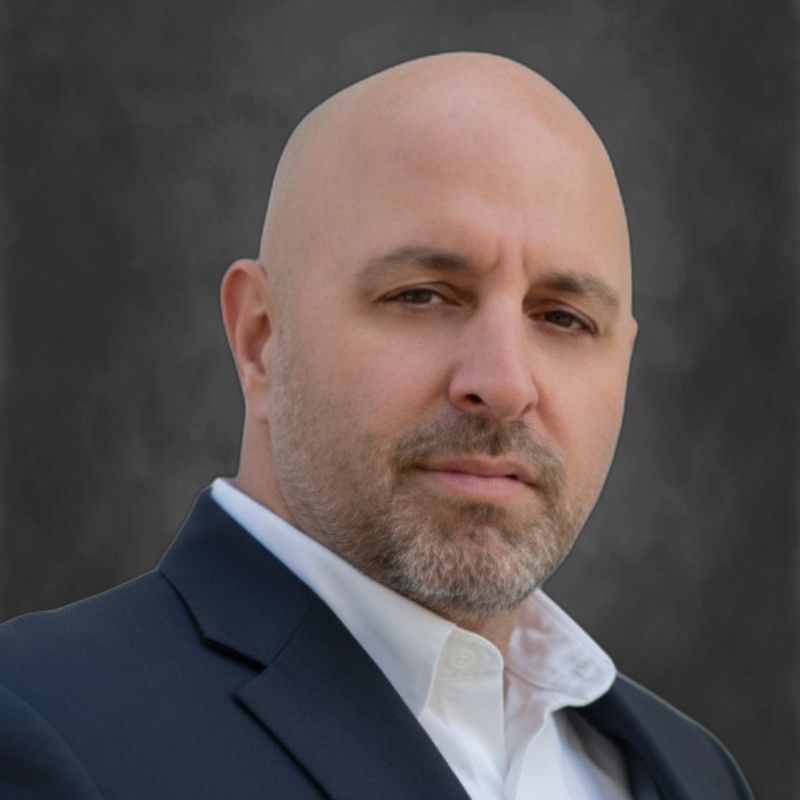
CEO/Co-Founder @ Oatmeal Health | AI Lung Cancer Screening | Almost Became a Doctor | Engineer | Follow to Share What I’ve Learned Along the Way
I help patients get the care they need earlier, preventing late-stage cancer.
That’s been the throughline across three companies and almost 20 years in healthcare. At ReferralMD, we fixed broken referral networks so patients didn’t fall through the cracks. At Oatmeal Health, it’s lung cancer: building the diagnostic and screening infrastructure so the 85% of cases caught too late get caught early instead.
Today as CEO of Oatmeal Health, I lead a team embedding AI into radiology workflows to turn routine lung CT scans into reimbursable cancer risk assessments. We partner with FQHCs to reach underserved communities, and with health systems and payers to make early detection economically sustainable. Think HeartFlow or Cleerly, but for lungs.
Between companies, I advised at Techstars and Plug and Play, mentoring founders building in digital health. That experience shaped how I think about what separates companies that ship from companies that stall: distribution, reimbursement, and clinical trust, not just technology.
I’m a CancerX alumnus, a 3x healthcare founder, and someone who believes the biggest problems in cancer aren’t scientific. They’re operational.
We’re hiring mission-driven builders at Oatmeal Health. If you want to work on something that matters, reach out.
When I’m not working, I’m traveling, mentoring, and keeping up with one very energetic husky. 🐾
Substack – The Oatmeal Bite:
Millions of patients get less care because of who they are, where they live, or how they look. I’m fighting to change that. CEO @OatmealHealth, a startup built for the underserved. The Oatmeal Bite: intel for clinicians, investors, and advocates.
Jonathan Govette
CEO of Oatmeal Health
Substack:
https://oatmealhealthjonathangovette.substack.com/