Share this article and save a life!
34 years of newborn protection, gone with one committee vote.
The CDC’s Advisory Committee on Immunization Practices (ACIP) just voted to end universal hepatitis B vaccination at birth, reversing a policy that’s been in place since 1991.
Instead of vaccinating all newborns, they now recommend birth doses only for babies whose mothers test positive for hepatitis B or have unknown status.
For all other infants? Start at 2 months, with “shared decision-making.”
🚨 The backlash has been swift and severe.
The American Academy of Pediatrics immediately condemned the decision. Major liver disease societies called it dangerous. Leading pediatricians are publicly stating they’ll continue vaccinating all newborns regardless of the new guidance.
Why this matters for healthcare leaders:
This creates an operational nightmare for birthing hospitals. You now need workflows to confirm every mother’s hepatitis B status at delivery, implement shared decision-making protocols for negative mothers, and manage insurance coverage questions when providers go against ACIP guidance.
The equity implications are staggering.
Communities with higher hepatitis B prevalence, inconsistent prenatal care, or limited healthcare access will bear the brunt of this change. We’re essentially creating a two-tier system where some babies get protection and others don’t, based on their mother’s testing status and ability to navigate complex medical decisions hours after giving birth.
Here’s what makes this unprecedented:
I can’t remember another time when major medical societies have so uniformly rejected an ACIP recommendation and pledged to continue contrary practices. This isn’t just disagreement, it’s open defiance from the pediatric community.
For imaging centers and FQHCs serving diverse populations, this signals potential increases in chronic hepatitis B cases that could have been prevented. More liver disease. More healthcare costs. More preventable suffering.
The real question:
If the experts who actually care for children are rejecting this guidance, why was it changed? And what happens when official policy diverges so dramatically from clinical practice?
We’re watching a public health policy crisis unfold in real time.
♻️ Repost if universal newborn protection shouldn’t be negotiable.
👉 Follow me, Jonathan Govette, for real-time updates on healthcare technology and business news. LinkedIn Profile: https://www.linkedin.com/in/jonathangovette/
Share this article and save a life!
Author:
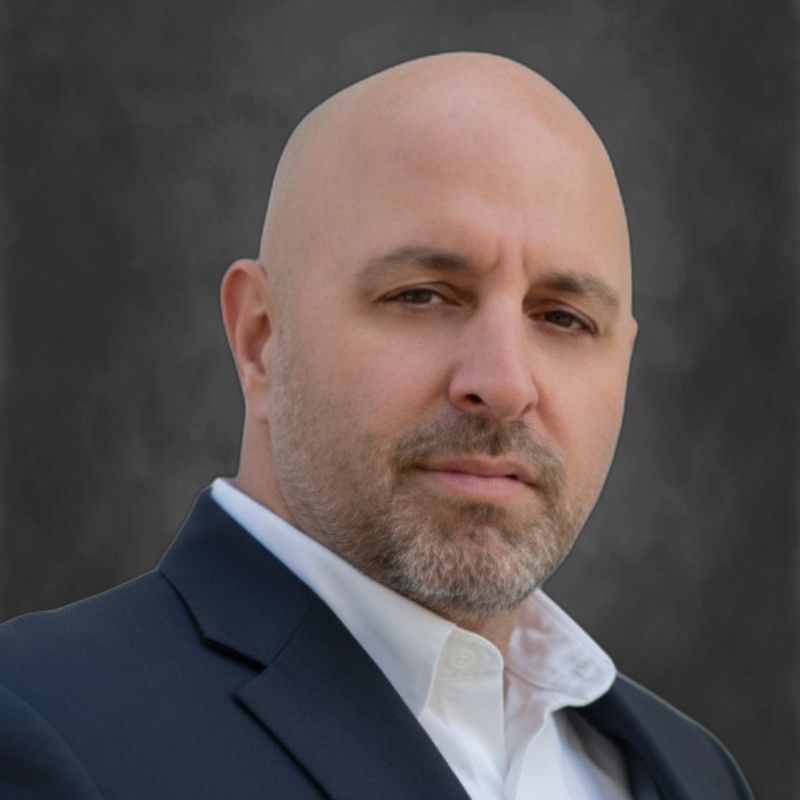
CEO/Co-Founder @ Oatmeal Health | AI Lung Cancer Screening | Almost Became a Doctor | Engineer | Follow to Share What I’ve Learned Along the Way
I help patients get the care they need earlier, preventing late-stage cancer.
That’s been the throughline across three companies and almost 20 years in healthcare. At ReferralMD, we fixed broken referral networks so patients didn’t fall through the cracks. At Oatmeal Health, it’s lung cancer: building the diagnostic and screening infrastructure so the 85% of cases caught too late get caught early instead.
Today as CEO of Oatmeal Health, I lead a team embedding AI into radiology workflows to turn routine lung CT scans into reimbursable cancer risk assessments. We partner with FQHCs to reach underserved communities, and with health systems and payers to make early detection economically sustainable. Think HeartFlow or Cleerly, but for lungs.
Between companies, I advised at Techstars and Plug and Play, mentoring founders building in digital health. That experience shaped how I think about what separates companies that ship from companies that stall: distribution, reimbursement, and clinical trust, not just technology.
I’m a CancerX alumnus, a 3x healthcare founder, and someone who believes the biggest problems in cancer aren’t scientific. They’re operational.
We’re hiring mission-driven builders at Oatmeal Health. If you want to work on something that matters, reach out.
When I’m not working, I’m traveling, mentoring, and keeping up with one very energetic husky. 🐾
Substack – The Oatmeal Bite:
Millions of patients get less care because of who they are, where they live, or how they look. I’m fighting to change that. CEO @OatmealHealth, a startup built for the underserved. The Oatmeal Bite: intel for clinicians, investors, and advocates.
Jonathan Govette
CEO of Oatmeal Health
Substack:
https://oatmealhealthjonathangovette.substack.com/