Share this article and save a life!
Nebraska just became America’s healthcare policy laboratory.
On May 1st, they flipped the switch on Medicaid work requirements, 7 months ahead of the federal deadline.
72,000 Nebraskans now need to prove 80 hours of monthly work to keep their healthcare.
Here’s what nobody’s talking about:
65% of affected Medicaid adults in Nebraska already work or attend school. They’re not sitting idle, they’re juggling multiple part-time jobs without benefits, caring for elderly parents, or managing chronic conditions that make steady employment difficult.
The math is sobering:
• 25,000 Nebraskans could lose coverage
• Nationally: 5.2 million could lose Medicaid by 2034
• 4.8 million could become completely uninsured
But here’s the real challenge: States still don’t have federal guidance on who qualifies as “medically frail” for exemptions. Work verification systems aren’t fully built. The infrastructure needed to track compliance doesn’t exist yet.
🔍 Think about this:
When someone loses Medicaid coverage, they don’t stop needing insulin. They don’t stop having asthma. They just stop getting treatment until they show up in your emergency room.
As healthcare leaders, we need to prepare for what’s coming. Montana starts July 1st. Iowa follows in December. By 2027, this could be nationwide.
The question isn’t whether work requirements change behavior.
It’s whether we’re ready for the surge of uninsured patients who will flood our emergency departments when preventive care disappears.
Nebraska is running the experiment. The rest of us better be taking notes.
♻️ Repost if healthcare access shouldn’t depend on employment status
👉 Follow me, Jonathan Govette, for daily, real-time updates on healthcare technology and business news. LinkedIn Profile: https://www.linkedin.com/in/jonathangovette/
Share this article and save a life!
Author:
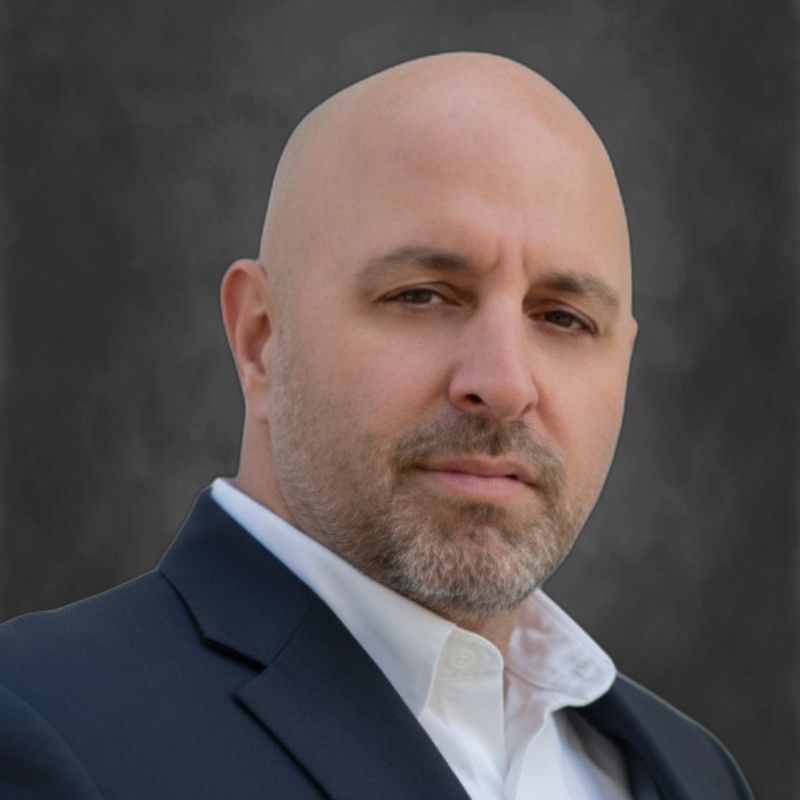
CEO/Co-Founder @ Oatmeal Health | AI Lung Cancer Screening | Almost Became a Doctor | Engineer | Follow to Share What I’ve Learned Along the Way
I help patients get the care they need earlier, preventing late-stage cancer.
That’s been the throughline across three companies and almost 20 years in healthcare. At ReferralMD, we fixed broken referral networks so patients didn’t fall through the cracks. At Oatmeal Health, it’s lung cancer: building the diagnostic and screening infrastructure so the 85% of cases caught too late get caught early instead.
Today as CEO of Oatmeal Health, I lead a team embedding AI into radiology workflows to turn routine lung CT scans into reimbursable cancer risk assessments. We partner with FQHCs to reach underserved communities, and with health systems and payers to make early detection economically sustainable. Think HeartFlow or Cleerly, but for lungs.
Between companies, I advised at Techstars and Plug and Play, mentoring founders building in digital health. That experience shaped how I think about what separates companies that ship from companies that stall: distribution, reimbursement, and clinical trust, not just technology.
I’m a CancerX alumnus, a 3x healthcare founder, and someone who believes the biggest problems in cancer aren’t scientific. They’re operational.
We’re hiring mission-driven builders at Oatmeal Health. If you want to work on something that matters, reach out.
When I’m not working, I’m traveling, mentoring, and keeping up with one very energetic husky. 🐾
Substack – The Oatmeal Bite:
Millions of patients get less care because of who they are, where they live, or how they look. I’m fighting to change that. CEO @OatmealHealth, a startup built for the underserved. The Oatmeal Bite: intel for clinicians, investors, and advocates.
Jonathan Govette
CEO of Oatmeal Health
Substack:
https://oatmealhealthjonathangovette.substack.com/