Share this article and save a life!
The FDA just changed the game for medical innovation forever.
On December 1, 2025, Commissioner Marty Makary announced something unprecedented: agentic AI deployment across the entire FDA.
Not just chatbots. Not just automation.
We’re talking about AI systems that can plan, reason, and execute complex regulatory workflows autonomously.
Think about what this means:
• Pre-market device reviews that take weeks, not months
• Drug safety surveillance catching signals in real-time
• Biologics inspections streamlined through predictive analytics
• Meeting management that actually moves approvals forward
The numbers are staggering. Over 70% of FDA staff are already using Elsa, their LLM tool launched in May. Now they’re scaling to full agentic capabilities with human oversight built in.
💡 Here’s what healthcare innovators need to understand:
This isn’t about replacing human judgment. It’s about amplifying it. Every AI decision has human validation. Every workflow maintains regulatory rigor. But the speed? That’s where everything changes.
Imagine submitting your 510(k) and having AI agents immediately flag missing data, suggest comparable predicates, and route your submission to the right reviewers, all while you sleep.
Or picture post-market surveillance that catches adverse events patterns across millions of data points before they become crises.
The FDA even launched a two-month Agentic AI Challenge for staff to develop innovations. They’re not just adopting AI, they’re building a culture around it.
Makary said it best: “There has never been a better moment in agency history to modernize with tools that can radically improve our ability to accelerate more cures.”
For medical device companies, this means rethinking your regulatory strategy entirely. Your submissions need to be AI-ready: structured data, clear documentation, machine-readable formats.
For pharma, it means clinical trial data that speaks the language of algorithms, not just statisticians.
For digital health startups, this levels the playing field. AI doesn’t care if you’re a Fortune 500 or a Series A startup. Quality is quality.
The skeptics will worry about safety. Valid concern. But consider this: human reviewers miss patterns. They get fatigued. They have biases.
AI agents don’t. They just process, analyze, and flag, 24/7/365.
We’re witnessing the biggest shift in medical product regulation since the FDA was founded. The question isn’t whether to adapt, it’s how fast you can.
♻️ Repost if you believe AI will accelerate life-saving innovations to patients.
👉 Follow me, Jonathan Govette, for real-time updates on healthcare technology and business news. LinkedIn Profile: https://www.linkedin.com/in/jonathangovette/
Share this article and save a life!
Author:
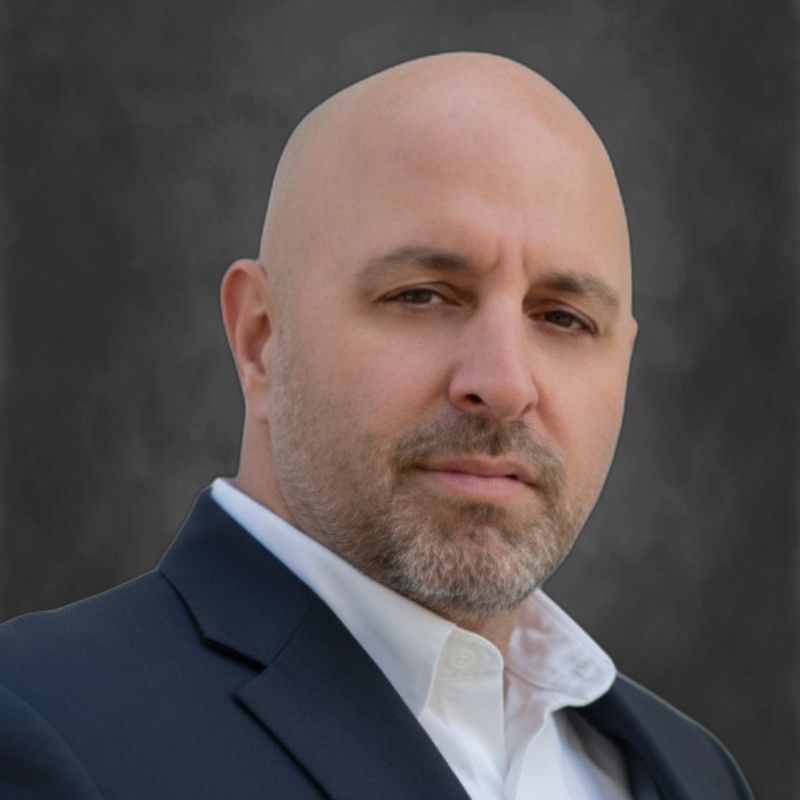
CEO/Co-Founder @ Oatmeal Health | AI Lung Cancer Screening | Almost Became a Doctor | Engineer | Follow to Share What I’ve Learned Along the Way
I help patients get the care they need earlier, preventing late-stage cancer.
That’s been the throughline across three companies and almost 20 years in healthcare. At ReferralMD, we fixed broken referral networks so patients didn’t fall through the cracks. At Oatmeal Health, it’s lung cancer: building the diagnostic and screening infrastructure so the 85% of cases caught too late get caught early instead.
Today as CEO of Oatmeal Health, I lead a team embedding AI into radiology workflows to turn routine lung CT scans into reimbursable cancer risk assessments. We partner with FQHCs to reach underserved communities, and with health systems and payers to make early detection economically sustainable. Think HeartFlow or Cleerly, but for lungs.
Between companies, I advised at Techstars and Plug and Play, mentoring founders building in digital health. That experience shaped how I think about what separates companies that ship from companies that stall: distribution, reimbursement, and clinical trust, not just technology.
I’m a CancerX alumnus, a 3x healthcare founder, and someone who believes the biggest problems in cancer aren’t scientific. They’re operational.
We’re hiring mission-driven builders at Oatmeal Health. If you want to work on something that matters, reach out.
When I’m not working, I’m traveling, mentoring, and keeping up with one very energetic husky. 🐾
Substack – The Oatmeal Bite:
Millions of patients get less care because of who they are, where they live, or how they look. I’m fighting to change that. CEO @OatmealHealth, a startup built for the underserved. The Oatmeal Bite: intel for clinicians, investors, and advocates.
Jonathan Govette
CEO of Oatmeal Health
Substack:
https://oatmealhealthjonathangovette.substack.com/