Share this article and save a life!
FQHCs just got their biggest operational overhaul in a decade.
And most health center executives don’t realize what just hit them.
HRSA is transitioning all 1,400+ FQHCs to four-year performance periods (from three years), while simultaneously implementing sweeping federal grants policy changes that fundamentally alter how centers manage their finances.
Here’s what changed October 1, 2025:
🔹 Micro-purchase threshold jumped to $50,000
🔹 Fixed subaward limit raised to $500,000
🔹 Indirect cost rate increased from 10% to 15%
🔹 Single audit threshold raised to $1 million
🔹 Extended closeout timeline to 120 days
Why this matters:
The four-year performance period extension means FQHCs can finally pursue longer-term strategic initiatives without the constant disruption of three-year renewal cycles. This extra year provides breathing room for implementing complex technology upgrades, building sustainable workforce programs, and developing comprehensive care models.
But here’s the catch:
HRSA is transitioning from their Electronic Handbook system to GrantSolutions, creating processing delays at the worst possible time. They’re experiencing staffing pressures and cuts that affect grants management and compliance operations.
FQHCs with January and February budget periods already received one-year extensions in FY 2026. By FY 2029, every health center will operate on four-year cycles.
The increased thresholds give FQHCs unprecedented procurement flexibility. That $50,000 micro-purchase threshold means faster equipment purchases. The 15% indirect cost rate provides an extra 5% for administrative overhead that centers desperately need.
Yet most FQHCs haven’t updated their internal controls, trained staff on new documentation requirements, or prepared for potential Notice of Award delays.
This isn’t just administrative shuffling.
It’s a fundamental shift in how community health centers plan, operate, and deliver care to America’s most vulnerable populations.
FQHCs that adapt quickly to these changes will thrive. Those that don’t will struggle with compliance issues and missed funding opportunities.
The question isn’t whether to prepare, it’s whether you’re already behind.
♻️ Repost if FQHCs need better support navigating federal policy changes
👉 Follow me, Jonathan Govette, for real-time updates on healthcare technology and business news. LinkedIn Profile: https://www.linkedin.com/in/jonathangovette/
Share this article and save a life!
Author:
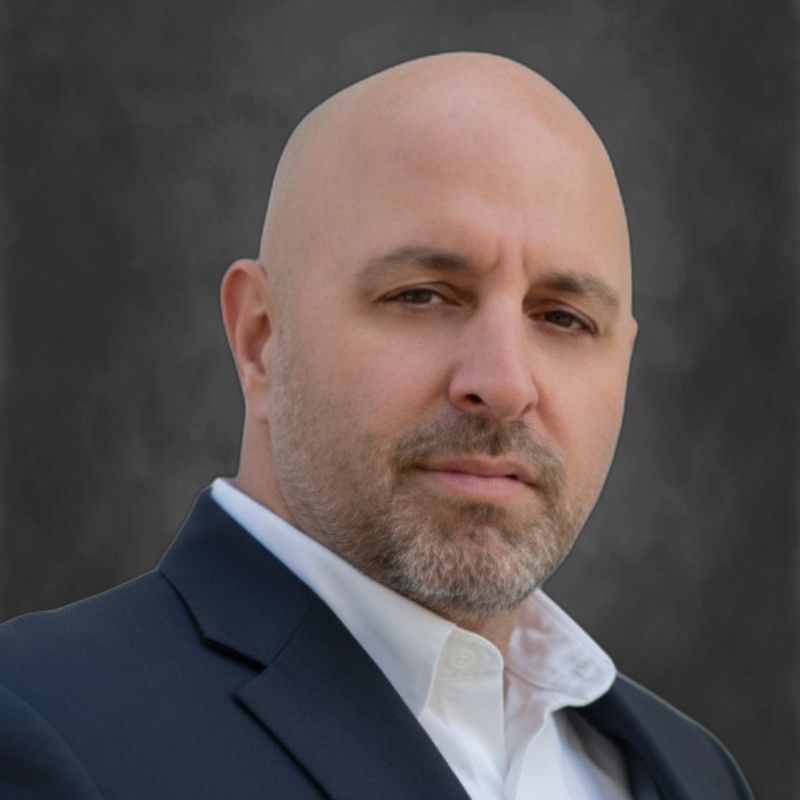
CEO/Co-Founder @ Oatmeal Health | AI Lung Cancer Screening | Almost Became a Doctor | Engineer | Follow to Share What I’ve Learned Along the Way
I help patients get the care they need earlier, preventing late-stage cancer.
That’s been the throughline across three companies and almost 20 years in healthcare. At ReferralMD, we fixed broken referral networks so patients didn’t fall through the cracks. At Oatmeal Health, it’s lung cancer: building the diagnostic and screening infrastructure so the 85% of cases caught too late get caught early instead.
Today as CEO of Oatmeal Health, I lead a team embedding AI into radiology workflows to turn routine lung CT scans into reimbursable cancer risk assessments. We partner with FQHCs to reach underserved communities, and with health systems and payers to make early detection economically sustainable. Think HeartFlow or Cleerly, but for lungs.
Between companies, I advised at Techstars and Plug and Play, mentoring founders building in digital health. That experience shaped how I think about what separates companies that ship from companies that stall: distribution, reimbursement, and clinical trust, not just technology.
I’m a CancerX alumnus, a 3x healthcare founder, and someone who believes the biggest problems in cancer aren’t scientific. They’re operational.
We’re hiring mission-driven builders at Oatmeal Health. If you want to work on something that matters, reach out.
When I’m not working, I’m traveling, mentoring, and keeping up with one very energetic husky. 🐾
Substack – The Oatmeal Bite:
Millions of patients get less care because of who they are, where they live, or how they look. I’m fighting to change that. CEO @OatmealHealth, a startup built for the underserved. The Oatmeal Bite: intel for clinicians, investors, and advocates.
Jonathan Govette
CEO of Oatmeal Health
Substack:
https://oatmealhealthjonathangovette.substack.com/