Share this article and save a life!
Northwestern just solved radiology’s biggest bottleneck.
Their new generative AI drafts complete radiology reports in real time, and the results are staggering:
📊 15% to 80% efficiency gains across 11 hospitals
🎯 95% complete drafts in each radiologist’s style
⚡ Zero loss in clinical accuracy
🚨 Catches critical findings like pneumothorax with 99.9% specificity
But here’s what makes this different:
While everyone else is building narrow AI for single conditions, Northwestern built a holistic system. It reads the entire X-ray or CT scan and generates a comprehensive report, just like a human radiologist would.
They didn’t use ChatGPT or other internet-trained models. Instead, they built from scratch using their own clinical data, creating a lightweight system that integrates seamlessly with EHRs and reporting software.
The most impressive part? It’s already live in clinical practice.
Some radiologists are seeing 40% productivity gains. Others report clearing backlogs that once seemed insurmountable. The AI even flags life-threatening conditions before radiologists might catch them, potentially saving lives through earlier detection.
This isn’t theoretical anymore. It’s happening right now at Northwestern.
We keep hearing about AI’s potential in healthcare. Northwestern just proved it works.
The question isn’t whether AI will transform radiology. It’s how fast other health systems can catch up.
Because with radiologist shortages getting worse and imaging volumes exploding, we can’t afford to wait. Every delayed report is a delayed diagnosis. Every backlog represents patients waiting in uncertainty.
Northwestern just showed us the solution. Now it’s time for the rest of healthcare to pay attention.
♻️ Repost if radiology departments need AI to survive the imaging volume crisis
👉 Follow me, Jonathan Govette, for real-time updates on healthcare technology and business news. LinkedIn Profile: https://www.linkedin.com/in/jonathangovette/
Share this article and save a life!
Author:
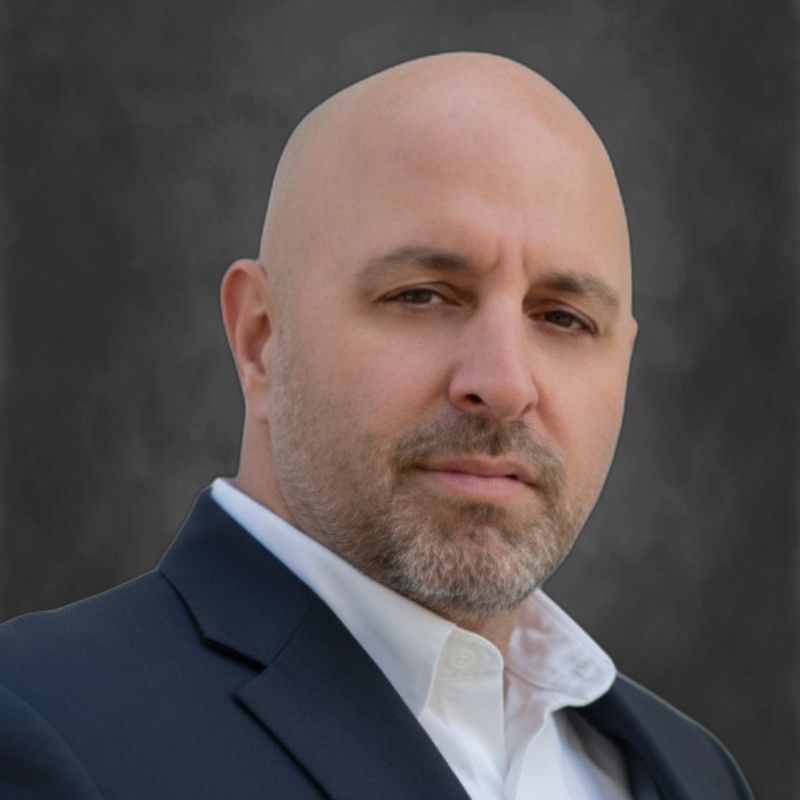
CEO/Co-Founder @ Oatmeal Health | AI Lung Cancer Screening | Almost Became a Doctor | Engineer | Follow to Share What I’ve Learned Along the Way
I help patients get the care they need earlier, preventing late-stage cancer.
That’s been the throughline across three companies and almost 20 years in healthcare. At ReferralMD, we fixed broken referral networks so patients didn’t fall through the cracks. At Oatmeal Health, it’s lung cancer: building the diagnostic and screening infrastructure so the 85% of cases caught too late get caught early instead.
Today as CEO of Oatmeal Health, I lead a team embedding AI into radiology workflows to turn routine lung CT scans into reimbursable cancer risk assessments. We partner with FQHCs to reach underserved communities, and with health systems and payers to make early detection economically sustainable. Think HeartFlow or Cleerly, but for lungs.
Between companies, I advised at Techstars and Plug and Play, mentoring founders building in digital health. That experience shaped how I think about what separates companies that ship from companies that stall: distribution, reimbursement, and clinical trust, not just technology.
I’m a CancerX alumnus, a 3x healthcare founder, and someone who believes the biggest problems in cancer aren’t scientific. They’re operational.
We’re hiring mission-driven builders at Oatmeal Health. If you want to work on something that matters, reach out.
When I’m not working, I’m traveling, mentoring, and keeping up with one very energetic husky. 🐾
Substack – The Oatmeal Bite:
Millions of patients get less care because of who they are, where they live, or how they look. I’m fighting to change that. CEO @OatmealHealth, a startup built for the underserved. The Oatmeal Bite: intel for clinicians, investors, and advocates.
Jonathan Govette
CEO of Oatmeal Health
Substack:
https://oatmealhealthjonathangovette.substack.com/