Share this article and save a life!
Your hospital room is watching you, and that’s actually saving lives.
Houston Methodist just turned their hospital rooms into self-aware care spaces. Sensors track movement patterns. Cameras monitor patient stability. AI algorithms predict falls before they happen.
This isn’t surveillance theater. It’s transforming patient safety.
Henry Ford Health’s virtual nursing program logged 600+ hours and completed 24,700 tasks for 1,350 patients in just one month. Their AI-powered rooms use lidar technology to ensure patients are turned regularly, preventing pressure injuries that affect 2.5 million Americans annually.
The results are striking:
• Falls reduced by 30%
• Nurses save 45 minutes per shift on documentation
• Response times cut from minutes to seconds
• Patient satisfaction scores increasing
But here’s what makes this revolutionary: Virtual nurses aren’t replacing bedside nurses. They’re eliminating the administrative burden.
From a 24/7 command center, virtual nurses handle admissions, discharges, medication reconciliation, and safety rounds. They provide an extra set of eyes for high-risk patients without requiring 1:1 sitters.
When the AI detects irregular gait patterns or combines movement data with medications and fall history, it triggers interventions before accidents occur. A virtual knock alerts patients when remote nurses connect, maintaining dignity while enhancing safety.
The technology is sophisticated yet simple. No extra devices needed, just the existing room TV becomes a two-way care portal. Edge computing processes data locally, ensuring privacy while enabling real-time responses.
88% of hospitals now run some form of virtual care. But this shift from reactive to proactive monitoring represents something bigger: healthcare’s transition from treating injuries to preventing them entirely.
For an industry losing 100,000 nurses annually to burnout, this isn’t just about technology. It’s about creating sustainable care models where nurses practice at the top of their license, patients receive continuous monitoring, and hospitals reduce preventable harm.
The smart hospital room isn’t coming. It’s here. And it’s redefining what safe, efficient care looks like.
♻️ Repost if hospital falls should be preventable, not inevitable
👉 Follow me, Jonathan Govette, for real-time updates on healthcare technology and business news. LinkedIn Profile: https://www.linkedin.com/in/jonathangovette/
Share this article and save a life!
Author:
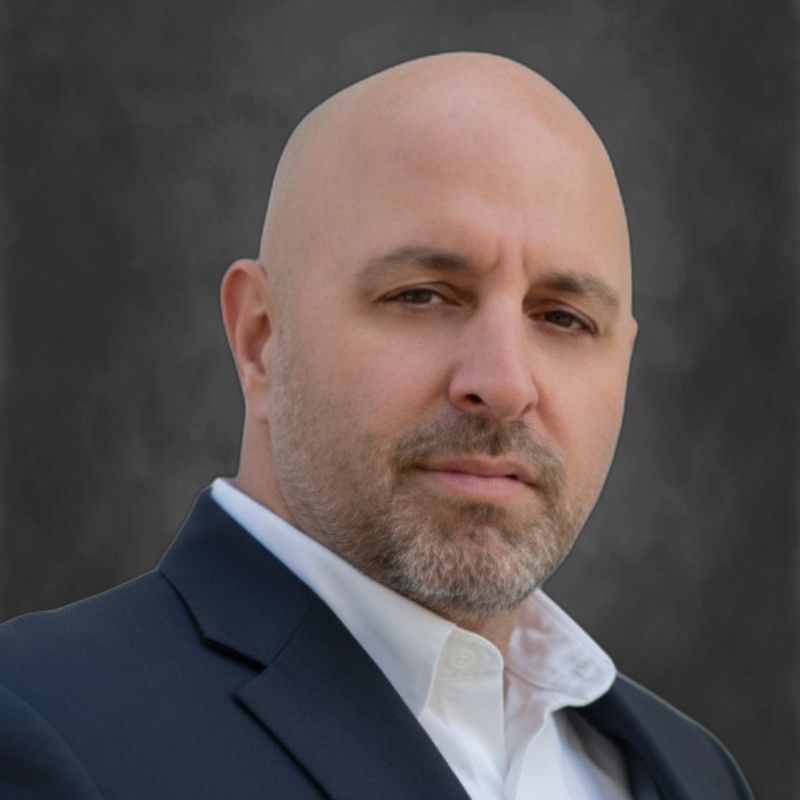
CEO/Co-Founder @ Oatmeal Health | AI Lung Cancer Screening | Almost Became a Doctor | Engineer | Follow to Share What I’ve Learned Along the Way
I help patients get the care they need earlier, preventing late-stage cancer.
That’s been the throughline across three companies and almost 20 years in healthcare. At ReferralMD, we fixed broken referral networks so patients didn’t fall through the cracks. At Oatmeal Health, it’s lung cancer: building the diagnostic and screening infrastructure so the 85% of cases caught too late get caught early instead.
Today as CEO of Oatmeal Health, I lead a team embedding AI into radiology workflows to turn routine lung CT scans into reimbursable cancer risk assessments. We partner with FQHCs to reach underserved communities, and with health systems and payers to make early detection economically sustainable. Think HeartFlow or Cleerly, but for lungs.
Between companies, I advised at Techstars and Plug and Play, mentoring founders building in digital health. That experience shaped how I think about what separates companies that ship from companies that stall: distribution, reimbursement, and clinical trust, not just technology.
I’m a CancerX alumnus, a 3x healthcare founder, and someone who believes the biggest problems in cancer aren’t scientific. They’re operational.
We’re hiring mission-driven builders at Oatmeal Health. If you want to work on something that matters, reach out.
When I’m not working, I’m traveling, mentoring, and keeping up with one very energetic husky. 🐾
Substack – The Oatmeal Bite:
Millions of patients get less care because of who they are, where they live, or how they look. I’m fighting to change that. CEO @OatmealHealth, a startup built for the underserved. The Oatmeal Bite: intel for clinicians, investors, and advocates.
Jonathan Govette
CEO of Oatmeal Health
Substack:
https://oatmealhealthjonathangovette.substack.com/