Share this article and save a life!
AI just became healthcare’s biggest safety threat. Yes, really.
ECRI’s March 2026 patient safety report dropped a bombshell that nobody wanted to hear:
AI diagnostics now pose the #1 risk to patient safety in American healthcare.
Not medication errors.
Not surgical complications.
Not hospital infections.
Artificial intelligence.
🤖 The “AI Diagnostic Dilemma” tops their list because of something called automation bias, where clinicians unconsciously defer to AI recommendations even when their gut says otherwise.
Think about that for a second.
We’re training doctors to trust algorithms over instincts. To accept machine outputs without question. To let critical thinking muscles atrophy while silicon chips make life-or-death calls.
The data is sobering:
• AI systems trained on flawed datasets are amplifying health disparities
• Rapid adoption without clinical validation is causing preventable harm
• Clinicians report feeling “psychologically primed” to agree with AI outputs
But here’s what really keeps me up at night:
We’ve deployed 882 FDA-cleared AI devices into clinical practice. Most in radiology. Many making autonomous decisions. Yet we still don’t have universal standards for validation, oversight, or accountability.
The National Academy of Medicine launched an emergency initiative this month to tackle this crisis. They’re calling it their most urgent patient safety effort since “To Err Is Human” in 2000.
That report sparked a revolution in healthcare quality.
This one might save AI from itself.
Look, I believe in AI’s potential. But potential without prudence is just another word for danger.
We need AI that enhances human judgment, not replaces it.
We need algorithms that empower clinicians, not diminish them.
We need technology that serves patients, not statistics.
The solution isn’t to abandon AI. It’s to demand better.
Better validation. Better training. Better integration with human expertise.
Because when we outsource our thinking to machines, we don’t just risk diagnostic errors.
We risk losing the very essence of what makes medicine human.
♻️ Repost if AI in healthcare needs human oversight, not blind trust.
👉 Follow me, Jonathan Govette, for daily, real-time updates on healthcare technology and business news. LinkedIn Profile: https://www.linkedin.com/in/jonathangovette/
Share this article and save a life!
Author:
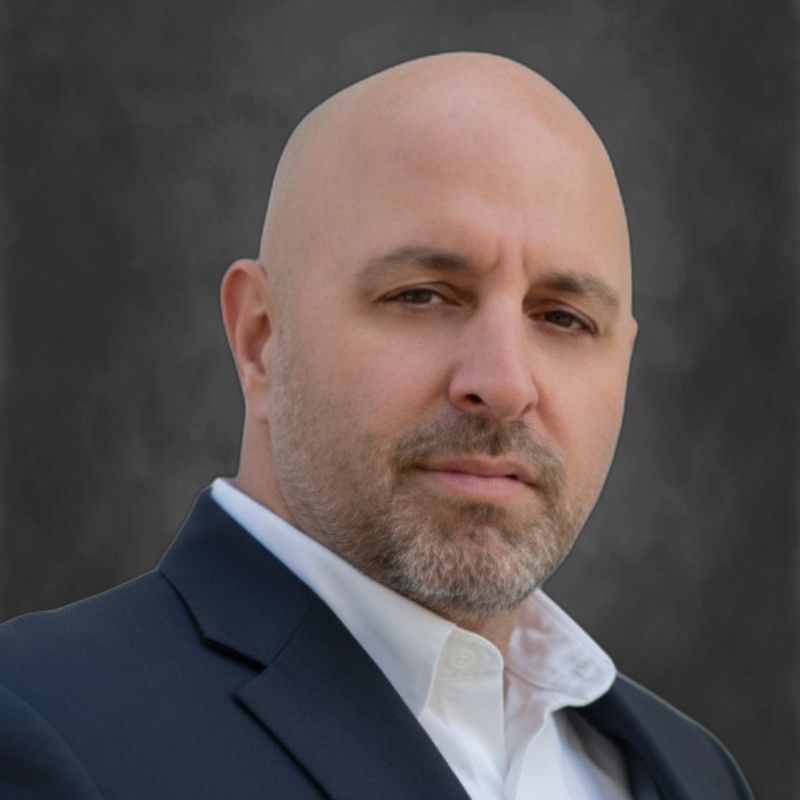
CEO/Co-Founder @ Oatmeal Health | AI Lung Cancer Screening | Almost Became a Doctor | Engineer | Follow to Share What I’ve Learned Along the Way
I help patients get the care they need earlier, preventing late-stage cancer.
That’s been the throughline across three companies and almost 20 years in healthcare. At ReferralMD, we fixed broken referral networks so patients didn’t fall through the cracks. At Oatmeal Health, it’s lung cancer: building the diagnostic and screening infrastructure so the 85% of cases caught too late get caught early instead.
Today as CEO of Oatmeal Health, I lead a team embedding AI into radiology workflows to turn routine lung CT scans into reimbursable cancer risk assessments. We partner with FQHCs to reach underserved communities, and with health systems and payers to make early detection economically sustainable. Think HeartFlow or Cleerly, but for lungs.
Between companies, I advised at Techstars and Plug and Play, mentoring founders building in digital health. That experience shaped how I think about what separates companies that ship from companies that stall: distribution, reimbursement, and clinical trust, not just technology.
I’m a CancerX alumnus, a 3x healthcare founder, and someone who believes the biggest problems in cancer aren’t scientific. They’re operational.
We’re hiring mission-driven builders at Oatmeal Health. If you want to work on something that matters, reach out.
When I’m not working, I’m traveling, mentoring, and keeping up with one very energetic husky. 🐾
Substack – The Oatmeal Bite:
Millions of patients get less care because of who they are, where they live, or how they look. I’m fighting to change that. CEO @OatmealHealth, a startup built for the underserved. The Oatmeal Bite: intel for clinicians, investors, and advocates.
Jonathan Govette
CEO of Oatmeal Health
Substack:
https://oatmealhealthjonathangovette.substack.com/