Share this article and save a life!
34 million patients just got a lifeline with an expiration date.
Community health centers just secured their biggest funding win in a decade: $4.6 billion for 2026, a $300 million increase from current levels.
But here’s what nobody’s talking about:
This “victory” expires in December 2026. No long-term commitment. No strategic planning possible. Just another cliff that threatens the healthcare safety net for America’s most vulnerable communities.
The math tells a darker story:
• 43% of FQHC revenue comes from Medicaid
• Proposed Medicaid work requirements could cost FQHCs $32 billion
• That’s 7 times more than the funding increase they just received
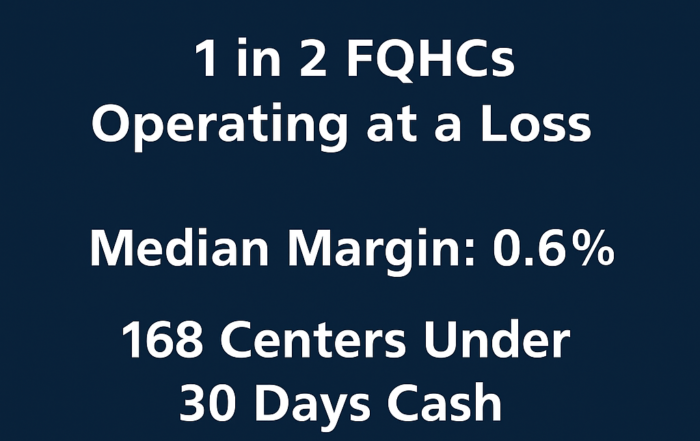
• 42% of health centers have less than 90 days cash reserves
Think about what this means operationally.
How do you recruit physicians when you can’t guarantee funding beyond 2026?
How do you expand mental health services when your budget might disappear?
How do you invest in new technology or facilities with an 11-month horizon?
You don’t.
Meanwhile, the Congressional Budget Office projects 10 million more Americans will become uninsured by 2034. Where will they go for care? FQHCs, which are already seeing record patient volumes with flat funding for seven years.
The workforce situation compounds the crisis. Yes, the National Health Service Corps got $350 million. But workforce programs face $1 billion in cuts. That’s hiring 3 providers while losing 10.
Here’s what healthcare leaders need to understand:
FQHCs aren’t just safety-net providers. They’re economic engines in underserved communities, employing 275,000 people nationally. When they struggle, entire communities lose jobs, healthcare access, and economic stability.
The real question isn’t whether we can afford to fund community health centers properly.
It’s whether we can afford not to.
Because when 34 million Americans lose access to primary care, they don’t disappear. They show up in emergency rooms with preventable conditions that cost 10 times more to treat.
This funding increase is a band-aid on a severed artery. We need multi-year commitments, not annual cliffs that force health centers to operate in survival mode.
♻️ Repost if community health centers deserve stable, long-term funding
👉 Follow me, Jonathan Govette, for real-time updates on healthcare technology and business news. LinkedIn Profile: https://www.linkedin.com/in/jonathangovette/
Share this article and save a life!
Author:
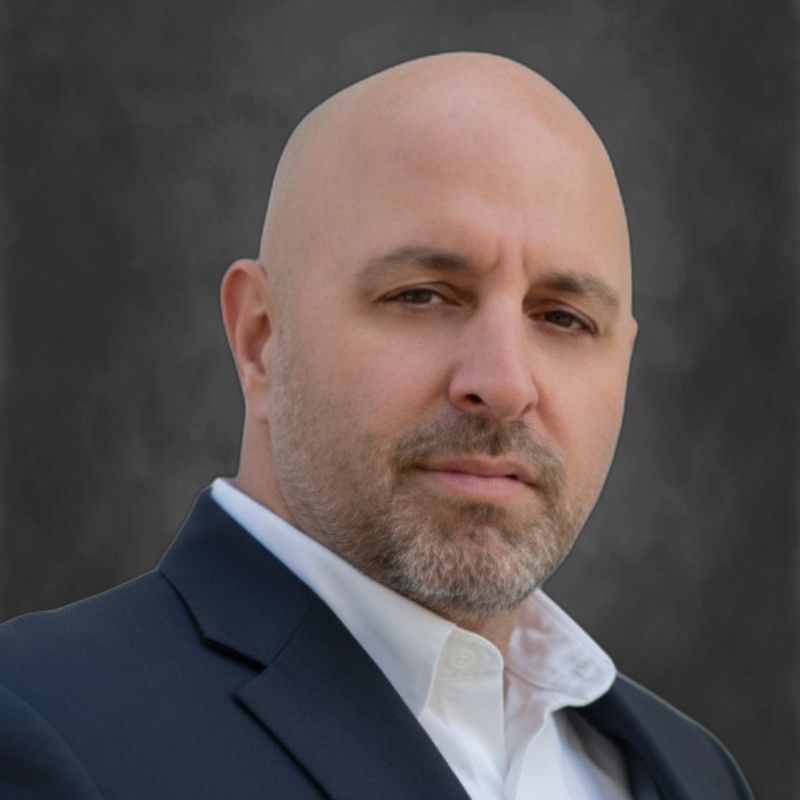
CEO/Co-Founder @ Oatmeal Health | AI Lung Cancer Screening | Almost Became a Doctor | Engineer | Follow to Share What I’ve Learned Along the Way
I help patients get the care they need earlier, preventing late-stage cancer.
That’s been the throughline across three companies and almost 20 years in healthcare. At ReferralMD, we fixed broken referral networks so patients didn’t fall through the cracks. At Oatmeal Health, it’s lung cancer: building the diagnostic and screening infrastructure so the 85% of cases caught too late get caught early instead.
Today as CEO of Oatmeal Health, I lead a team embedding AI into radiology workflows to turn routine lung CT scans into reimbursable cancer risk assessments. We partner with FQHCs to reach underserved communities, and with health systems and payers to make early detection economically sustainable. Think HeartFlow or Cleerly, but for lungs.
Between companies, I advised at Techstars and Plug and Play, mentoring founders building in digital health. That experience shaped how I think about what separates companies that ship from companies that stall: distribution, reimbursement, and clinical trust, not just technology.
I’m a CancerX alumnus, a 3x healthcare founder, and someone who believes the biggest problems in cancer aren’t scientific. They’re operational.
We’re hiring mission-driven builders at Oatmeal Health. If you want to work on something that matters, reach out.
When I’m not working, I’m traveling, mentoring, and keeping up with one very energetic husky. 🐾
Substack – The Oatmeal Bite:
Millions of patients get less care because of who they are, where they live, or how they look. I’m fighting to change that. CEO @OatmealHealth, a startup built for the underserved. The Oatmeal Bite: intel for clinicians, investors, and advocates.
Jonathan Govette
CEO of Oatmeal Health
Substack:
https://oatmealhealthjonathangovette.substack.com/