Share this article and save a life!
The U.S. just captured 76% of ALL global digital health funding.
$5.34 billion in Q1 2026 alone.
But here’s what’s really happening beneath the surface:
Deal volume is DOWN, yet average deal sizes MORE THAN DOUBLED.
Investors aren’t spreading bets anymore. They’re going all-in on proven winners.
The money is flowing into three specific areas:
• Clinical workflow AI that actually integrates
• Payer infrastructure that reduces prior auth headaches
• Medication access systems that work at scale
This isn’t about more apps or pilots. It’s about infrastructure.
Remember when everyone predicted healthcare innovation would democratize globally? The opposite happened. Capital concentrated where regulatory pathways are clearest, where health systems have IT budgets, and where reimbursement models support innovation.
Meanwhile, CMS just launched their HealthTech Ecosystem with Medicare app libraries and interoperability standards. Hundreds of organizations aligned overnight.
The message is clear: Healthcare AI is moving from experimentation to core infrastructure.
Smaller markets and early-stage startups face a harsh reality. Without proven ROI and seamless workflow integration, funding dried up.
For health system leaders, this concentration means:
✓ Fewer vendors but stronger solutions
✓ More mature products with real clinical validation
✓ Better integration with existing systems
But it also raises concerns about innovation monopolies and global health equity.
When 76% of funding goes to one country, what happens to healthcare innovation in emerging markets?
The next 12 months will determine if this concentration accelerates innovation or stifles competition.
♻️ Repost if healthcare innovation needs global balance
👉 Follow me, Jonathan Govette, for daily, real-time updates on healthcare technology and business news. LinkedIn Profile: https://www.linkedin.com/in/jonathangovette/
Share this article and save a life!
Author:
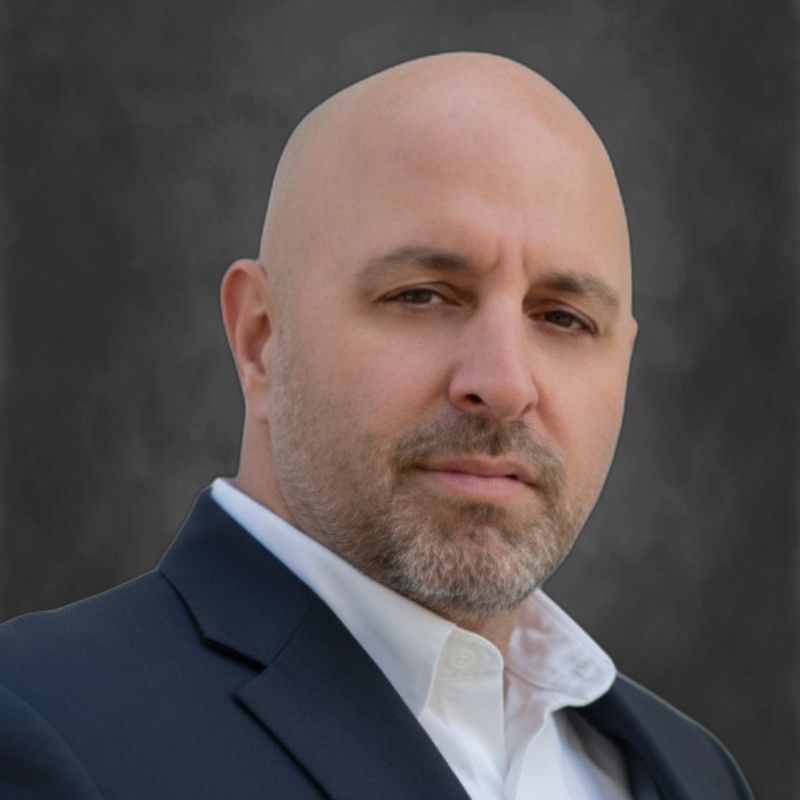
CEO/Co-Founder @ Oatmeal Health | AI Lung Cancer Screening | Almost Became a Doctor | Engineer | Follow to Share What I’ve Learned Along the Way
I help patients get the care they need earlier, preventing late-stage cancer.
That’s been the throughline across three companies and almost 20 years in healthcare. At ReferralMD, we fixed broken referral networks so patients didn’t fall through the cracks. At Oatmeal Health, it’s lung cancer: building the diagnostic and screening infrastructure so the 85% of cases caught too late get caught early instead.
Today as CEO of Oatmeal Health, I lead a team embedding AI into radiology workflows to turn routine lung CT scans into reimbursable cancer risk assessments. We partner with FQHCs to reach underserved communities, and with health systems and payers to make early detection economically sustainable. Think HeartFlow or Cleerly, but for lungs.
Between companies, I advised at Techstars and Plug and Play, mentoring founders building in digital health. That experience shaped how I think about what separates companies that ship from companies that stall: distribution, reimbursement, and clinical trust, not just technology.
I’m a CancerX alumnus, a 3x healthcare founder, and someone who believes the biggest problems in cancer aren’t scientific. They’re operational.
We’re hiring mission-driven builders at Oatmeal Health. If you want to work on something that matters, reach out.
When I’m not working, I’m traveling, mentoring, and keeping up with one very energetic husky. 🐾
Substack – The Oatmeal Bite:
Millions of patients get less care because of who they are, where they live, or how they look. I’m fighting to change that. CEO @OatmealHealth, a startup built for the underserved. The Oatmeal Bite: intel for clinicians, investors, and advocates.
Jonathan Govette
CEO of Oatmeal Health
Substack:
https://oatmealhealthjonathangovette.substack.com/