Share this article and save a life!
$541.5 million. One Florida health system. Four years of fake diagnosis codes. 🚨
This week the DOJ announced that The Villages Health, a Central Florida provider serving one of the world’s largest retirement communities, agreed to pay $541.5 million to settle allegations it overbilled Medicare Advantage from 2020 to 2024.
Here is how it worked.
Under Medicare Advantage, the government pays insurers a fixed monthly amount per member. That payment adjusts upward for sicker patients. CMS calculates the adjustment using medical diagnosis codes submitted by providers. A more severe diagnosis means a higher risk score, which means more money.
The Villages Health allegedly submitted false diagnosis codes to its MA insurers to inflate those risk scores and collect higher reimbursement. According to Healthcare Dive, TVH submitted codes to Humana and UnitedHealth, among others, that were not supported by actual medical records.
Then the wheels came off:
🔹TVH discovered the overbilling while examining its own finances in 2024
🔹It self-disclosed the invalid codes to HHS-OIG
🔹It filed for Chapter 11 bankruptcy last summer
🔹Humana purchased the remains for $68 million in a deal that closed late last year
🔹The U.S. Bankruptcy Court approved the $541.5 million settlement this week
The DOJ pursued civil False Claims Act violations rather than criminal charges.
💡 Here is what most people are missing.
This is not an isolated bad actor story. It is a structural problem.
According to Healthcare Dive, upcoding is expected to drive $22 billion in additional Medicare Advantage spending compared to traditional Medicare this year alone, according to congressional advisory group MedPAC. This same week, DOJ also settled with home health provider Monogram Health for $2.4 million and secured a $14 million settlement with Complete Health, a value-based primary care provider.
The incentive is baked into the model. Pay more for sicker patients, and someone will always find a way to manufacture sicker patients on paper.
The self-disclosure here matters. TVH flagged its own wrongdoing, which is why DOJ credited the organization and chose civil over criminal resolution. That is actually the system working as designed, imperfectly.
But when a single regional provider can run up a half-billion-dollar tab in four years, and the industry-wide upcoding problem is measured in the tens of billions annually, it is worth asking whether enforcement actions alone are sufficient, or whether the risk-adjustment model itself needs fundamental redesign.
Every dollar lost to upcoding is a dollar not spent on actual patient care. At Oatmeal Health, we think about this every day as we work to bring early cancer screening to underserved communities. Fraud in the Medicare system hits the most vulnerable patients hardest.
👉 Follow Jonathan Govette, CEO of Oatmeal Health, for daily healthcare insights on LinkedIn. Deeper dives in The Oatmeal Bite on Substack: https://news.oatmealhealth.com
Share this article and save a life!
Author:
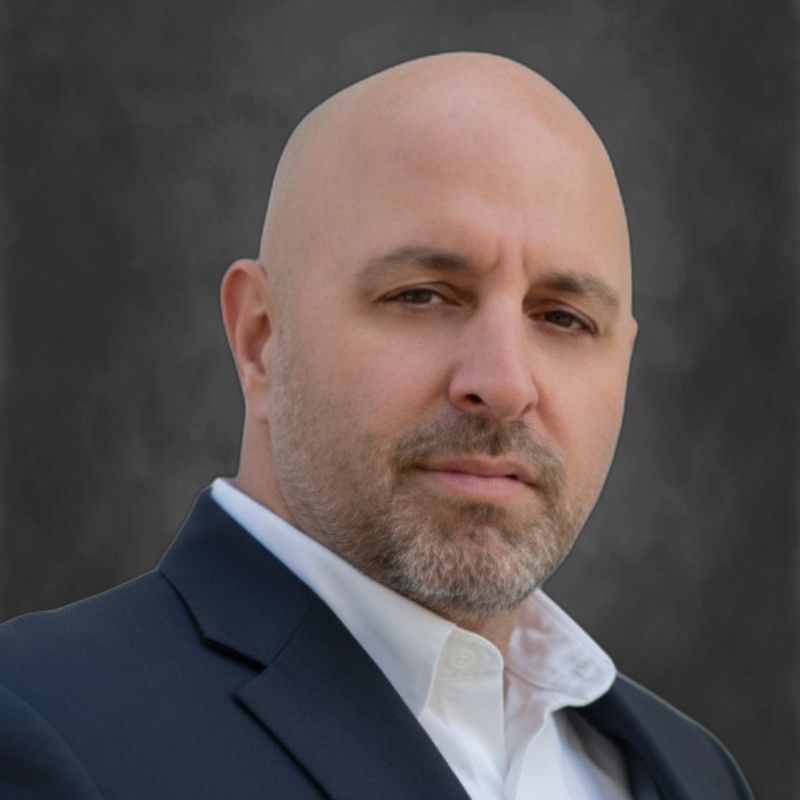
CEO/Co-Founder @ Oatmeal Health | AI Lung Cancer Screening | Almost Became a Doctor | Engineer | Follow to Share What I’ve Learned Along the Way
I help patients get the care they need earlier, preventing late-stage cancer.
That’s been the throughline across three companies and almost 20 years in healthcare. At ReferralMD, we fixed broken referral networks so patients didn’t fall through the cracks. At Oatmeal Health, it’s lung cancer: building the diagnostic and screening infrastructure so the 85% of cases caught too late get caught early instead.
Today as CEO of Oatmeal Health, I lead a team embedding AI into radiology workflows to turn routine lung CT scans into reimbursable cancer risk assessments. We partner with FQHCs to reach underserved communities, and with health systems and payers to make early detection economically sustainable. Think HeartFlow or Cleerly, but for lungs.
Between companies, I advised at Techstars and Plug and Play, mentoring founders building in digital health. That experience shaped how I think about what separates companies that ship from companies that stall: distribution, reimbursement, and clinical trust, not just technology.
I’m a CancerX alumnus, a 3x healthcare founder, and someone who believes the biggest problems in cancer aren’t scientific. They’re operational.
We’re hiring mission-driven builders at Oatmeal Health. If you want to work on something that matters, reach out.
When I’m not working, I’m traveling, mentoring, and keeping up with one very energetic husky. 🐾
Substack – The Oatmeal Bite:
Millions of patients get less care because of who they are, where they live, or how they look. I’m fighting to change that. CEO @OatmealHealth, a startup built for the underserved. The Oatmeal Bite: intel for clinicians, investors, and advocates.
Jonathan Govette
CEO of Oatmeal Health
Substack:
https://oatmealhealthjonathangovette.substack.com/