Share this article and save a life!
Your radiologist just missed nearly half the aneurysms that are growing.
That’s what new data from RapidAI revealed this week.
Their AI platform caught 27 out of 28 cases of aneurysm growth.
Radiologists working alone? Only 14 out of 28.
Let that sink in: **46% more detection** when AI assists.
This isn’t about replacing radiologists. It’s about catching the subtle, linear growth patterns that human eyes struggle to see consistently. The kind that determines whether someone needs preventive surgery or can wait.
Here’s what makes this breakthrough different:
• Maintains the same specificity as human readers (no false alarm fatigue)
• Captures longitudinal changes across multiple scans
• Enables earlier intervention decisions for rupture risk
But the real story goes deeper.
The same AI system also improved stroke diagnosis accuracy from 76% to 86%, while cutting interpretation time by 34 seconds per case. General radiologists saved over a minute per scan.
Think about the downstream impact:
Every missed aneurysm growth is a potential emergency room catastrophe waiting to happen. A ruptured brain aneurysm has a 40% mortality rate. Those who survive often face permanent disability.
Now multiply that by every radiology department still relying solely on human eyes.
The question isn’t whether AI belongs in radiology anymore.
It’s whether we can afford NOT to use it.
Because somewhere right now, a growing aneurysm is being missed. And that patient deserves better than a coin flip chance of detection.
What’s stopping your imaging center from adopting this technology today?
♻️ Repost if AI should be standard in aneurysm monitoring
👉 Follow me, Jonathan Govette, for daily, real-time updates on healthcare technology and business news. LinkedIn Profile: https://www.linkedin.com/in/jonathangovette/
Share this article and save a life!
Author:
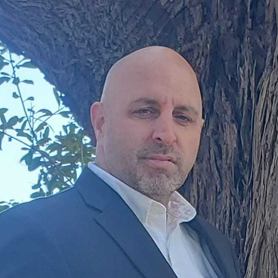
Jonathan Govette is a seasoned healthcare and technology executive with more than two decades of experience building, scaling, and advising digital health companies. He is the Co-Founder and CEO of Oatmeal Health, an AI-driven Lung Cancer Screening and Diagnostics company focused on expanding access to early detection for underrepresented populations, particularly patients served by Federally Qualified Health Centers and value-based health plans.
With a background in engineering, product development, and strategic partnerships, Jonathan has founded and led multiple health technology ventures across clinical care delivery, regulated medical software, and AI-enabled diagnostics. His work sits at the intersection of medicine, technology, and health equity, with a consistent focus on translating complex clinical problems into scalable, real-world solutions.
Jonathan has spent much of his professional life dedicated to improving outcomes for marginalized and underserved communities. He has designed and implemented frameworks that align clinical quality, reimbursement, and technology to sustainably advance health equity at scale. This mission is deeply personal and informs his leadership philosophy and long-term vision for healthcare transformation.
In addition to his operating experience, Jonathan is an author and long-time writer in the healthcare domain, with over 20 years of published work covering digital health, medical innovation, and healthcare systems. He is a frequent mentor to early-stage founders and regularly advises startups on product strategy, partnerships, and go-to-market execution in regulated healthcare environments.
Before entering industry full-time, Jonathan nearly pursued a career in medicine with an early path toward cardiothoracic surgery, an experience that continues to shape his clinical perspective and respect for frontline care delivery.
CEO | Oatmeal Health | AI Lung Cancer Startup | Engineer | Writer | Almost Became a Doctor (Cardiac Thoracic Surgeon) | 3x Health Tech Founder | Startup Mentor | Follow to share what I’ve learned along the way.