Share this article and save a life!
Your brain MRI could be read in seconds, not days.
That’s not a dream anymore.
University of Michigan just dropped Prima AI, and it’s reading brain scans faster than you can grab your morning coffee. 97.5% accuracy across 50+ neurological conditions. In seconds. Not hours. Not days.
Here’s what makes this different:
🧠 It thinks like a radiologist, not just a pattern matcher
📊 Trained on 220,000 studies and 5.6 million sequences
🚨 Instantly flags strokes and hemorrhages for urgent attention
👨⚕️ Even recommends which specialist you need next
But here’s the part that got me excited:
It doesn’t just spot problems. It explains WHY it flagged something. Full transparency. No black box mysteries.
Think about what this means for rural hospitals without 24/7 neuroradiologists. For ERs drowning in scan backlogs. For that patient whose stroke symptoms started 20 minutes ago.
We’re facing a radiologist shortage that’s only getting worse. By 2025, we were already short 3,000 radiologists nationwide. Meanwhile, MRI volumes keep climbing 5% annually.
This isn’t about replacing radiologists. It’s about giving them superpowers.
Imagine: A radiologist reviews 100 scans daily. Prima pre-screens them all, flags the urgent ones, drafts initial reports. The radiologist focuses on complex cases and patient care instead of routine readings.
The fairness piece matters too. Prima performs equally well across demographics and different MRI machines. No bias based on which hospital you visit or what insurance you carry.
Yes, we need rigorous testing before widespread deployment. Yes, liability questions remain. But when seconds matter for stroke treatment, can we afford to wait?
The technology exists. The accuracy is proven. The need is urgent.
What’s stopping us from deploying this tomorrow?
♻️ Repost if brain imaging delays have impacted your patients
👉 Follow me, Jonathan Govette, for daily, real-time updates on healthcare technology and business news. LinkedIn Profile: https://www.linkedin.com/in/jonathangovette/
Share this article and save a life!
Author:
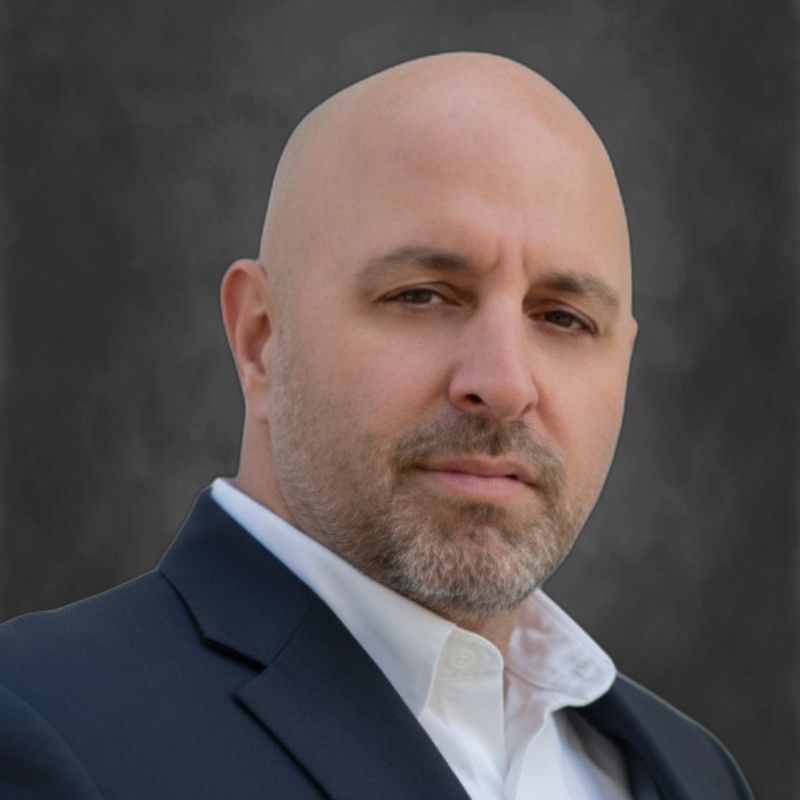
CEO/Co-Founder @ Oatmeal Health | AI Lung Cancer Screening | Almost Became a Doctor | Engineer | Follow to Share What I’ve Learned Along the Way
I help patients get the care they need earlier, preventing late-stage cancer.
That’s been the throughline across three companies and almost 20 years in healthcare. At ReferralMD, we fixed broken referral networks so patients didn’t fall through the cracks. At Oatmeal Health, it’s lung cancer: building the diagnostic and screening infrastructure so the 85% of cases caught too late get caught early instead.
Today as CEO of Oatmeal Health, I lead a team embedding AI into radiology workflows to turn routine lung CT scans into reimbursable cancer risk assessments. We partner with FQHCs to reach underserved communities, and with health systems and payers to make early detection economically sustainable. Think HeartFlow or Cleerly, but for lungs.
Between companies, I advised at Techstars and Plug and Play, mentoring founders building in digital health. That experience shaped how I think about what separates companies that ship from companies that stall: distribution, reimbursement, and clinical trust, not just technology.
I’m a CancerX alumnus, a 3x healthcare founder, and someone who believes the biggest problems in cancer aren’t scientific. They’re operational.
We’re hiring mission-driven builders at Oatmeal Health. If you want to work on something that matters, reach out.
When I’m not working, I’m traveling, mentoring, and keeping up with one very energetic husky. 🐾
Substack – The Oatmeal Bite:
Millions of patients get less care because of who they are, where they live, or how they look. I’m fighting to change that. CEO @OatmealHealth, a startup built for the underserved. The Oatmeal Bite: intel for clinicians, investors, and advocates.
Jonathan Govette
CEO of Oatmeal Health
Substack:
https://oatmealhealthjonathangovette.substack.com/