Share this article and save a life!
CVS just deployed 100,000 AI twins to solve medication non-adherence.
And they’re achieving 85-95% accuracy in predicting patient behavior.
Here’s what makes this revolutionary:
These aren’t generic AI models. CVS built “agentic twins” using real data from 400,000+ patients across 200+ behavioral scenarios. Each twin simulates an individual patient, not an average.
The breakthrough? They discovered the real drivers of adherence:
• Trust in the pharmacy
• Confidence in medication handling
• Convenience of the experience
And the barriers killing adherence:
• Confusion about medications
• Anxiety about refill timing
• Past frustrations with pharmacy experiences
What used to take weeks of market research now happens in 15-30 minutes.
Think about that impact 💡
CVS can test interventions on hard-to-reach populations like immunocompromised patients at scale. They can simulate “what if” scenarios before rolling out changes. They can predict which patients will struggle with adherence before they miss a dose.
This isn’t just faster research, it’s predictive healthcare.
The implications are massive:
1. Personalized interventions based on individual behavioral patterns
2. Proactive outreach before non-adherence happens
3. Testing pharmacy changes without disrupting real patients
Medication non-adherence costs our system $100-300 billion annually. It causes 125,000 preventable deaths.
CVS partnered with AI startup Simile to build this. They emphasize these twins complement, not replace, human judgment. Smart move, keeping humans in the loop while scaling insights.
The question isn’t whether AI will transform healthcare operations.
It’s whether your organization is ready to move from reactive to predictive care.
Because while we debate AI ethics, CVS is already preventing medication failures at scale.
♻️ Repost if medication adherence needs predictive solutions, not just reminders
👉 Follow me, Jonathan Govette, for daily, real-time updates on healthcare technology and business news. LinkedIn Profile: https://www.linkedin.com/in/jonathangovette/
Share this article and save a life!
Author:
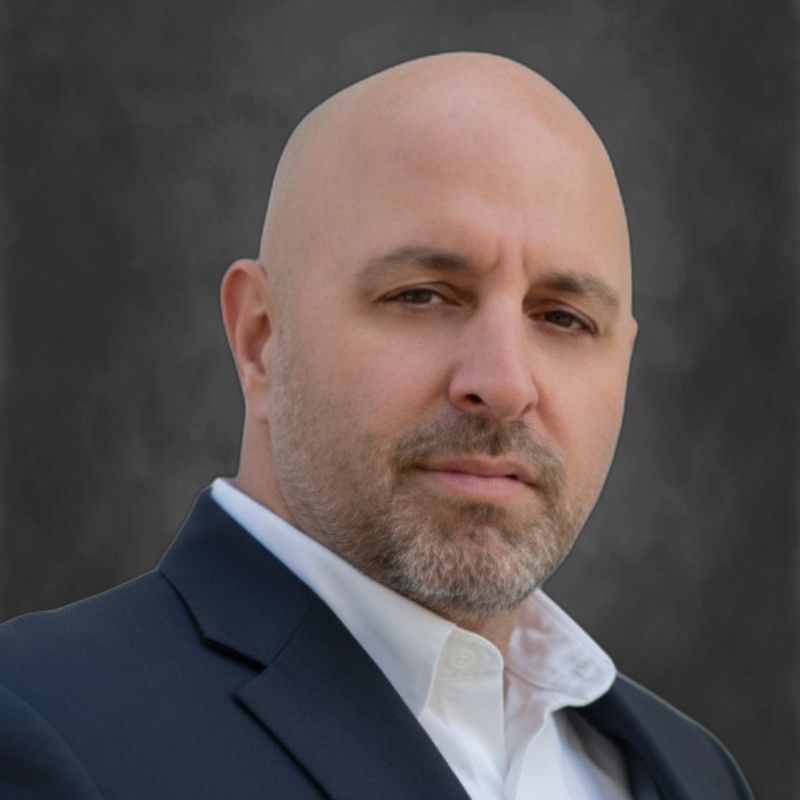
CEO/Co-Founder @ Oatmeal Health | AI Lung Cancer Screening | Almost Became a Doctor | Engineer | Follow to Share What I’ve Learned Along the Way
I help patients get the care they need earlier, preventing late-stage cancer.
That’s been the throughline across three companies and almost 20 years in healthcare. At ReferralMD, we fixed broken referral networks so patients didn’t fall through the cracks. At Oatmeal Health, it’s lung cancer: building the diagnostic and screening infrastructure so the 85% of cases caught too late get caught early instead.
Today as CEO of Oatmeal Health, I lead a team embedding AI into radiology workflows to turn routine lung CT scans into reimbursable cancer risk assessments. We partner with FQHCs to reach underserved communities, and with health systems and payers to make early detection economically sustainable. Think HeartFlow or Cleerly, but for lungs.
Between companies, I advised at Techstars and Plug and Play, mentoring founders building in digital health. That experience shaped how I think about what separates companies that ship from companies that stall: distribution, reimbursement, and clinical trust, not just technology.
I’m a CancerX alumnus, a 3x healthcare founder, and someone who believes the biggest problems in cancer aren’t scientific. They’re operational.
We’re hiring mission-driven builders at Oatmeal Health. If you want to work on something that matters, reach out.
When I’m not working, I’m traveling, mentoring, and keeping up with one very energetic husky. 🐾
Substack – The Oatmeal Bite:
Millions of patients get less care because of who they are, where they live, or how they look. I’m fighting to change that. CEO @OatmealHealth, a startup built for the underserved. The Oatmeal Bite: intel for clinicians, investors, and advocates.
Jonathan Govette
CEO of Oatmeal Health
Substack:
https://oatmealhealthjonathangovette.substack.com/