Share this article and save a life!
70% of cancer deaths come from cancers with no recommended screening test. 🧬
That number stopped me cold when I read it in USA Today this week.
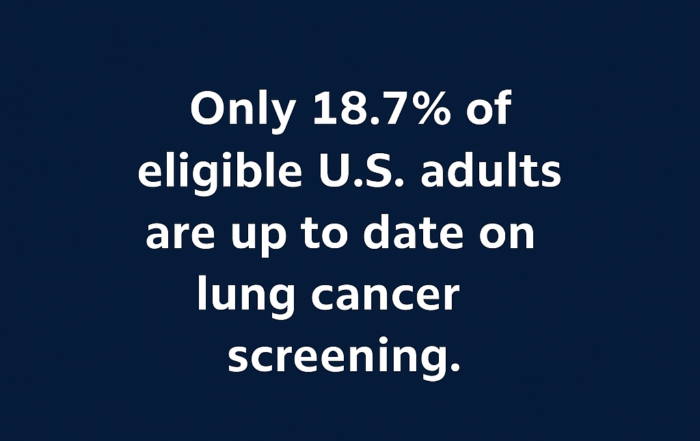
We talk a lot about improving lung cancer screening rates. About getting more people into the pipeline for the five cancers that already have established screening. And that work is urgent and necessary.
But 70% of cancer deaths are happening completely outside that pipeline.
This week, the FDA’s Molecular and Clinical Genetics Devices Panel voted in favor of GRAIL’s Galleri multi-cancer early detection blood test. The vote on whether benefits outweigh risks: 7 to 2, with one abstention. The safety vote was unanimous.
Here is what Galleri actually does:
🔹 It studies DNA fragments shed into the bloodstream, looking for tumor-specific markers
🔹 A single blood draw, with a prescription, at a cost of $949
🔹 In a study across 25,000 healthy adults over 50, it found cancer signals in 216 people, and 133 of them genuinely had cancer
🔹 It correctly predicted the cancer’s origin 92% of the time
🔹 The FDA’s final decision is expected in the coming months
That origin prediction matters. If the signal points to the pancreas, clinicians know exactly where to look next. That is not a small thing for a disease category that is historically caught far too late.
But here is the tension I sit with.
We already have screening tools that work. Low-dose CT for lung cancer. Colonoscopies for colorectal. Mammograms for breast. And we are still not getting them to the people who need them most. Screening rates in underserved communities remain unacceptably low for the cancers we already know how to find.
🔹 Adding a $949 blood test to the mix does not automatically close that gap.
🔹 Coverage is not guaranteed. Equity is not guaranteed.
🔹 The communities most likely to die from undetected cancer are the least likely to have a doctor who prescribes this test.
The Framework for What Happens Next:
1. FDA final approval decision, expected in coming months
2. Insurance and coverage negotiations across payers
3. Provider adoption and prescription behavior
4. Access and affordability in underserved populations
5. Integration with existing screening infrastructure
Save this if you work in screening policy, health equity, or oncology. Each of these steps is where the real fight happens.
A favorable FDA advisory panel vote is meaningful. It signals scientific credibility. But it does not move the needle on access by itself.
What changes outcomes is making sure this technology, and every other validated screening tool, reaches the people who have been historically shut out of early detection. That is the work. That is what keeps me building.
👉 Follow Jonathan Govette, CEO of Oatmeal Health, for daily healthcare insights on LinkedIn. Deeper dives in The Oatmeal Bite on Substack: https://news.oatmealhealth.com
Share this article and save a life!
Author:
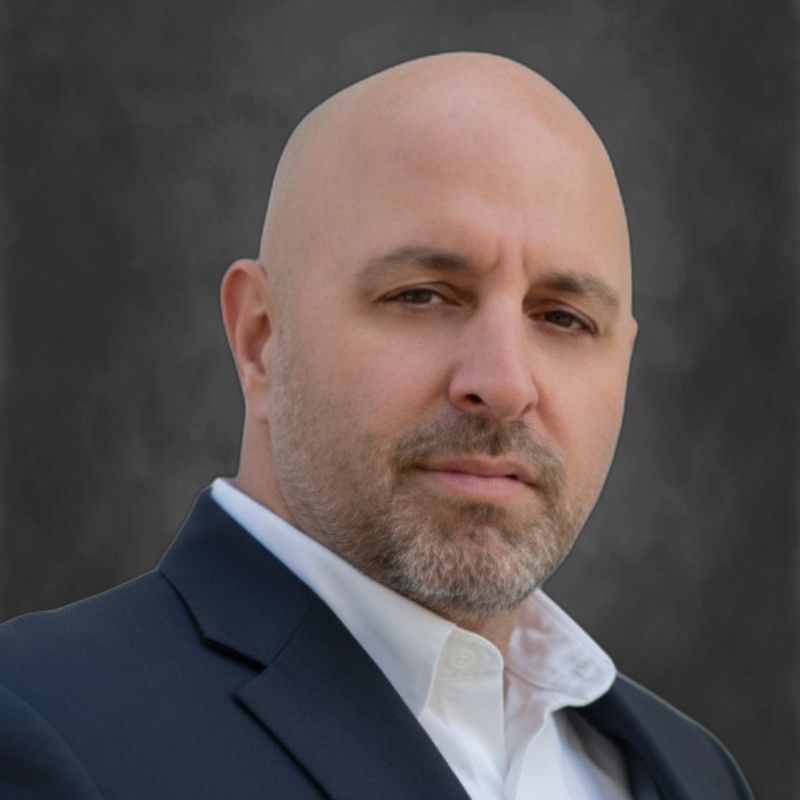
CEO/Co-Founder @ Oatmeal Health | AI Lung Cancer Screening | Almost Became a Doctor | Engineer | Follow to Share What I’ve Learned Along the Way
I help patients get the care they need earlier, preventing late-stage cancer.
That’s been the throughline across three companies and almost 20 years in healthcare. At ReferralMD, we fixed broken referral networks so patients didn’t fall through the cracks. At Oatmeal Health, it’s lung cancer: building the diagnostic and screening infrastructure so the 85% of cases caught too late get caught early instead.
Today as CEO of Oatmeal Health, I lead a team embedding AI into radiology workflows to turn routine lung CT scans into reimbursable cancer risk assessments. We partner with FQHCs to reach underserved communities, and with health systems and payers to make early detection economically sustainable. Think HeartFlow or Cleerly, but for lungs.
Between companies, I advised at Techstars and Plug and Play, mentoring founders building in digital health. That experience shaped how I think about what separates companies that ship from companies that stall: distribution, reimbursement, and clinical trust, not just technology.
I’m a CancerX alumnus, a 3x healthcare founder, and someone who believes the biggest problems in cancer aren’t scientific. They’re operational.
We’re hiring mission-driven builders at Oatmeal Health. If you want to work on something that matters, reach out.
When I’m not working, I’m traveling, mentoring, and keeping up with one very energetic husky. 🐾
Substack – The Oatmeal Bite:
Millions of patients get less care because of who they are, where they live, or how they look. I’m fighting to change that. CEO @OatmealHealth, a startup built for the underserved. The Oatmeal Bite: intel for clinicians, investors, and advocates.
Jonathan Govette
CEO of Oatmeal Health
Substack:
https://oatmealhealthjonathangovette.substack.com/