Share this article and save a life!
Everyone is talking about Medicaid cuts. The real FQHC crisis hits in December. 🚨
The Community Health Center Fund, the mandatory pool that supplies the bulk of Section 330 grant dollars, is authorized only through December 2026.
According to Pease Bell, that fund supplies roughly 70% of federal grant dollars to health centers. And right now, it is operating on an authorization measured in months, not years.
Let that sink in.
Here is what that looks like on the ground inside a community health center:
– Roughly 1,400 health centers operate more than 16,000 service sites nationwide
– About 90% of patients served live at or below 200% of the federal poverty level
– Medicaid is already the single largest revenue source, meaning eligibility policy decisions made in Washington land directly on the operating budget
– When Medicaid enrollment drops, uninsured volume rises, sliding-fee demand increases, and the same grant dollars have to stretch further
That is a margin-compression problem stacked on top of a funding-timing problem.
And it does not stop there.
💡 Behavioral health programs feel this the hardest. Those service lines already carry thin reimbursement and significant grant dependence. If the fund expires without a multi-year extension, the centers most likely to scale back are the ones doing the most complex, underfunded work.
Here is the operational reality most people outside the safety net do not see:
A short-term extension is not stability. When you cannot commit to a hiring decision, a facility lease, or a new service line because you do not know what your grant looks like in five months, you do not plan. You survive.
FQHC finance leaders: this is also now an audit issue. Per Pease Bell, auditors are pressing on whether near-term funding uncertainty raises going-concern questions in financial statements. The threshold for a federal single audit rose from $750,000 to $1,000,000 for audit periods beginning on or after October 1, 2024. If you have not connected your funding-cliff exposure to your SEFA reporting and your auditor’s planning conversations, now is the time. Save this post as a reminder to put that on the agenda before year-end.
What I keep coming back to is this.
The communities these centers serve have nowhere else to go. Ninety percent of their patients live at or below 200% of the federal poverty level. That is not a demographic footnote. That is the entire business case for the safety net.
A funding authorization measured in months is not a policy detail. It is a countdown clock. And right now, it is ticking.
👉 Follow Jonathan Govette, CEO of Oatmeal Health, for daily healthcare insights on LinkedIn. Deeper dives in The Oatmeal Bite on Substack: https://news.oatmealhealth.com
Share this article and save a life!
Author:
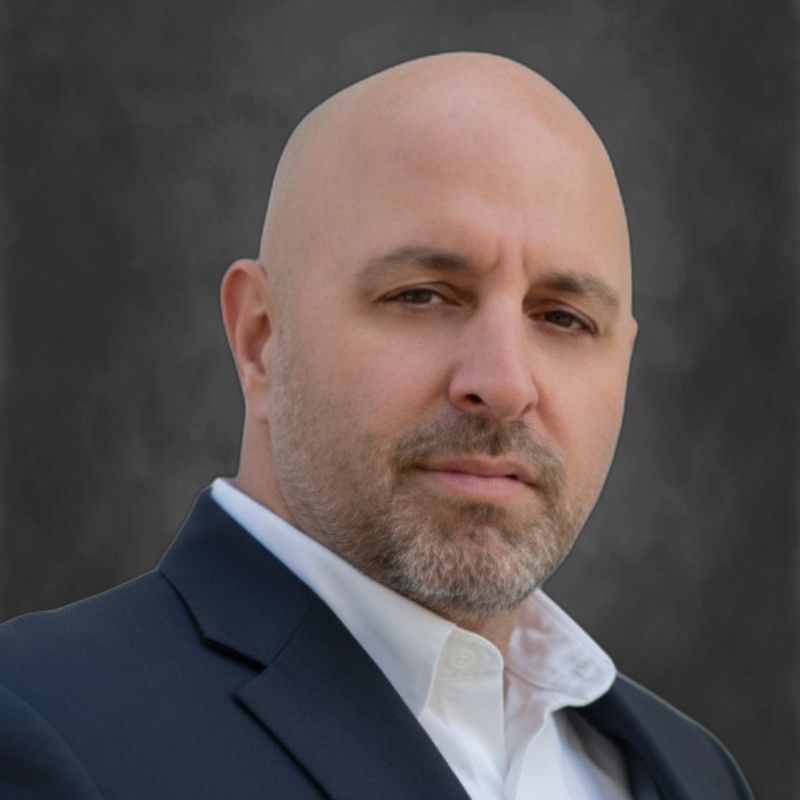
CEO/Co-Founder @ Oatmeal Health | AI Lung Cancer Screening | Almost Became a Doctor | Engineer | Follow to Share What I’ve Learned Along the Way
I help patients get the care they need earlier, preventing late-stage cancer.
That’s been the throughline across three companies and almost 20 years in healthcare. At ReferralMD, we fixed broken referral networks so patients didn’t fall through the cracks. At Oatmeal Health, it’s lung cancer: building the diagnostic and screening infrastructure so the 85% of cases caught too late get caught early instead.
Today as CEO of Oatmeal Health, I lead a team embedding AI into radiology workflows to turn routine lung CT scans into reimbursable cancer risk assessments. We partner with FQHCs to reach underserved communities, and with health systems and payers to make early detection economically sustainable. Think HeartFlow or Cleerly, but for lungs.
Between companies, I advised at Techstars and Plug and Play, mentoring founders building in digital health. That experience shaped how I think about what separates companies that ship from companies that stall: distribution, reimbursement, and clinical trust, not just technology.
I’m a CancerX alumnus, a 3x healthcare founder, and someone who believes the biggest problems in cancer aren’t scientific. They’re operational.
We’re hiring mission-driven builders at Oatmeal Health. If you want to work on something that matters, reach out.
When I’m not working, I’m traveling, mentoring, and keeping up with one very energetic husky. 🐾
Substack – The Oatmeal Bite:
Millions of patients get less care because of who they are, where they live, or how they look. I’m fighting to change that. CEO @OatmealHealth, a startup built for the underserved. The Oatmeal Bite: intel for clinicians, investors, and advocates.
Jonathan Govette
CEO of Oatmeal Health
Substack:
https://oatmealhealthjonathangovette.substack.com/