Share this article and save a life!
I keep thinking about how we are building AI on top of a security disaster.
Healthcare is the most attacked industry in America. Not finance. Not energy. Healthcare.
The HHS Office for Civil Rights breach portal logs more than 700 large healthcare data breaches every year, affecting tens of millions of patients. The numbers keep climbing.
And we are rushing to connect everything.
AI clinical tools. Remote monitoring platforms. Cloud-based EHRs. Interoperability mandates pushing data across more endpoints than ever. Every connection is also a door.
The Change Healthcare cyberattack in February 2024 was the single largest healthcare data breach in U.S. history. UnitedHealth Group’s subsidiary was offline for weeks. An estimated 190 million Americans had their data exposed. AMA surveys found 80% of physicians experienced revenue cycle disruptions.
The ransom? $22 million to the ALPHV/BlackCat ransomware group.
Three months later, the Ascension ransomware attack forced paper records across 140 hospitals in 19 states. Ambulances diverted. Medication orders delayed for weeks.
UnitedHealth CEO Andrew Witty testified before Congress that the Change Healthcare attack exploited a server missing multi-factor authentication. A basic security control. On a system processing one-third of all U.S. healthcare claims.
That is not a technology failure. That is a governance failure.
Here is what I actually believe: most health systems are building AI strategy before fixing their security foundation. They are adding sophistication on top of fragility.
FQHCs are especially exposed. Many operate with thin IT budgets, sometimes a single IT staffer covering 10 sites. HHS OCR fined Doctors’ Management Service $100,000 in 2023 for HIPAA violations following a ransomware attack that went undetected for years.
IBM’s 2024 Cost of a Data Breach Report put the average healthcare breach at $9.77 million per incident. The FBI’s Internet Crime Complaint Center has ranked healthcare as the top ransomware target for five consecutive years. Average downtime after an attack: 18 days.
We talk about AI adoption like it is the defining challenge in healthcare technology. I think security is the prerequisite nobody wants to fund.
You cannot build trustworthy AI diagnostics on infrastructure that gets breached repeatedly. The attack surface grows every time we add a new integration.
So here is the question I cannot stop asking: if a health system cannot enforce multi-factor authentication on its most critical systems, should it be deploying AI tools that process real-time patient data?
I do not think we are asking that loudly enough.
👉 Follow me for daily healthcare insights and updates on LinkedIn.
🔍For deeper analysis, subscribe to my Substack, where I share long-form articles, industry trends, and in-depth perspectives on healthcare, AI, diagnostics, and the future of care. → https://lnkd.in/eJKFuB_p
Share this article and save a life!
Author:
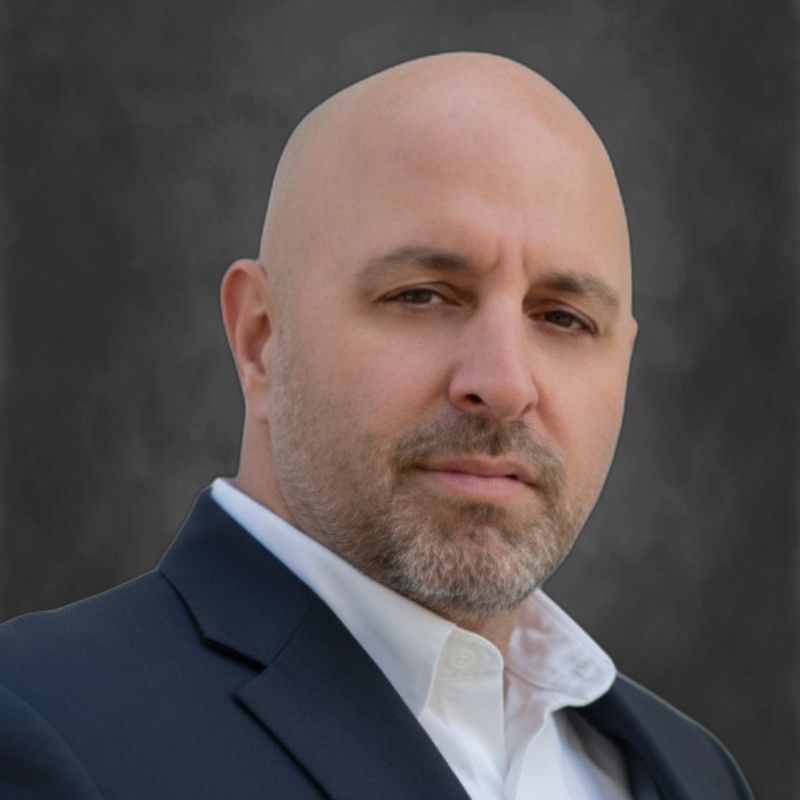
CEO/Co-Founder @ Oatmeal Health | AI Lung Cancer Screening | Almost Became a Doctor | Engineer | Follow to Share What I’ve Learned Along the Way
I help patients get the care they need earlier, preventing late-stage cancer.
That’s been the throughline across three companies and almost 20 years in healthcare. At ReferralMD, we fixed broken referral networks so patients didn’t fall through the cracks. At Oatmeal Health, it’s lung cancer: building the diagnostic and screening infrastructure so the 85% of cases caught too late get caught early instead.
Today as CEO of Oatmeal Health, I lead a team embedding AI into radiology workflows to turn routine lung CT scans into reimbursable cancer risk assessments. We partner with FQHCs to reach underserved communities, and with health systems and payers to make early detection economically sustainable. Think HeartFlow or Cleerly, but for lungs.
Between companies, I advised at Techstars and Plug and Play, mentoring founders building in digital health. That experience shaped how I think about what separates companies that ship from companies that stall: distribution, reimbursement, and clinical trust, not just technology.
I’m a CancerX alumnus, a 3x healthcare founder, and someone who believes the biggest problems in cancer aren’t scientific. They’re operational.
We’re hiring mission-driven builders at Oatmeal Health. If you want to work on something that matters, reach out.
When I’m not working, I’m traveling, mentoring, and keeping up with one very energetic husky. 🐾
Substack – The Oatmeal Bite:
Millions of patients get less care because of who they are, where they live, or how they look. I’m fighting to change that. CEO @OatmealHealth, a startup built for the underserved. The Oatmeal Bite: intel for clinicians, investors, and advocates.
Jonathan Govette
CEO of Oatmeal Health
Substack:
https://oatmealhealthjonathangovette.substack.com/