

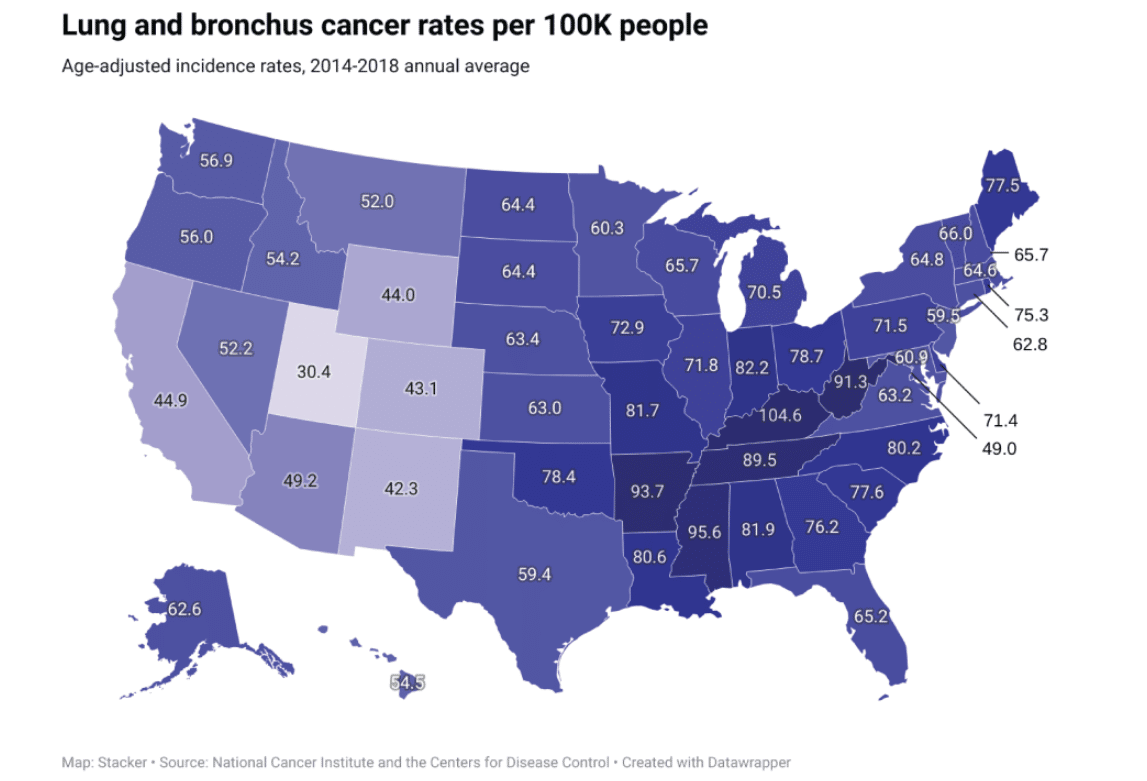
State-by-state prevalence of the 5 most common types of cancer
Cancer has destroyed so many lives around the world and it is only getting worse. My father's prostate cancer just came back a 2nd time and he is undergoing radiation treatment now for the next 8 weeks. For anyone that is dealing with this firsthand or has family members, it is one of the hardest things to go through, and sadly most of the worst effects of cancer can be mitigated if caught early enough. So why are people not getting screened 100 percent? That is a question for another day. What Cancers Are More Prevalent? Certain forms of cancer are more common than others, notably in late-stage development. Stacker analyzed cancer incidence data from the National Cancer Institute and CDC to look ...

The Sad Truth About the American Healthcare System and the Health of Our Patients
I decided that after interviewing hundreds of health systems and health professionals over the last decade I needed to say something again about the "health" of our healthcare system. While it is not my intent in publishing this article to call out specific companies in this article, I will provide a few examples of why some things are not doing so well. One of my earliest articles about this topic was in 2013 when I wrote "11 reasons why our healthcare system is so messed up", detailing some pretty damning statistics that have not gotten better in the last 10 years. There is a multitude of reasons why the system is broken and I will go over a few here ...

25 Shocking Statistics That Keep Healthcare Executives Up at Night
History has shown that while healthcare is more open to adopting technology to improve outcomes, bureaucracy, ego, money, or indifference to change still tend to get in the way. Technology is not our only problem unfortunately, healthcare has so many more. In this article, I put together some statistics that show we still have a long way to go to make healthcare more accessible to everyone. Here are the 25 shocking statistics that keep healthcare executives up at night. 1. Medicare reimbursements declined by 9% The Medicare Payment Advisory Commission found that hospitals experienced a -8.5% margin on Medicare services in 2020, and it projects that margin will fall to -9% in 2022. Combined underpayments from Medicare and ...

The Battle Between Primary Care and Time: The Doctors are Losing
The classic battle between time and the best interest of the patient is real in primary care. The average primary care doctor has between 1200 to 1900 patients, with Kaiser Permanente reporting a mean per-physical panel size of 1751. This most likely is not accurate nowadays, with some reports saying 2500 to 4000 is the new norm, as stated brilliantly by a LinkedIn comment by Sharon Ng M.D. I asked my followers to share their thoughts on how they can make the healthcare system better, and they posted some great comments on this Linkedin Thread - 70 comments and counting. What Does This Mean? Primary care physicians often have limited time to provide comprehensive care to patients, with a ...

Strategic Investments In Telehealth And Digital Tools For Health Centers – Maintaining Your Competitive Advantage Beyond The Pandemic
This short guide describes FQHC telehealth utilization and barriers to adoption pre and during the COVID19 pandemic. The document outlines reasons for maintaining or increasing adoption relative to improving health equity through technology access and moving to value-based care. A checklist is provided to guide technology investment and decision-making. A list of digital health tools, the level of investment required, and their intended use is provided. Download Full PDF

$3.7 Trillion Reasons to Centralize Chronic Disease Management
59% of all Americans (194 million) suffer from at least one chronic disease, and almost one in three adults has three or more chronic conditions. Unfortunately, the problem will only get worse with time. On the business front of chronic disease management, health care systems are already struggling with rising costs and uneven quality despite the hard work of well-intentioned, well-trained clinicians. Health care leaders and policymakers have tried countless incremental fixes—attacking fraud, reducing errors, enforcing practice guidelines, making patients better “consumers,” implementing electronic medical records—but none have had much impact in lowering the $3.7 Trillion Chronic Disease problem that now kills over 1.7 million people every year. The current problem in review Take, for example, care for ...
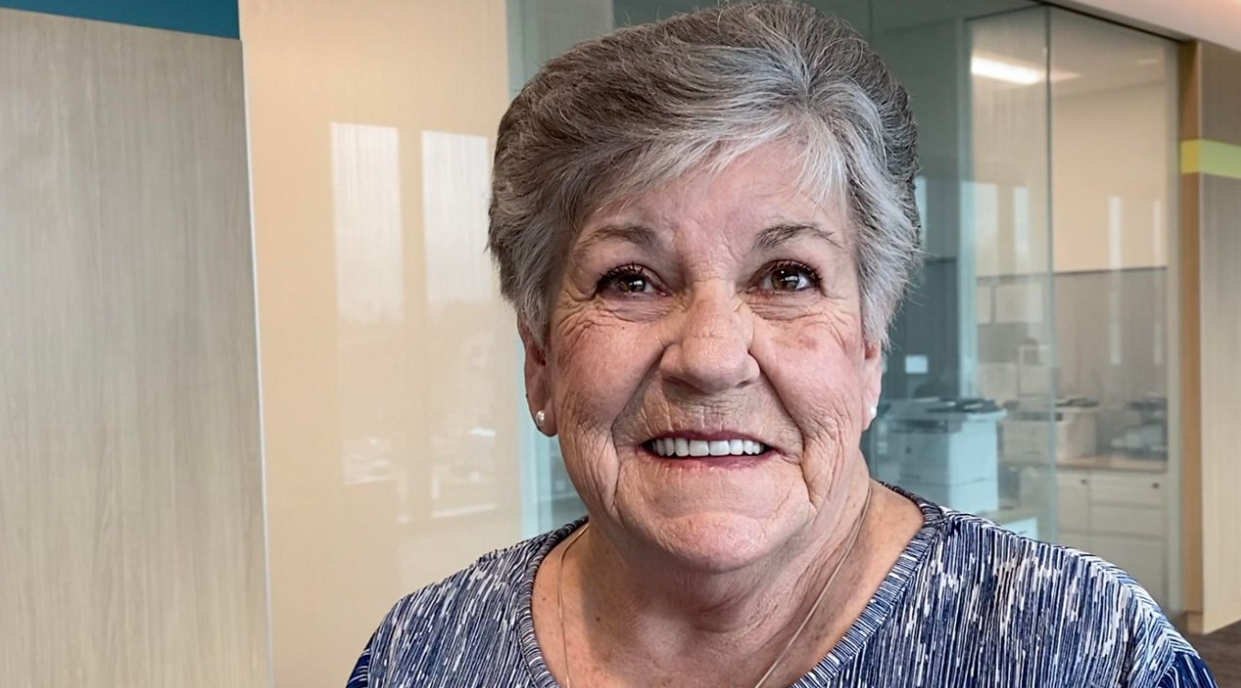
Patient explains how hospital’s push to screen for lung cancer gave her a ‘second chance’
Compared to other states, Kentucky ranks at or near the top of every list when it comes to lung cancer diagnoses and deaths. Fortunately, the state is also near the top of the list in early testing for lung cancer. One Kentucky woman shared the story of how an early test saved her life. At 72-years-old, Glenna Courtney is looking at things differently after her lung cancer screening. “I have a second chance at life. Which I would not have had if it hadn’t been for the lung screening,” she said. A year ago, Courtney wasn’t so sure where things were heading, but on a Thursday in late March 2022, she was back at the St. Elizabeth Cancer Center in ...
How do you know if you have lung cancer?
Every lung cancer story is different, and some of the common symptoms are shared with other health conditions. If you are in a high-risk group and screening is recommended for you, take advantage of that opportunity now. And no matter your history, if you have a persistent symptom that is worrying you, tell your health care provider. Remember, anyone with lungs can get lung cancer. If you need further resources, LCRF offers free educational materials. You can also call our toll-free support line at (844) 835-4325 or email support@LCRF.org. “I had a cough…” Lea shared, “In the summer of 2018, my husband and I went on vacation, and when we returned I noticed I developed a terrible cough. It wouldn’t stop for three weeks straight, and I even noticed ...