
Illinois $50M CHC Investment Amid Federal Cuts
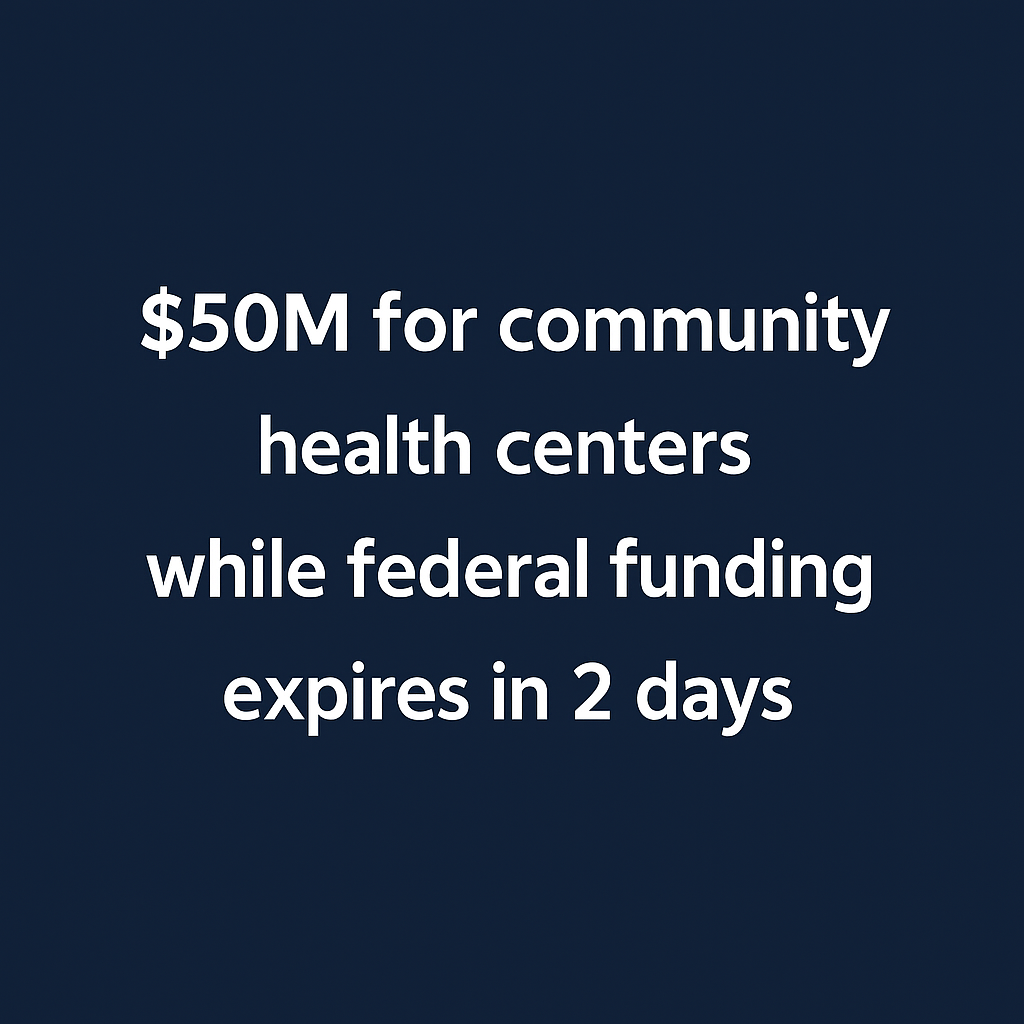
While Congress debates, Illinois just wrote a $50M check for community health. Yesterday, Governor Pritzker announced $50 million in Rebuild Illinois grants for community health centers and FQHCs. Up to $3 million per provider for construction and renovation. The timing? Not coincidental. Federal CHC funding expires in 2 days (January 30). Congress still hasn't acted. 34 million Americans rely on these centers for primary care. Here's what makes this move brilliant: Illinois isn't waiting for Washington. They're protecting their safety net NOW. The math is compelling: Every $1 invested in CHCs saves $13 in downstream healthcare costs. Emergency room visits drop. Preventable hospitalizations decrease. Communities thrive. But here's the real story: States are becoming the new healthcare innovators. While federal ...
FQHC Funding Cliff Crisis
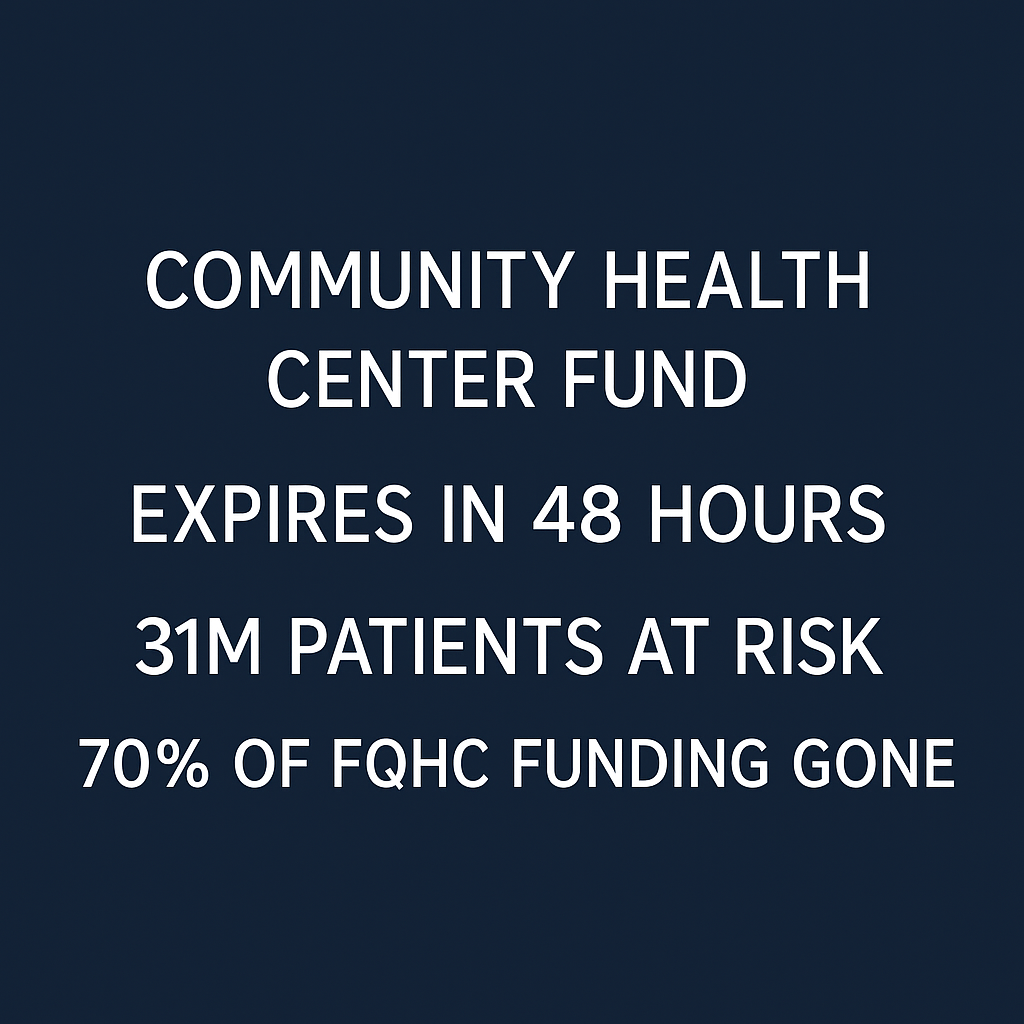
In 48 hours, 31 million Americans might lose their doctor. The Community Health Center Fund expires January 30, 2026. This isn't just another funding deadline. It's a healthcare catastrophe in slow motion. 💔 Here's what's at stake: The CHCF provides 70% of federal funding for Federally Qualified Health Centers. These aren't luxury clinics. They're the lifeline for underserved communities, operating 17,000+ sites nationwide. 42% of health centers have less than 90 days of cash reserves. Think about that. Nearly half our safety net providers are one funding gap away from closing their doors. Who gets hurt when FQHCs fail? • The single mom working two jobs who can only see a doctor on weekends • The elderly patient managing diabetes ...
AI Cancer Detection Revolution
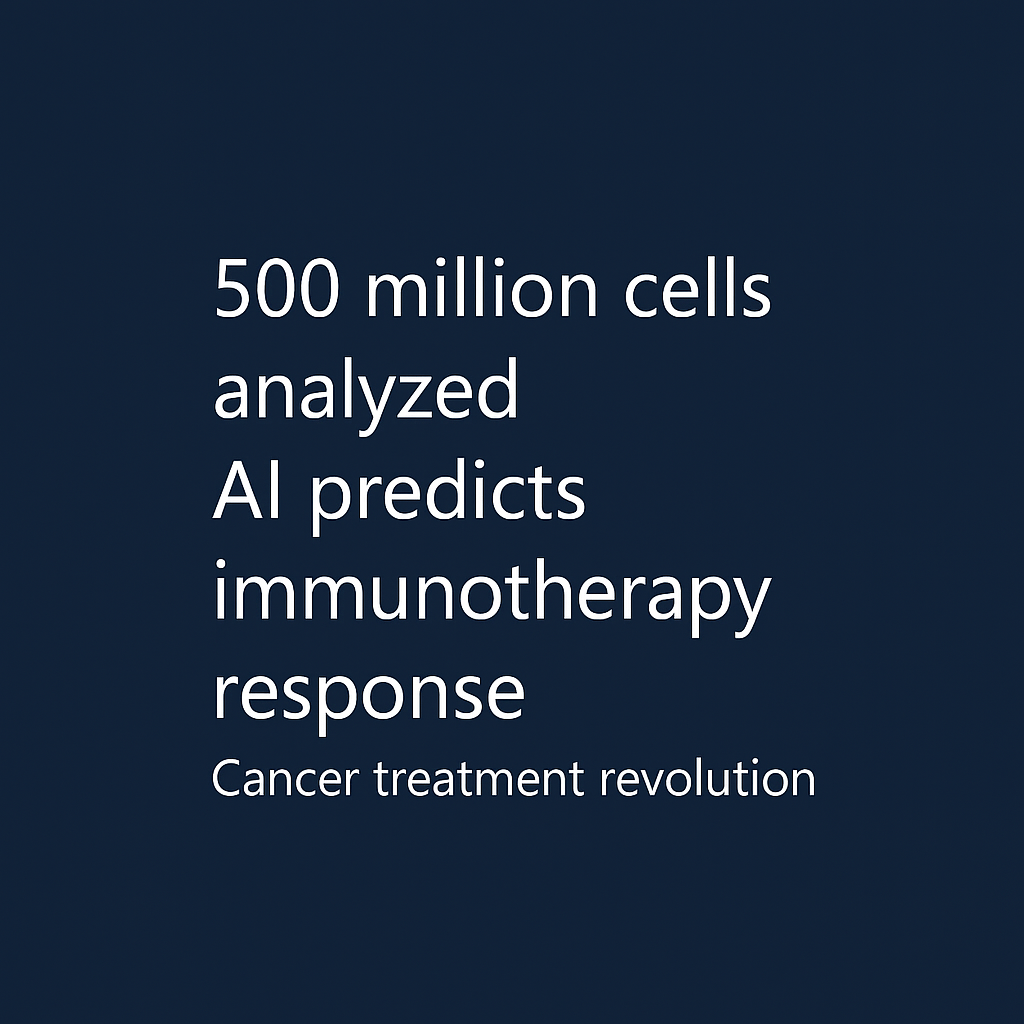
500 million cells. One AI. The future of cancer care just shifted. The Cancer Research Institute just dropped something massive. They're partnering with 10x Genomics to analyze 20,000 cancer samples using AI, creating the most comprehensive map of immune responses to cancer we've ever seen. Think about that scale: starting with 3,000 samples in the pilot, then expanding to capture data from 500 million individual cells. Each one telling us something about how the immune system fights, or fails to fight, cancer. Here's what makes this revolutionary: They're using single-cell and spatial data analysis, meaning they can see not just which immune cells are present, but exactly where they are in the tumor microenvironment. Location matters in cancer as much ...
340B Rebate Model Crisis for FQHCs
FQHCs are about to face a 340B cash flow nightmare. HRSA's new 340B rebate pilot just flipped the script on how community health centers buy medications, and the timing couldn't be worse. Starting January 1, select FQHCs must now pay full Wholesale Acquisition Cost upfront for nine critical drugs, including insulin NovoLog and arthritis drug Stelara. Then wait 55+ days for rebates. Think about that math for a moment. An FQHC serving 5,000 diabetic patients could be floating $500,000+ in drug costs every month. For health centers already operating on 2% margins, this is devastating. The operational burden is equally crushing: • Submit 11 data fields per claim through a new Beacon system • Track every prescription from purchase to ...
Radiology AI Detects 14 Conditions at Once
One AI just replaced 14 radiology tools. Game changer or hype? Yesterday changed radiology forever. The FDA cleared Aidoc's CARE foundation model, the first AI to detect 14 acute conditions from a single abdominal CT scan. Think about what this means: Instead of running separate AI tools for appendicitis, bowel obstruction, liver injury, spleen trauma, and 10 other conditions, radiologists now have ONE system that catches everything. 📊 The numbers are staggering: • 97% sensitivity (up to 98.5%) • 98% specificity (up to 99.7%) • 10x fewer false alerts than single-condition tools • 100 million patient cases already analyzed But here's what really matters: Emergency departments are drowning. Imaging backlogs are killing patient flow. Radiologists are reading scans on a ...
Kaiser AI Scribe Rollout Changes Healthcare Forever
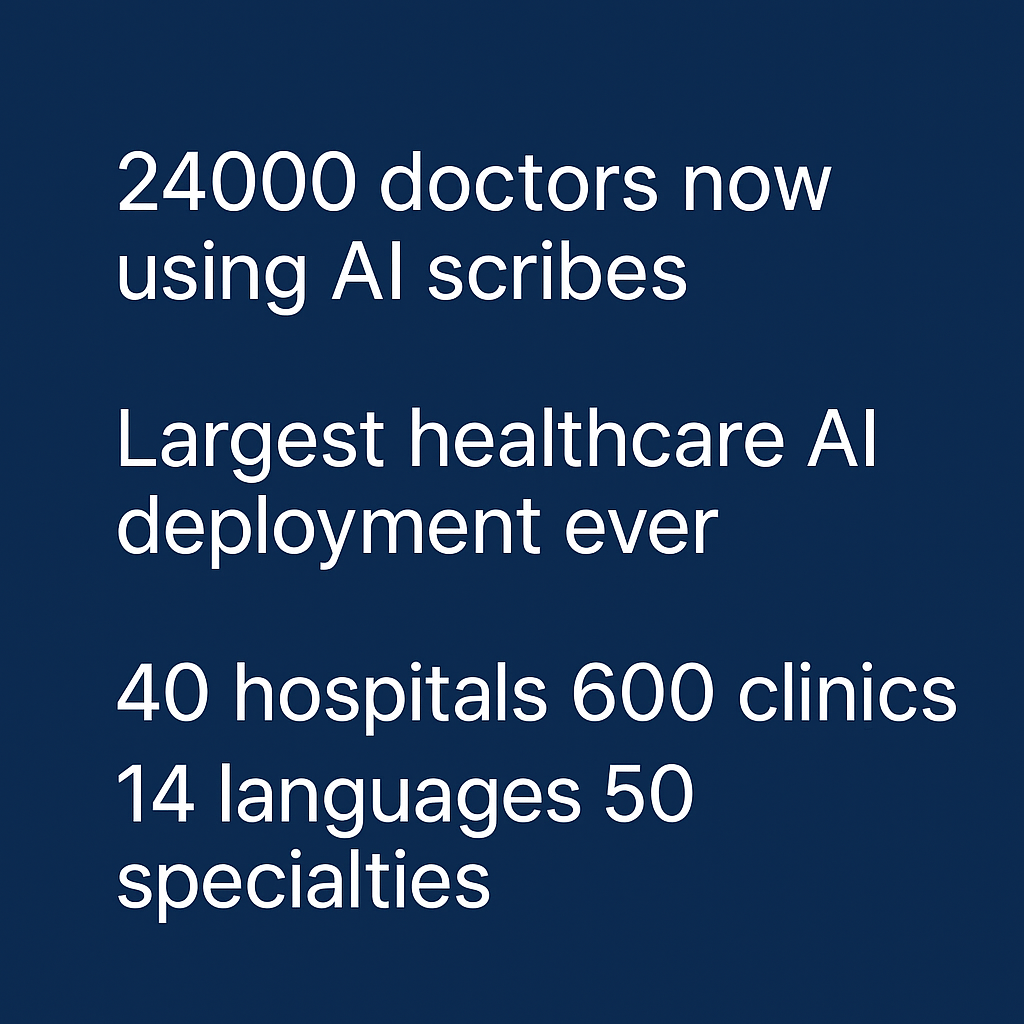
24,000 doctors just got AI assistants. This changes everything. Kaiser Permanente just pulled off something that seemed impossible two years ago. They deployed Abridge's AI documentation system across 40 hospitals and 600+ medical offices. Not a pilot. Not a test. Full production across their entire system. This is healthcare's iPhone moment. 📱 Think about what just happened here: • 24,000 physicians now have AI capturing every patient conversation • Real-time note generation in 14+ languages • Support across 50+ specialties • Seamless EHR integration But here's what really matters: Physicians are getting back over an hour of their day. That's an hour not spent on documentation. An hour returned to patient care. An hour reclaimed from burnout. The implications are ...
AI Sees Cancer Margins in Real Time
20% of breast cancer patients need a second surgery. AI just fixed that. Intermountain Health just deployed something remarkable across their entire system: AI-powered imaging that lets surgeons see cancer margins in real time, right there in the OR. Think about what this means. No more waiting days for pathology results to know if you got it all. No more telling 1 in 5 patients they need to come back for another surgery. No more wondering if that edge looks suspicious. The technology uses optical coherence tomography (OCT) to create cellular-level images of tissue margins instantly. Surgeons can literally see if cancer cells extend to the edge of what they've removed, while the patient is still on the table. Here's ...
Kaiser’s 24,000 Doctor AI Revolution
Kaiser Permanente just pulled off something remarkable. They deployed AI scribes to 24,000 physicians across 40 hospitals and 600+ medical offices. In one move. This isn't another pilot. This is the largest ambient AI documentation rollout in healthcare history. Think about that scale for a second: • More doctors than the entire physician workforce of Virginia • Covers 14+ languages • Works across 50+ specialties • Real-time clinical note generation integrated directly into the EHR Why this matters more than you think: The average physician spends 16 minutes on documentation for every patient visit. That's 2 hours of typing for every 1 hour with patients. For Kaiser's 24,000 doctors, that's 48,000 hours of documentation daily. Now imagine reclaiming even half ...