Share this article and save a life!
The radiology workforce story everyone is telling is the wrong one. 🩻
The dominant narrative is simple: we have a shortage, so we need more radiologists. Hire more, read more, fix it.
But a new Medscape survey published August 14, 2026 tells a different story. According to xAID, 42% of the roughly 177 millennial radiologists surveyed said their compensation was flat (33%) or had actually fallen (9%) over the past year. Fifty-eight percent saw an increase.
In a specialty supposedly starved for talent, nearly half of the youngest cohort is going nowhere on pay.
Hiring does not fix that. And here is why.
📌 Introducing the 4-Force Radiology Revenue Squeeze
This is the framework I use to explain why per-study economics in radiology are contested on four fronts at once, even as imaging volume climbs.
Force 1: The Conversion Factor Cut
The 2027 Medicare Physician Fee Schedule proposed a conversion-factor cut of 1.68%. CMS projects a net +2% impact for radiology overall from other RVU changes. But the per-code value is still cut. Aggregate may rise while individual code value falls.
Force 2: Site-Neutral Imaging Payments
The 2027 OPPS proposal would pay grandfathered off-campus hospital imaging without contrast at about 40% of the current hospital rate. According to xAID, that translates to a roughly $260M first-year cut to hospital-based imaging revenue.
Force 3: The Out-of-Network Benchmark Collapse
An appeals court vacated the formula insurers use to set the out-of-network payment benchmark under the No Surprises Act. Out-of-network leverage is now unsettled pending a fix. This affects every group that relies on that benchmark.
Force 4: The Moonlighting Floor Is Gone
The Medscape report found about 4 in 10 millennial physicians across specialties carry at least one additional job. But the survey quotes physician workforce commentator Dr. Ted Epperly directly: younger physicians are “not into burning the candle from both ends” and are “definitely very conscious of work-life balance.” The moonlighting safety valve that used to absorb compressed per-study pay is not the reflex it once was.
🔑 The Core Insight
These four forces do not move in lockstep. None of them, alone, explains the survey data. But together they describe a market where the dollar value of an individual read is under pressure from multiple directions simultaneously.
Adding more radiologists changes headcount cost, not the reimbursement attached to each study. If the conversion factor is falling and a hospital-based scan is about to be paid at a lower rate, spreading that same revenue pool across more people does not make the math better.
Worth saving if you are modeling radiology department economics or evaluating staffing decisions heading into 2027 budget season.
👉 Follow Jonathan Govette, CEO of Oatmeal Health, for daily healthcare insights on LinkedIn. Deeper dives in The Oatmeal Bite on Substack: https://news.oatmealhealth.com
Share this article and save a life!
Author:
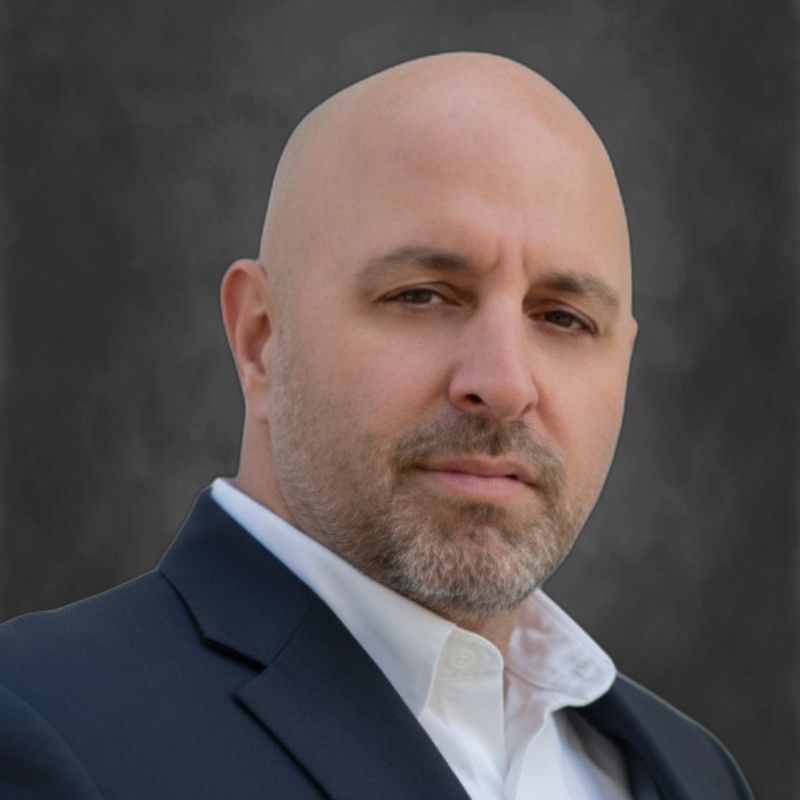
CEO/Co-Founder @ Oatmeal Health | AI Lung Cancer Screening | Almost Became a Doctor | Engineer | Follow to Share What I’ve Learned Along the Way
I help patients get the care they need earlier, preventing late-stage cancer.
That’s been the throughline across three companies and almost 20 years in healthcare. At ReferralMD, we fixed broken referral networks so patients didn’t fall through the cracks. At Oatmeal Health, it’s lung cancer: building the diagnostic and screening infrastructure so the 85% of cases caught too late get caught early instead.
Today as CEO of Oatmeal Health, I lead a team embedding AI into radiology workflows to turn routine lung CT scans into reimbursable cancer risk assessments. We partner with FQHCs to reach underserved communities, and with health systems and payers to make early detection economically sustainable. Think HeartFlow or Cleerly, but for lungs.
Between companies, I advised at Techstars and Plug and Play, mentoring founders building in digital health. That experience shaped how I think about what separates companies that ship from companies that stall: distribution, reimbursement, and clinical trust, not just technology.
I’m a CancerX alumnus, a 3x healthcare founder, and someone who believes the biggest problems in cancer aren’t scientific. They’re operational.
We’re hiring mission-driven builders at Oatmeal Health. If you want to work on something that matters, reach out.
When I’m not working, I’m traveling, mentoring, and keeping up with one very energetic husky. 🐾
Substack – The Oatmeal Bite:
Millions of patients get less care because of who they are, where they live, or how they look. I’m fighting to change that. CEO @OatmealHealth, a startup built for the underserved. The Oatmeal Bite: intel for clinicians, investors, and advocates.
Jonathan Govette
CEO of Oatmeal Health
Substack:
https://oatmealhealthjonathangovette.substack.com/